How to Propagate Furrowed melilot?
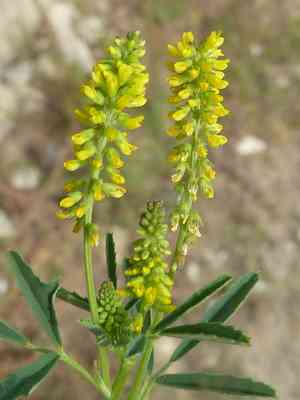
Furrowed melilot generally reproduces via seeding. To achieve robust development, it's crucial to plant the seeds in soil that drains effectively, guaranteeing they get sufficient sunlight. A thin layer of soil over the seeds can facilitate ideal sprouting. Consistent irrigation is necessary, yet refrain from waterlogging the substrate. This equilibrium fosters sound root and stem growth.
Optimal Time for Furrowed Melilot Propagation?
Propagation Method
Seeding
Propagation Period
Spring
Essential Tools for Furrowed Melilot Propagation?
Seed Trays
Seed trays are perfect for initiating furrowed melilot seeds in a controlled setting. Their shallow compartments facilitate easy planting and efficient use of space, simplifying the management of numerous plants simultaneously. They also aid in maintaining moisture around the seeds, which is vital for furrowed melilot germination.
Quality Potting Mix
A well-draining, nutrient-rich potting mix offers the ideal soil structure for furrowed melilot seed germination. It promotes robust root development and guarantees seedlings access to necessary nutrients during their critical early growth phases.
Labels and Markers
Labels and markers are crucial for tracking furrowed melilot's growth stages and varieties if multiple species are propagated concurrently. Accurate labeling assists in careful monitoring and treatment of each plant, fostering successful growth and development.
Watering Can with a Fine Rose
This tool enables gentle watering of furrowed melilot seeds, ensuring even water distribution without dislodging or harming the tiny seeds. The fine rose attachment mimics light rainfall, providing moisture in the most suitable manner for sensitive furrowed melilot seeds.
Grow Lights (For Indoor Propagation)
Grow lights are advantageous if furrowed melilot is propagated indoors or in suboptimal light conditions. They supply the necessary light spectrum for seed germination and young plant growth, ensuring furrowed melilot's development is not hampered by insufficient natural sunlight.
How to Propagate Furrowed Melilot?
Propagation Difficulty
Simple
How to Nurture Your Newly Propagated Furrowed Melilot?
How to Nurture Your Newly Propagated Furrowed Melilot?
Ensure furrowed melilot receives ample sunlight for optimal development. Water the plant consistently, allowing the soil to dry slightly between watering sessions. Monitor for pests and diseases, applying organic treatments if needed. Fertilize with a balanced, low-nitrogen fertilizer if the soil lacks nutrients. Periodically trim dead or damaged stems to encourage new growth and maintain the plant's overall health.
Common Errors to Avoid When Propagating Furrowed Melilot
Overwatering
Excessive watering can cause root rot in furrowed melilot, as their roots require well-drained soil to prevent waterlogging. Too much moisture around the roots hinders proper air circulation, ultimately compromising the plant's health and increasing disease susceptibility.
Deep planting of seeds
Planting furrowed melilot seeds too deeply can impede successful germination. Furrowed melilot seeds need adequate light and shallow placement for effective sprouting; placing them too deep might prevent their emergence.
Ignoring soil quality
Using poor or unsuitable soil types can hinder furrowed melilot's growth. This plant thrives in specific soil conditions, and neglecting soil quality can limit nutrient availability, impacting overall plant vigor and propagation success.
Tips For Propagating Furrowed Melilot
Soil preparation
Prepare the soil with good drainage and moderate fertility. Furrowed melilot benefits from soil that doesn't retain excessive moisture yet holds enough nutrients to support growth.
Seed scattering technique
Scatter furrowed melilot seeds lightly. A surface sowing method works best as the seeds require light for optimal germination. Ensuring seeds are not buried under the soil will maximize germination rates.
Regular monitoring
Regularly check furrowed melilot for signs of moisture levels and pest activity. Keeping an eye on these factors helps in promptly adjusting care to support healthy growth and successful propagation.



