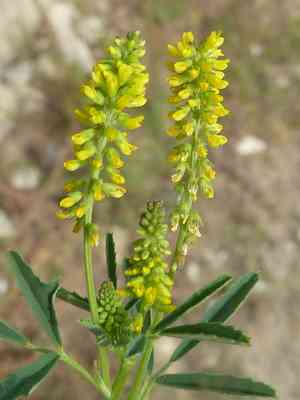
Furrowed melilot (Melilotus sulcatus)
Also known as: Cornfield melilot
Furrowed melilot, scientifically known as *Melilotus officinalis*, gets its name from the Greek word "meli" (honey) due to its sweet fragrance and "melilot," linking it to the plant family. This biennial herb thrives in various environments, including dry fields and roadsides. It is characterized by its trifoliate leaves, small yellow flowers, and its beneficial nitrogen-fixing properties, which enhance soil fertility.
In This Article
Attributes of Furrowed melilot
Lifespan
Annual
Plant Type
Herb
Plant Height
10 cm to 40 cm
Spread
N/A
Leaf Color
Green
Flower Size
3 mm to 5 mm
Flower Color
Yellow
Images of Furrowed melilot
Quickly Identify Furrowed melilot
1
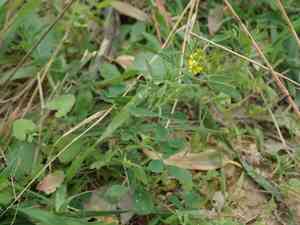
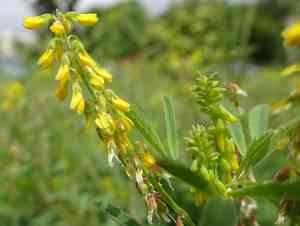
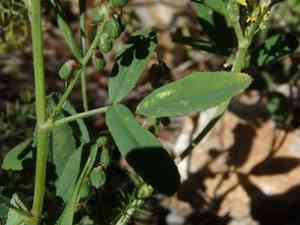
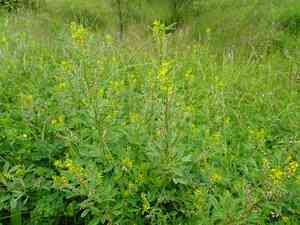
Melilotus sulcatus can be identified by its grooved stems, trifoliate leaves, and small yellow flowers that are arranged in elongated clusters. The grooves on the stems are a distinguishing characteristic compared to other species in the Melilotus genus.
Scientific Classification of Furrowed melilot
Phylum
Vascular plants
Class
Dicotyledons
Order
Fabales
Family
Legume
Genus
Melilots
Species
Furrowed melilot
Planting and Growing of Furrowed melilot
Care Difficulty
Easy
Watering Schedule
Every 2 days
Sunlight Requirements
Full sun
Sunshine Duration
4-8 hours
Ideal Temperature
60-75℉
Soil Type
Potting Mix, Peat Mix
Soil pH
6.5-7.5
Fertilizer Type
Balanced
Pruning Season
Spring, Summer
Pruning Area
Branches, Leaves
Pruning Frequency
2 times a year
Repotting Season
Spring
Pot Type
Plastic, Ceramic
 How to Water Furrowed melilot?
Melilotus sulcatus, with its deep root system, requires consistent moisture but not to the point of saturation. Aim to provide about 250 ml of water per session, ensuring you thoroughly soak the root zone while avoiding waterlogging. The topsoil should be kept moist, especially during growth spurts, but allow it to dry slightly between waterings.
What are the symptoms of an underwatered Furrowed melilot?
›
What should I do if my Furrowed melilot is not getting enough water?
›
What are the symptoms of an overwatered Furrowed melilot?
›
How to save an overwatered Furrowed melilot?
›
 What Are the Sunlight Requirements for Furrowed melilot?
Melilotus sulcatus prefers full sun, meaning it prospers with about 6 to 8 hours of direct light. This allows for optimal photosynthesis and robust growth.
Ideal Condition Question 1
›
Ideal Condition Question 2
›
Ideal Condition Question 3
›
 What Is the Ideal Temperature Range for Furrowed melilot?
What is the ideal temperature range for cultivating Melilotus sulcatus? The ideal temperature range for this plant is between 60°F and 75°F. This range ensures optimal growth conditions, promoting healthy development and flowering. At these temperatures, the plant can carry out vital physiological processes without stress, leading to vigorous growth and reproduction.
 What Soil is Best for Furrowed melilot?
Melilotus sulcatus thrives in well-drained soil as it prevents waterlogging, which can lead to root rot. Ensuring proper drainage helps the plant access necessary oxygen and nutrients, promoting healthy growth. This plant prefers moderately fertile soil, rich in organic matter. Such soil provides essential nutrients for strong stem and leaf development, enhancing overall plant vigor and resilience. A soil pH ranging from 6.5 to 7.5 is ideal. This range supports optimal nutrient availability and uptake, facilitating vigorous growth and flowering.
 How to Fertilize Furrowed melilot?
For Melilotus sulcatus, the fertilization amount should be carefully balanced to promote healthy growth without over-fertilizing. Generally, apply a liquid fertilizer diluted to half the recommended strength every two weeks during the growing season. For slow-release fertilizers, apply approximately 1/4 cup per plant base annually. Be cautious not to exceed these amounts to avoid the risk of burning the roots.
 How to Prune Furrowed melilot?
Use sharp pruning shears to make clean cuts, preventing tissue damage and reducing the risk of disease. A pair of gardening gloves will protect your hands from accidental injuries during the pruning process. Begin by removing any dead or diseased stems. Cut back overgrown branches to shape the plant and encourage new growth. Aim for a balanced form by trimming selectively, especially in crowded areas to allow sunlight penetration.
More About Pruning Techniques→
 How to Propagate Furrowed melilot plant?
1
Fill the seed trays with a well-draining potting mix, leaving about half an inch from the top. Moisten the soil before sowing the seeds to promote better seed-to-soil contact and even germination.
2
Scatter the Melilotus sulcatus seeds thinly over the moistened soil surface. Lightly press them into the soil without burying them too deeply, as they require light to germinate. Cover with a fine layer of soil or vermiculite.
3
Place the seeded trays in a bright, warm location, ideally between 68-75°F (20-24°C). Maintain consistent moisture by misting the surface, ensuring that the soil remains damp but not waterlogged until germination occurs.
 How to Repot Furrowed melilot plant?
1
Repotting of Melilotus sulcatus should be carried out when you notice roots poking out of the drainage holes or the growth seems stunted. These signals suggest that the plant has outgrown its current pot, indicating it's time for a new, larger home.
2
Select a pot that is 1-2 inches larger in diameter than the current one. A pot that's too large can lead to water retention issues, while a suitable size allows ample root growth without overwhelming the plant. Ensure it has sufficient drainage holes to prevent waterlogging.
3
Opt for a well-draining loamy soil mixture. This minimizes the risk of root rot by allowing excess water to escape while retaining enough moisture and nutrients. Such a soil profile supports healthy plant growth and mimics its natural habitat.
Toxicity
ingestion of moldy hay or forage
WARNING
The judgment on toxicity and danger is for reference only. We DO NOT GUARANTEE any accuracy of such judgment. Therefore, you SHALL NOT rely on such judgment. It is IMPORTANT TO SEEK PROFESSIONAL ADVICE in advance when necessary.



