How to Propagate Valley mayweed?
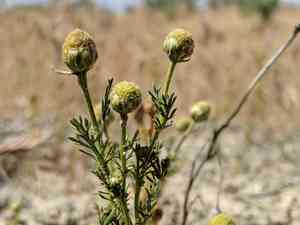
Valley mayweed is a resilient perennial thriving in damp environments. It propagates effectively via seeding, necessitating humid, adequately drained earth. Confirm that the seeds are thinly veiled and sustain steady dampness until sprouting. It is crucial to uphold proper distances to prevent excessive density. Employing new seeds boosts success rates, and a brightly illuminated setting fosters more robust development. Novices will discover it quite simple to cultivate, provided they attend to the soil and hydration.
Optimal Time for Valley Mayweed Propagation
Propagation Method
Seeding
Propagation Period
Spring
Tools for Valley Mayweed Propagation
Seed Trays
These are vital for starting valley mayweed from seed. Seed trays offer a controlled setting for initial germination and development. They simplify seedling management and boost germination rates by shielding seeds from external threats like pests and fluctuating weather.
Seed Starting Mix
This is essential for providing the correct nutrient balance and soil texture for valley mayweed seeds. A good seed starting mix is typically light and drains well, which is perfect for encouraging strong root growth and preventing issues such as damping-off.
Humidity Domes
Humidity domes cover seed trays to maintain consistent moisture, which is important for valley mayweed. This regulated environment helps prevent seeds from drying out, ensuring successful germination.
Seed Sowing Dibbers
Dibbers are instruments used to create planting holes for seeds. They ensure seeds are sown at the correct depth, which is crucial for the successful germination of valley mayweed.
Watering Can with Fine Rose
A watering can with a fine rose is crucial for gently watering valley mayweed seeds and seedlings. This prevents soil and seed disturbance, which can occur with more forceful watering methods.
Grow Lights
Grow lights are especially useful if propagating valley mayweed indoors or in areas with limited sunlight. They provide the necessary light spectrum to support photosynthesis and healthy growth.
Labeling Tags
Labeling tags are important for tracking different plantings, especially if you are propagating multiple species. Accurate labeling helps in monitoring valley mayweed's progress and ensuring proper care.
Heating Mat
A heating mat can be placed under seed trays to provide consistent bottom warmth, which encourages faster and more uniform germination of valley mayweed seeds, particularly in cooler climates.
Mini Greenhouse or Cold Frame
These structures offer a protected environment for seedlings as they strengthen before outdoor transplanting. They aid in gradually acclimating valley mayweed to outdoor conditions, reducing transplant shock.
How to Propagate Valley Mayweed?
Propagation Type
Simple
Caring for Your Newly Propagated Valley Mayweed
Caring for Your Newly Propagated Valley Mayweed
After germination, thin seedlings to prevent overcrowding and ensure ample growth space. Maintain consistent moisture but avoid overwatering, as valley mayweed prefers well-drained soil. Position seedlings in a sunny spot, and check for pests or diseases. Be sure to remove any competing weeds. As plants mature, occasional feeding with a balanced, all-purpose fertilizer can support healthy development and flowering.
Common Errors to Avoid When Propagating Valley Mayweed
Overwatering
Excessive moisture can lead to root rot, hindering valley mayweed's ability to establish healthy roots.
Poor Soil Drainage
Soil that retains too much moisture can suffocate roots, leading to stunted growth and eventual plant demise.
Incorrect Soil pH
Using soil that is too acidic or too alkaline can impede nutrient absorption, stunting valley mayweed's growth.
Insufficient Light
Not providing enough sunlight can result in weak, elongated plants that struggle to thrive.
Overcrowding
Planting valley mayweed too close together can restrict airflow and increase the risk of fungal diseases.
Tips For Propagating Valley Mayweed
Moderate Watering
Water valley mayweed sparingly, allowing the soil to dry out between waterings to prevent root rot.
Well-Draining Soil
Use soil with good drainage properties to ensure excess water does not accumulate around the roots.
Neutral to Slightly Alkaline pH
Ensure the soil pH is close to neutral, around 6.5-7.5, to optimize nutrient uptake.
Full Sun Exposure
Place valley mayweed in an area where it can receive at least 6-8 hours of direct sunlight daily for robust growth.
Proper Spacing
Space plants adequately to improve air circulation and reduce the likelihood of disease.



