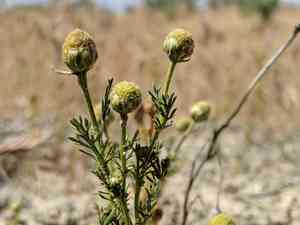
Valley mayweed (Matricaria occidentalis)
Also known as: Western Matricaria, Lamberts Matricaria
A suitable substitute for chamomile might exhibit the following traits:
1. **Stem Structure**: The stem may be either branching or have a corymb-like summit, reaching heights of 15 to 70 cm.
2. **Aroma**: The plant typically lacks a strong scent.
3. **Flower Heads**: The flower heads can reach up to 1.5 cm in diameter, often conical in shape and greenish-yellow in color.
4. **Fruit**: The achenes are distinctly angled.
These characteristics could indicate a plant that serves as an effective substitute for chamomile.
In This Article
Attributes of Valley mayweed
Lifespan
Annual
Plant Type
Herb
Plant Height
10-40 cm
Spread
Not typically measured due to plant\'s small size and herbaceous nature
Leaf Color
Green
Flower Size
1-2 cm
Flower Color
White and yellow
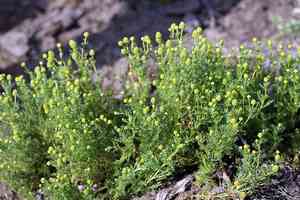
Images of Valley mayweed
Quickly Identify Valley mayweed
1
It can be identified by its small, white, daisy-like flowers which lack ray florets and its finely divided, fern-like leaves. The flowers usually measure around 1-2 centimeters in diameter.
Scientific Classification of Valley mayweed
Phylum
Vascular plants
Class
Dicotyledons
Order
Asterales
Family
Daisy
Genus
Mayweed
Species
Valley mayweed
Planting and Growing of Valley mayweed
Care Difficulty
Moderate
Watering Schedule
Every 3 days
Sunlight Requirements
Full sun
Sunshine Duration
6-10 hours
Ideal Temperature
60-75℉
Soil Type
Potting Mix, Peat Mix
Soil pH
6.5-7.5
Fertilizer Type
Balanced
Pruning Season
Spring, Summer
Pruning Area
Branches, Leaves
Pruning Frequency
2 times a year
Repotting Season
Spring
Pot Type
Plastic, Ceramic
 How to Water Valley mayweed?
When watering Matricaria occidentalis, aim to provide approximately 250ml of water per session. This ensures that the soil is moist but not overly saturated. The goal is to keep the soil consistently damp, allowing excess water to drain away.
What are the symptoms of an underwatered Valley mayweed?
›
What should I do if my Valley mayweed is not getting enough water?
›
What are the symptoms of an overwatered Valley mayweed?
›
How to save an overwatered Valley mayweed?
›
 What Are the Sunlight Requirements for Valley mayweed?
Matricaria occidentalis thrives best in an environment that offers full to partial sunlight. Ideal light boosts its vibrant growth and flowering potential, while aiding its natural ability to resist diseases and pests.
What is the best spot for Matricaria occidentalis?
›
How can you ensure ideal lighting for Matricaria occidentalis?
›
What benefits does Matricaria occidentalis gain from ideal light conditions?
›
 What Is the Ideal Temperature Range for Valley mayweed?
The ideal temperature range for Matricaria occidentalis is generally between 60°F and 75°F. This temperature range allows for optimal growth and development of the plant. Maintaining consistent temperatures within this range promotes healthy foliage and root formation.
 What Soil is Best for Valley mayweed?
Good drainage is crucial for Matricaria occidentalis as it prevents root rot and ensures healthy growth. The plant thrives in soils that allow excess water to escape quickly, which reduces the risk of waterlogging and promotes robust root development. The plant requires well-aerated soil to allow roots to access essential oxygen. This setup encourages vigorous root growth and ensures the plant's uptake of nutrients is efficient, leading to healthy and lush foliage. Matricaria occidentalis benefits from soils with moderate nutrient content. While it doesn't demand particularly rich soil, the presence of basic nutrients supports its growth, leading to lush leaves and vibrant blooms.
 How to Fertilize Valley mayweed?
Matricaria occidentalis benefits from light, well-balanced fertilization. Apply liquid fertilizer diluted at half strength to avoid over-fertilization. Too much can lead to nutrient burn, so moderation is key.
 How to Prune Valley mayweed?
Begin by removing any dead or diseased stems close to the base. Next, eliminate crowded branches to improve airflow and light penetration. Finally, trim back any wayward or excessively long shoots to preserve the plant's shape. Prune in early spring to allow the plant time to recover and produce new growth before the growing season. A light summer trim can also be done to tidy up the plant and encourage additional blooms.
 How to Propagate Valley mayweed plant?
1
Begin by preparing a well-draining soil mix to provide optimal conditions for seed or division growth. A sandy loam mix with organic matter works well.
2
When using division propagation, ensure you select healthy sections of the plant with robust roots and foliage to increase chances of successful growth.
3
Plant the seeds or divided sections at the proper depth. After planting, gently water to maintain moist soil conditions without oversaturating.
 How to Repot Valley mayweed plant?
1
Matricaria occidentalis needs repotting when roots outgrow the pot, soil dries faster, or growth stalls. Early spring or autumn are optimal times as the plant is either waking up from or settling into a dormant phase, making it adaptable to change.
2
Select a pot slightly larger than the current one, ensuring it has drainage holes. A ceramic or terra cotta pot is ideal as they promote airflow and moisture regulation, preventing root rot and promoting healthier growth.
3
Opt for a well-draining potting mix, possibly with added sand or perlite. This composition ensures proper drainage and prevents waterlogging, which is vital for maintaining healthy root systems and preventing root decay.



