How to Propagate Scurfymallow?
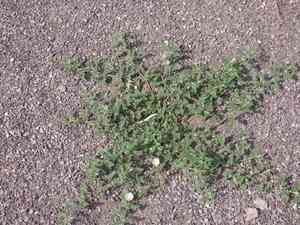
Scurfymallow is a member of the Malvaceae family and flourishes in soils that drain effectively. To propagate, plant seeds directly into the earth, making sure they are lightly covered. Sustaining soil dampness without oversaturation is vital for sprouting. Refrain from utilizing dense or clay-rich soils, as these impede root formation. Regular attention and observation can foster robust development of scurfymallow.
When Is the Best Time to Propagate Scurfymallow?
Propagation Method
Seeding
Propagation Period
Spring
What Tools Are Used in Scurfymallow Propagation?
Seed trays
Seed trays are vital for planting scurfymallow seeds. They offer a controlled setting for seedlings to grow before transplanting. Choose trays with good drainage to avoid waterlogging, which can harm young plants.
Seed compost
Utilizing premium seed compost is essential for the healthy sprouting and initial development of scurfymallow. Seed compost delivers the correct balance of nutrients and drainage properties needed for seedlings to flourish.
Labels
Labels help track the planting date and type of scurfymallow, preventing confusion between different batches. Accurate labeling is crucial for monitoring germination times and planning transplantation.
Spray bottle
A spray bottle is useful for gently watering seedlings without dislodging them. Consistent, light moisture is better than heavy watering for delicate scurfymallow seedlings.
Propagation mat
A propagation mat, or heat mat, provides warmth from below, which can encourage faster seed germination and rooting. This is especially helpful if scurfymallow needs warmer soil temperatures to sprout effectively.
Humidity dome
A humidity dome placed over seed trays helps maintain a moist environment, which is critical for scurfymallow germination. This tool can help prevent seeds from drying out too quickly.
Fine-mesh sieve
A fine-mesh sieve is used to create a thin, even layer of growing medium over sown seeds, helping ensure consistent coverage and aiding in uniform germination for scurfymallow.
Sterilizing solution
Using a sterilizing solution for cleaning tools, seed trays, and other equipment reduces the risk of disease during propagation. Maintaining sterile conditions is crucial for the health of scurfymallow seedlings.
How to Propagate Scurfymallow?
Propagation Difficulty
Simple
How to Care for Your Newly Propagated Scurfymallow?
How to Care for Your Newly Propagated Scurfymallow?
After propagation, ensure scurfymallow receives ample sunlight for optimal growth. Water plants consistently, allowing the top inch of soil to dry between waterings. Mulch around the base to retain moisture and suppress weeds. Fertilize moderately with a balanced, all-purpose fertilizer during the growing season. Monitor for pests and diseases, treating promptly if issues arise. Prune as needed to shape and encourage healthy growth.
Common Mistakes to Avoid When Propagating Scurfymallow
Overwatering
Excessive watering can lead to root rot, which severely hinders the plant's ability to absorb nutrients and can eventually kill the plant.
Planting Depth
Planting seeds or cuttings too deep can prevent them from receiving enough light and air, impeding germination and growth.
Inadequate Light
Not providing sufficient light can result in weak, elongated growth and reduce the plant's overall vitality.
Poor Soil Drainage
Using soil that does not drain well can cause water to accumulate around the roots, leading to fungal infections and root rot.
Incorrect Cutting Preparation
Failing to properly prepare cuttings (removing lower leaves, using a rooting hormone, etc.) can significantly decrease the chances of successful root development.
Tips For Propagating Scurfymallow
Moderate Watering
Ensure soil remains moist but not waterlogged. Allow the top inch of soil to dry out between watering to prevent root rot.
Optimal Planting Depth
Plant seeds or cuttings at an appropriate depth, usually just below the soil surface, to ensure adequate light and air reach them.
Provide Adequate Light
Place the plant in a location where it receives at least 6 hours of direct sunlight or use grow lights to ensure robust growth.
Well-Draining Soil
Use a soil mix that offers good drainage, such as a combination of sand, perlite, and organic matter, to prevent water pooling.
Proper Cutting Preparation
Prepare cuttings by removing lower leaves, optionally dipping the cut end in rooting hormone, and planting them in a sterile soil mix to enhance root development success.



