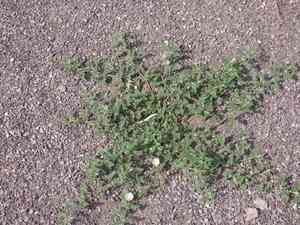
Scurfymallow (Malvella lepidota)
Also known as: Scurfy Mallow
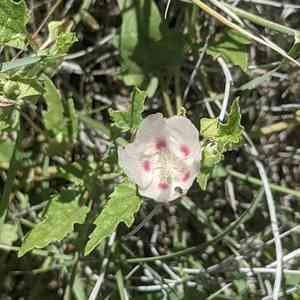
Scurfymallow is a resilient perennial well-suited to arid environments. Its small, hairy leaves and vibrant orange or pink flowers are key features. The plant's tiny hairs provide a reflective surface that mitigates the impact of harsh sunlight. Additionally, its extensive root system, particularly the deep taproot, allows it to access moisture from deeper soil layers. Scurfymallow's adaptations make it well-equipped to thrive in sandy or gravelly soils, enduring tough, dry conditions.
In This Article
Attributes of Scurfymallow
Lifespan
Perennial
Plant Type
Herb
Plant Height
0 mm to 30 cm
Spread
Typically not applicable as it is a creeping plant
Leaf Color
Grayish-green
Flower Size
1-2 cm
Flower Color
Yellow
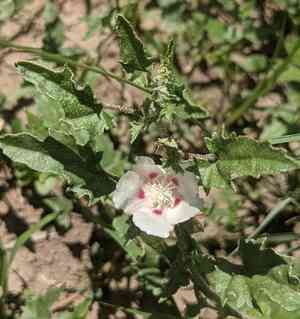
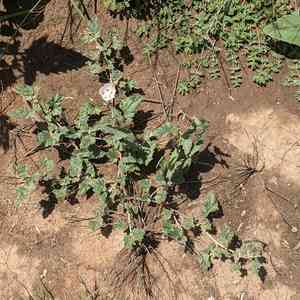
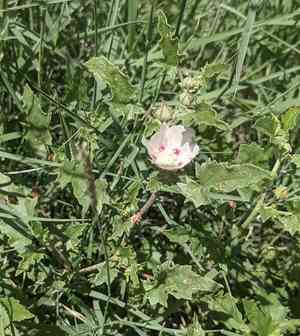
Images of Scurfymallow
Quickly Identify Scurfymallow
1
Malvella lepidota can be identified by its grayish-green leaves covered with small, star-shaped hairs, its small yellow flowers, and its creeping growth habit.
Scientific Classification of Scurfymallow
Phylum
Vascular plants
Class
Dicotyledons
Order
Malvales
Family
Mallow
Genus
Malvella
Species
Scurfymallow
Planting and Growing of Scurfymallow
Care Difficulty
Moderate
Watering Schedule
Every 2 days
Sunlight Requirements
Full sun
Sunshine Duration
4-8 hours
Ideal Temperature
60-75℉
Soil Type
Potting Mix, Peat Mix
Soil pH
6.5-7.5
Fertilizer Type
Balanced
Pruning Season
Spring, Summer
Pruning Area
Branches, Leaves
Pruning Frequency
2 times a year
Repotting Season
Spring
Pot Type
Plastic, Ceramic
 How to Water Scurfymallow?
For Malvella lepidota, it is essential to ensure moderate watering, preferably around 500 milliliters per watering. The moisture should evenly reach the root zone without oversaturating the soil, maintaining a balance that supports the plant’s growth without causing root rot.
What are the symptoms of an underwatered Scurfymallow?
›
What should I do if my Scurfymallow is not getting enough water?
›
What are the symptoms of an overwatered Scurfymallow?
›
How to save an overwatered Scurfymallow?
›
 What Are the Sunlight Requirements for Scurfymallow?
Malvella lepidota thrives best in full to partial sun environments, receiving between six to eight hours of daily sun exposure. This range ensures a balance that fosters healthy growth and flowering without risking light-induced stress.
What is the optimal location for this plant?
›
How can I adjust the light conditions if my plant is not thriving?
›
What benefits arise from ideal light conditions?
›
 What Is the Ideal Temperature Range for Scurfymallow?
For Malvella lepidota, the ideal temperature range is between 60°F and 75°F. This range ensures adequate metabolic activity necessary for efficient photosynthesis and overall plant health. Deploying strategies to maintain this ambient temperature will promote stronger growth and flowering.
 What Soil is Best for Scurfymallow?
Malvella lepidota thrives in well-drained soils that allow water to flow through easily without causing root rot. This ensures strong root growth and prevents fungal diseases. The plant benefits from a nutrient-rich medium that supports vibrant growth and abundant flowering. High organic matter can be added to boost fertility. While it does not tolerate waterlogged conditions, Malvella lepidota appreciates a moderate level of moisture that prevents drying out, especially during dry spells.
 How to Fertilize Scurfymallow?
For Malvella lepidota, use a balanced 10-10-10 liquid fertilizer or a similar nutrient composition. When applying liquid fertilizer, dilute it to half the recommended strength on the package to prevent over-fertilization. Each application should cover the soil evenly, ensuring no direct contact with plant foliage.
 How to Prune Scurfymallow?
To prune Malvella lepidota, begin by identifying any dead or damaged stems. Using clean pruning shears, cut these stems back to the base of the plant. Next, thin out overcrowded branches to improve air circulation and light penetration, aiming for a balanced shape. Finally, trim the tips of stems to encourage bushy growth and remove any flowers that have faded to promote further blooming. Focus on pruning during the spring and summer seasons when the plant is actively growing. Avoid heavy pruning during autumn, as it can weaken the plant going into the colder months. Light maintenance pruning throughout the year can help maintain the desired shape without compromising plant health.
More About Pruning Techniques→
 How to Propagate Scurfymallow plant?
1
Use a well-draining potting mix when starting seeds. Ensure the mixture is free from fungi and pests by sterilizing it in a hot oven before use. Add perlite or vermiculite to improve drainage.
2
Choose healthy, non-flowering stems for cutting. The ideal length is about 5-10 cm. Remove leaves from the lower half and dip the cut end in rooting hormone to encourage root growth.
3
In both seed and cutting propagation, plant the seeds or cuttings in prepared soil and water lightly. Keep them in a well-lit area, avoiding direct sunlight to prevent drying out of soil and cuttings.
 How to Repot Scurfymallow plant?
1
The ideal time to repot Malvella lepidota is when you notice its roots starting to outgrow the drainage holes or when the soil dries out faster than usual, indicating that the plant needs more room to grow.
2
Choose a pot that is 1-2 inches larger in diameter than the current one, with good drainage holes. This helps prevent overwatering and root rot by ensuring excess water can easily escape.
3
Opt for a well-draining sandy loam that allows excess moisture to move away from the roots. Such soil keeps the roots healthy and minimizes the chance of root rot and other moisture-related issues.
Learn More About Scurfymallow Diseases
Anthracnose
Bacterial Leaf Spot
Bacterial Wilt
Chemical Injury
Crown Gall
Cyst Nematode
Damping-off
Downy Mildew
Drought Stress
Fusarium Wilt
Gray Mold
Leaf Curl
Leaf Spot
Mosaic
Nutrient Deficiency
Nutrient Toxicity
Powdery Mildew
Root Rot
Root-knot Nematode
Rusts
Sooty Mold
Spider Mites
Temperature Stress
Thrips Damage
White Mold



