How to Propagate Smallfruit primrose-willow?
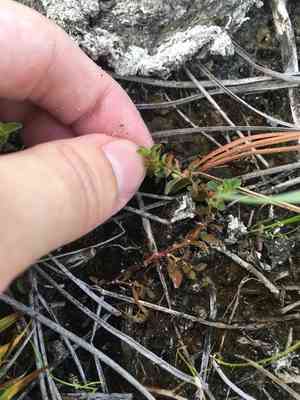
Ludwigia decurrens, a species within the Onagraceae botanical family, is recognized by its diminutive, yellow blossoms and its affinity for aquatic environments. For reproduction, disperse seeds into a substrate that drains effectively, guaranteeing steady dampness without saturation. Seed sprouting can be enhanced by lightly abrading the seed coats. Continuously observe and sustain ideal atmospheric moisture levels to foster development. Consulting botanical references confirms the efficacy of these propagation techniques for successful cultivation.
When Is the Optimal Time to Propagate Smallfruit Primrose-willow?
Propagation Method
Seeding
Propagation Period
Spring
What Equipment Is Utilized for Smallfruit Primrose-willow Propagation?
Seed Starting Trays
Seed starting trays are crucial for sowing smallfruit primrose-willow, offering a controlled setting for seed sprouting. These trays facilitate proper drainage, preventing waterlogging and root ailments, which are vital for robust seedling growth.
Seedling Heat Mat
A seedling heat mat is employed to sustain an ideal soil temperature, especially important for the germination of smallfruit primrose-willow seeds. Consistent warmth promotes quicker and more uniform sprouting, giving seeds the best start.
Humidity Dome
A humidity dome is positioned over seed starting trays to maintain elevated humidity levels during the germination process. For smallfruit primrose-willow, this helps prevent seeds from drying out and ensures steady moisture, which is essential for germination.
Seed Starter Mix
A premium seed starter mix offers a light, well-draining medium that supports healthy root development for smallfruit primrose-willow. This sterile blend minimizes the risk of soil-borne diseases and aids effective seed sprouting.
Spray Bottle
A spray bottle is important for gently watering smallfruit primrose-willow seeds to avoid dislodging them. Fine mist irrigation maintains consistent moisture levels in the seed starting mix without causing overwatering.
Plant Labels
Plant labels are used to track smallfruit primrose-willow seeds, ensuring different propagation stages are identifiable. Accurate labeling assists in monitoring germination times and caring for seedlings appropriately.
Scalpel or Sharp Knife
A scalpel or sharp knife is useful for tasks like thinning seedlings or preparing cuttings, if needed. Precision cutting tools ensure clean cuts, reducing damage and fostering healthy healing.
Small Fan
A small fan near the seedling area helps improve air circulation, crucial for reducing fungal diseases like damping-off. Good airflow strengthens smallfruit primrose-willow seedlings by mimicking natural wind conditions.
How to Propagate Smallfruit Primrose-willow?
Propagation Type
Simple
How to Nurture Your Newly Propagated Smallfruit Primrose-willow?
How to Nurture Your Newly Propagated Smallfruit Primrose-willow?
After propagating smallfruit primrose-willow, ensure the soil remains consistently moist as smallfruit primrose-willow thrives in damp conditions. Position the plants where they receive full sun to partial shade. Applying a balanced fertilizer during the growing season will encourage vigorous growth. Regularly check for pests and diseases, and prune as needed to maintain an appealing shape and prevent overgrowth.
Common Errors to Avoid When Propagating Smallfruit Primrose-willow
Overwatering
Excessive water can lead to root rot, as smallfruit primrose-willow prefers well-draining soil. Too much moisture restricts root oxygenation and can cause fungal infections.
Improper Soil Choice
Using dense, poorly aerated soil can impede root development and drainage. Smallfruit Primrose-willow thrives in light, sandy soils with good aeration.
Insufficient Light
Providing too little light can hinder growth and result in weak, leggy plants. Smallfruit Primrose-willow requires ample sunlight to flourish and establish strong roots.
Incorrect Cutting Technique
Damaging the cutting stems or taking cuttings from unhealthy plants reduces the chances of successful propagation. Clean, precise cuts are necessary, with sterilized tools to prevent disease.
Neglecting Humidity Needs
Ignoring the requirement for higher humidity can lead to desiccation and failure of the cuttings. Smallfruit Primrose-willow needs consistent humidity levels to thrive during the propagation stage.
Tips For Propagating Smallfruit Primrose-willow
Use Well-Draining Soil
Choose a light, sandy, well-draining soil mix to ensure roots receive adequate oxygen and prevent excess moisture that could cause rot.
Maintain Adequate Moisture
While avoiding overwatering, ensure the soil remains consistently moist to support root development. Consider misting the cuttings regularly.
Provide Ample Light
Place cuttings in an area where they receive plenty of indirect sunlight. This encourages healthy photosynthesis and robust growth.
Take Healthy Cuttings
Select healthy, disease-free sections of the plant for cuttings. Use sharp, sterile tools to make clean cuts just below a node.
Ensure High Humidity
Create a humid environment for the cuttings by covering them with a plastic dome or using a propagator. This helps maintain the necessary moisture levels.



