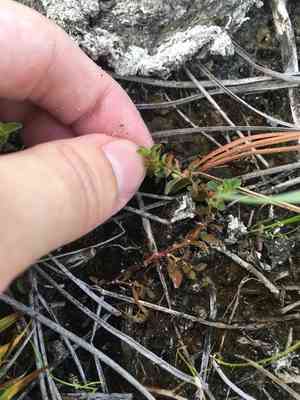
Smallfruit primrose-willow (Ludwigia microcarpa)
Also known as: Narrowleaf waterprimrose, Small-fruited water primrose, False loosestrife
Smallfruit primrose-willow is a freshwater aquatic plant characterized by its small, elliptical leaves and tiny, yellow flowers. It thrives in tranquil or gently flowing waters, often found in wetlands. This plant adapts well to semi-submerged environments, forming dense colonies that aid in its propagation. Its compact fruit capsules are notable, contributing to its ability to spread and persist in suitable habitats.
In This Article
Attributes of Smallfruit primrose-willow
Lifespan
Perennial
Plant Type
Herb
Plant Height
20-80 cm
Spread
Plant can spread up to 1 meter wide as it creates mats
Leaf Color
Green
Flower Size
Approximately 5-10 mm
Flower Color
Yellow
Images of Smallfruit primrose-willow
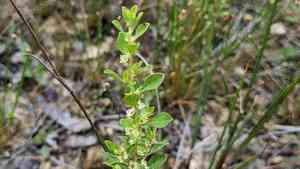
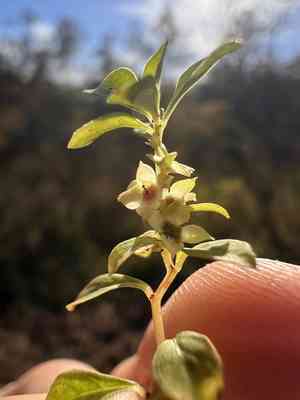
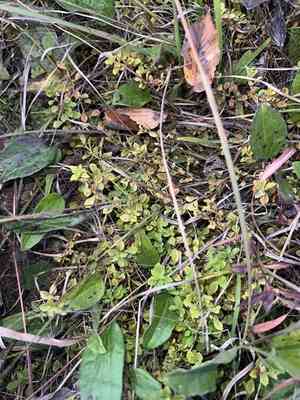
Quickly Identify Smallfruit primrose-willow
1
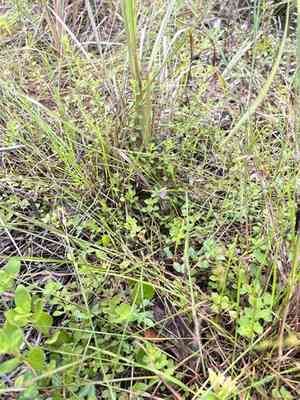
Identify Ludwigia microcarpa by its small, yellow, solitary flowers and linear to lanceolate leaves. The plant often forms dense mats in water, with stems that can root at the nodes.
Scientific Classification of Smallfruit primrose-willow
Phylum
Vascular plants
Class
Dicotyledons
Order
Myrtales
Family
Evening primrose
Genus
Primrose-Willow
Species
Smallfruit primrose-willow
Planting and Growing of Smallfruit primrose-willow
Care Difficulty
Easy
Watering Schedule
Every 5 days
Sunlight Requirements
Partial sun
Sunshine Duration
6-12 hours
Ideal Temperature
68-77℉
Soil Type
Potting Mix, Peat Mix
Soil pH
6.5-7.5
Fertilizer Type
Balanced
Pruning Season
Spring, Summer
Pruning Area
Branches, Leaves
Pruning Frequency
2 times a year
Repotting Season
Spring
Pot Type
Plastic, Ceramic
 How to Water Smallfruit primrose-willow?
Ludwigia microcarpa requires consistent moisture but not soggy conditions. When watering, aim to thoroughly saturate the soil without creating standing water. The plant's roots should never sit in waterlogged soil, which could lead to root rot. Typically, 200 ml of water should be sufficient to ensure the soil remains moist but not waterlogged.
What are the symptoms of an underwatered Smallfruit primrose-willow?
›
What should I do if my Smallfruit primrose-willow is not getting enough water?
›
What are the symptoms of an overwatered Smallfruit primrose-willow?
›
How to save an overwatered Smallfruit primrose-willow?
›
 What Are the Sunlight Requirements for Smallfruit primrose-willow?
Partial sun encompasses conditions like half-sun or dappled light, perfect for Ludwigia microcarpa. This light range supports robust photosynthesis, ensuring energy production for vibrant and healthy growth.
What type of sunlight does Ludwigia microcarpa prefer?
›
What solutions can be employed to achieve the ideal lighting conditions?
›
What benefits does Ludwigia microcarpa achieve from ideal light conditions?
›
 What Is the Ideal Temperature Range for Smallfruit primrose-willow?
Ludwigia microcarpa thrives in a temperature range of 68°F to 77°F. This range provides the ideal conditions for growth, promoting healthy leaf development and robust plant health. Keeping the temperature within this range ensures the plant receives enough warmth for photosynthesis without causing heat stress.
 What Soil is Best for Smallfruit primrose-willow?
Ludwigia microcarpa thrives in soil that retains moisture well, ensuring the plant receives adequate hydration, especially during dry periods. This helps the plant maintain its lush green foliage and supports continuous growth. Rich in nutrients, the soil must supply essential minerals and elements to support robust growth of Ludwigia microcarpa, resulting in healthy and vigorous plants with vibrant colors. A requirement for well-drained soil prevents waterlogging that can lead to root rot. Providing drainage helps maintain a healthy root system and supports overall plant health.
 How to Fertilize Smallfruit primrose-willow?
The appropriate amount of fertilizer for Ludwigia microcarpa depends on its growing conditions. Generally, a moderate application will suffice. For liquid fertilizer, mix the solution at half the recommended strength to avoid overfeeding, applying around 5-10 ml per plant. It is crucial to monitor the plant's health and growth to adjust the amount as needed.
 How to Prune Smallfruit primrose-willow?
To prune Ludwigia microcarpa, start by using clean, sharp scissors or pruning shears. Trim back any overgrown stems, focusing on keeping a uniform shape. Remove any diseased or damaged foliage to prevent the spread of potential issues. Always cut just above a leaf node to encourage healthy new growth. Regular pruning not only keeps the plant aesthetically pleasing but also ensures better light penetration and airflow. Shaping and thinning Ludwigia microcarpa is essential for maintaining an attractive appearance. Focus on thinning dense growth areas to allow better light penetration and air circulation, which are crucial for preventing disease. It's also beneficial for encouraging a bushy growth habit. Always make cuts at a 45-degree angle, which helps in water runoff, thus preventing rot.
More About Pruning Techniques→
 How to Propagate Smallfruit primrose-willow plant?
1
Choose a robust and disease-free Ludwigia microcarpa specimen as the donor for cuttings or seeds. This will ensure that the cuttings or seeds have the best start and are less likely to succumb to diseases.
2
Cuttings should be taken from healthy, non-flowering stems. Cut a piece about 4-6 inches long and trim the leaves from the lower half to reduce water loss and promote rooting.
3
Plant the cuttings in a pot filled with a moist potting mix. Water thoroughly and place it in a well-lit, warm location without direct sunlight to prevent drying out and encourage strong growth.
 How to Repot Smallfruit primrose-willow plant?
1
Look for signs such as roots protruding from the drainage holes, slow growth despite proper care, and compacted soil. These indicators suggest it's time to give your Ludwigia microcarpa a new home. Repotting during active growth seasons, like spring or summer, ensures the plant can quickly establish in its new environment.
2
Select a pot slightly larger than the current one, made from materials like ceramic or plastic with drainage holes. A larger pot provides space for root growth and prevents root rot by facilitating better drainage. Opting for a lightweight material helps in easy relocation of the plant for optimal sunlight exposure.
3
Opt for a well-draining potting mix that retains moisture but drains excess water efficiently. Such a blend supports root health, preventing waterlogging and promoting aeration. Including organic matter like peat or coconut coir can improve the soil structure and nutrient content, helping your Ludwigia thrive.



