How to Propagate Southern honeysuckle?
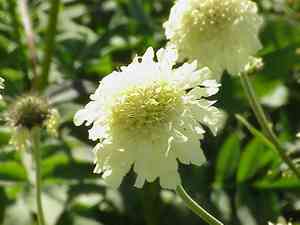
Lonicera subspicata, an evergreen shrub or climbing plant indigenous to California, flourishes in coastal sage scrub and chaparral environments. For reproduction, employ semi-hardwood cuttings. Prepare segments approximately 4-6 inches in length and insert them into a porous substrate. Sustain moisture levels to foster root formation. After roots have taken hold, relocate to an appropriate outdoor site. Consistent trimming stimulates development. These actionable recommendations guarantee effective propagation and robust growth.
Optimal Period for Southern Honeysuckle Propagation
Propagation Method
Cutting
Propagation Period
Spring,Summer
Tools Required for Southern Honeysuckle Propagation
Pruning Shears
Pruning shears are vital for taking healthy cuttings from southern honeysuckle. They enable precise cuts, minimizing harm or illness to the parent plant and ensuring the cuttings have the best chance of successful rooting.
Rooting Hormone
Rooting hormone is essential for encouraging root growth in southern honeysuckle cuttings. It boosts the rooting success rate by stimulating root development, which is key for new plant establishment.
Propagation Tray
A propagation tray offers a regulated setting for southern honeysuckle cuttings to form roots. It facilitates easy management of humidity and temperature, both crucial for successful propagation.
Misting System
A misting system aids in sustaining the necessary humidity levels around southern honeysuckle cuttings. Consistent misting prevents cuttings from drying out, which is critical during the initial rooting phases.
Clear Plastic Dome
A clear plastic dome can be utilized to cover the propagation tray, creating a miniature greenhouse effect for southern honeysuckle cuttings. This helps maintain consistent humidity and temperature, vital for successful rooting.
Sterile Scissors
Sterile scissors are important for trimming any damaged or diseased leaves or stems of southern honeysuckle. Using sterile tools reduces the risk of infecting the cuttings with pathogens.
Heat Mat
A heat mat provides warmth to the base of southern honeysuckle cuttings, which can accelerate the rooting process. Warm soil temperatures are beneficial for root development and can significantly improve propagation success.
How to Propagate Southern Honeysuckle?
Propagation Difficulty
Moderately Difficult
Caring for Your Newly Propagated Southern Honeysuckle
Caring for Your Newly Propagated Southern Honeysuckle
Once rooted, transfer southern honeysuckle to individual pots with a well-draining mix. Water regularly, keeping the soil moist but not waterlogged. Position pots in a sunny spot. As southern honeysuckle grows, provide support if needed. Fertilize monthly during the growing season with a balanced, water-soluble feed. Prune as necessary to maintain shape and encourage bushier growth.
Common Errors to Avoid When Propagating Southern Honeysuckle
Overwatering
Excessive moisture can lead to root rot and fungal issues, impeding root development.
Incorrect Soil Type
Using dense or poorly draining soil can cause waterlogging, suffocating roots.
Insufficient Light
Lack of adequate light hinders photosynthesis, impairing the growth and health of cuttings.
Improper Cutting Techniques
Taking cuttings that are too large or small, or damaging stems, can reduce root formation success.
Neglecting Humidity
Failing to maintain proper humidity levels can dry out cuttings, leading to poor propagation outcomes.
Tips For Propagating Southern Honeysuckle
Water Management
Moderate watering helps maintain moist but not waterlogged conditions, crucial for root development.
Soil Selection
Use well-draining, sandy or loamy soil to ensure proper aeration and prevent water accumulation.
Light Requirements
Provide abundant indirect light to promote healthy growth without scorching the cuttings.
Cutting Preparation
Take cuttings that are 4-6 inches long, remove lower leaves, and use a clean, sharp tool to prevent damage.
Humidity Control
Maintain a high humidity environment with a plastic cover or misting to keep cuttings hydrated.
Rooting Hormone
Applying a rooting hormone to the cut end can enhance root formation and increase success rates.



