How to Propagate Butte desertparsley?
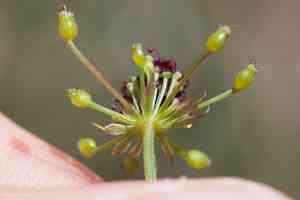
To achieve successful propagation of butte desertparsley, it's essential to plant seeds in soil that drains effectively and receives abundant sunlight. Keep the soil consistently moist, but avoid saturation, to promote sprouting. This particular species thrives with stratification; refrigerating the seeds prior to planting can significantly improve their germination success. When relocating young plants, handle them gently to prevent damage to their root structures, and ensure they are situated in an environment that replicates the original soil and light conditions for peak development.
Optimal Time for Butte Desertparsley Propagation
Propagation Method
Seeding
Propagation Period
Spring
Essential Tools for Butte Desertparsley Propagation
Seed trays
These offer a controlled setting for planting seeds, enabling easy oversight and management of young plants. They ensure adequate space and nutrients for initial growth.
Seed compost
This specially formulated growing medium provides ideal drainage, aeration, and nutrient balance for the early growth phases of butte desertparsley, fostering strong root systems.
Fine mist sprayer
Maintaining moisture levels without saturating the soil is vital. A fine mist sprayer distributes water evenly, preventing seed displacement and sustaining necessary humidity for germination.
Heat mat
Consistent warm temperatures are often crucial for promoting germination. A heat mat delivers steady warmth, accelerating the germination process for butte desertparsley seeds.
Humidity dome
Used with seed trays, a humidity dome creates a micro-environment that retains moisture and stable humidity. This is essential for seeds needing warmer, more humid conditions for successful germination.
Label markers
Labeling each seed tray with the plant type and sowing date is key for tracking growth stages and ensuring precise monitoring, which aids in timely care and maintenance.
Gentle trowel
A small, gentle trowel assists in the careful handling and moving of delicate seedlings from trays to pots or planting areas, minimizing root disturbance, which is crucial for butte desertparsley's development.
Grow lights
Supplemental illumination ensures seedlings receive enough light for photosynthesis, especially when natural light is insufficient, preventing stretching and supporting robust, healthy development.
How to Propagate Butte Desertparsley?
Propagation Type
Simple
How to Care for Your Newly Propagated Butte Desertparsley?
How to Care for Your Newly Propagated Butte Desertparsley?
After moving, continue to irrigate butte desertparsley regularly, allowing the soil to dry slightly between waterings. Apply mulch around the plant bases to retain moisture and inhibit weed growth. Use a balanced, slow-release fertilizer in spring to encourage healthy development. Monitor for pests and diseases, taking appropriate action if necessary. Regularly remove any dead or damaged foliage to promote vigorous growth and maintain plant health.
Common Mistakes to Avoid When Propagating Butte Desertparsley
Overwatering
Excessive watering can lead to root rot and fungal diseases, severely impacting propagation success.
Poor soil drainage
Using soil that doesn't drain well can cause water retention, leading to root suffocation and fungal infections.
Inadequate lighting
Insufficient light can result in weak, elongated seedlings that lack the strength to survive.
Improper seed stratification
Failing to stratify seeds as required can impede germination rates, making propagation more difficult.
Transplanting too early
Moving seedlings before they are ready can cause transplant shock and hinder establishment.
Tips For Propagating Butte Desertparsley
Well-draining soil
Utilize a soil mix that drains effectively to prevent waterlogging and encourage healthy root development.
Moderate watering
Water sparingly, allowing the soil to become slightly dry between irrigation sessions to prevent root rot.
Adequate light
Ensure seedlings receive sufficient indirect sunlight or artificial grow lights to support strong growth.
Proper seed stratification
Stratify seeds by exposing them to a cold period for several weeks to enhance germination rates.
Careful transplantation
Move seedlings gently once they have developed a robust root system and are sturdy enough to withstand the transfer.



