How to Propagate Austin's desert parsley?
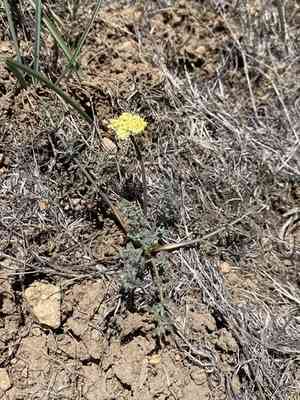
Austin's desert parsley, a hardy perennial plant, flourishes in dry climates with soil that drains effectively. The most effective method for propagation is to plant seeds directly into the ground. It is crucial to scarify the seeds to improve their sprouting rate. Maintain damp soil, but prevent it from becoming waterlogged. Integrate a loose, sandy substrate to mimic its native habitat. Consistently observe for indications of seedling emergence, ensuring a consistent level of hydration.
Optimal Time for Propagating Austin's Desert Parsley?
Propagation Method
Sowing
Propagation Period
Spring
Tools Utilized in Austin's Desert Parsley Propagation?
Seed Trays
Seed trays offer a controlled setting for planting austin's desert parsley seeds. They enable organized cultivation, improved seedling management, and effortless transplanting.
Seed Starting Mix
A premium seed starting mix guarantees good air circulation, moisture retention, and supplies vital nutrients for the initial growth phases of austin's desert parsley. It aids in the robust establishment of seedlings.
Humidity Dome
A humidity dome maintains suitable humidity levels, which is vital for the germination of austin's desert parsley. It prevents seeds from drying out and ensures consistent moisture.
Heating Mat
A heating mat provides warmth from below, essential for the germination of austin's desert parsley seeds. It maintains an ideal soil temperature, encouraging quicker and more uniform germination rates.
Watering Can with Fine Nozzle
A watering can with a fine nozzle is crucial for gently irrigating austin's desert parsley seedlings without disturbing the soil or seeds. This tool helps prevent seeds from being dislodged and supports stable moisture levels.
Labels
Plant labels assist in identifying and tracking various austin's desert parsley seedlings. They are indispensable for managing sowing dates and future transplantation without confusion.
Tweezers
Tweezers are useful for handling small austin's desert parsley seeds during the sowing process, ensuring precise placement in the seed tray. They minimize the risk of harming delicate seeds.
Propagation Light
A propagation light ensures that austin's desert parsley seedlings receive adequate illumination, which is essential for photosynthesis and healthy development. It helps prevent leggy seedlings and promotes strong, vigorous plants.
Sterilization Solution
A sterilization solution is important for cleaning tools and seed trays before use to prevent disease spread. It ensures a healthy growing environment for austin's desert parsley.
How to Propagate Austin's Desert Parsley?
Propagation Type
Easy
How to Care for Your Newly Propagated Austin's Desert Parsley?
How to Care for Your Newly Propagated Austin's Desert Parsley?
Post-transplant, water plants regularly but allow soil to dry between waterings to prevent root rot. Mulch around plants to retain moisture and suppress weeds. Monitor for pests and diseases, applying organic treatments if needed. Fertilize sparingly, as austin's desert parsley adapts to low-nutrient soils. Prune dead or damaged foliage to encourage healthy growth.
Common Mistakes to Avoid When Propagating Austin's Desert Parsley
Incorrect Soil Conditions
Using soil that doesn't mimic its natural, well-drained, rocky or sandy habitat can lead to poor growth and root rot.
Overwatering
Excessive watering can cause root rot and fungal diseases, as austin's desert parsley prefers drier soil conditions.
Insufficient Light
Placing austin's desert parsley in a shaded area can hinder its growth, as it thrives in full sun.
Improper Seed Handling
Not stratifying seeds can result in poor germination, as austin's desert parsley seeds often require a cold stratification period.
Improper Transplanting
Disturbing the root system too much during transplanting can damage the plant; austin's desert parsley has a long taproot that is sensitive.
Tips For Propagating Austin's Desert Parsley
Utilize Well-Drained Soil
Choose a well-drained, rocky or sandy soil mix to replicate natural conditions and prevent root diseases.
Moderate Watering
Water sparingly to avoid waterlogging and support the natural growth patterns of austin's desert parsley.
Full Sun Exposure
Ensure the plant receives full sunlight to mimic its natural environment and promote healthy growth.
Cold Stratification
Stratify seeds by placing them in a moist medium in the refrigerator for several weeks to enhance germination rates.
Careful Transplanting
Handle with care during transplanting to avoid damaging the taproot, and choose a deep container if starting indoors.



