How to Propagate White meadowfoam?
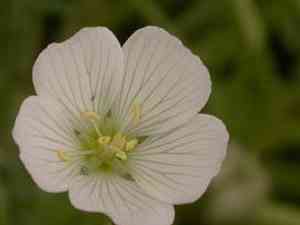
Limnanthes alba, recognized by its fragile white blossoms, is primarily multiplied via seeding. Select a growing medium that drains effectively and distribute seeds uniformly. Gently cover with substrate and maintain consistent dampness in the vicinity until sprouting occurs. Ample sunlight exposure boosts development. While direct planting is favored, confirm that young plants are sufficiently separated for peak maturation. Consistent observation and proper weed removal can encourage robust growth.
Optimal Period for White Meadowfoam Propagation
Propagation Method
Seeding
Propagation Period
Spring
Tools Utilized in White Meadowfoam Propagation
Seed Trays
Seed trays are crucial for planting white meadowfoam seeds. They offer a controlled environment for seed germination. Employing high-quality, sterilized seed trays can prevent illnesses and boost germination success.
Seed Compost
A fine, well-draining seed compost is vital for the successful sprouting of white meadowfoam seeds. It supplies essential nutrients and supports robust root development during the initial growth phases.
Misting Bottle
A misting bottle enables gentle irrigation of white meadowfoam seeds without disruption. Maintaining consistent moisture levels is paramount for their germination.
Heating Mat
A heating mat can supply steady warmth, which can improve the germination rate and accelerate the process for white meadowfoam seeds. This is especially useful in colder regions or during cooler months.
Humidity Dome
A humidity dome helps maintain elevated humidity levels, which is advantageous for germinating white meadowfoam seeds. It can also safeguard seedlings from drying out too rapidly.
Plant Labels
Plant labels are necessary for tracking various seed types and planting dates. This is particularly important for white meadowfoam, as monitoring germination times and seedling development can aid in planning and management.
Sterile Tweezers
Sterile tweezers are beneficial for handling white meadowfoam seeds, which can be delicate. This helps minimize damage and contamination during the planting process.
How to Propagate White Meadowfoam?
Propagation Difficulty
Simple
Post-Propagation Care for Your White Meadowfoam
Post-Propagation Care for Your White Meadowfoam
Following propagation, ensure the soil remains consistently moist but not waterlogged. Provide white meadowfoam with ample sunlight to encourage vigorous growth. Regularly inspect for pests and diseases, and promptly eliminate any infestations. Apply a mild fertilizer every few weeks during the growing season to support strong development. Mulch around the plant bases to retain soil moisture and inhibit weed growth.
Common Errors to Avoid When Propagating White Meadowfoam
Overwatering
Excessive watering can lead to root rot and fungal infections, severely impeding the development and health of white meadowfoam.
Poor Soil Drainage
Using soil that lacks proper drainage can result in waterlogged roots, stunting growth and increasing susceptibility to diseases.
Insufficient Light
Failure to provide adequate sunlight can lead to weak, leggy plants that are unable to thrive.
Improper Seed Sowing
Planting seeds too deep or too close together can result in poor germination rates and overcrowded seedlings, which compete for nutrients and light.
Neglecting Soil Preparation
Not adequately preparing the soil with essential nutrients and structure can lead to slow growth and poor overall plant vitality.
Tips for Propagating White Meadowfoam
Moderate Watering
Maintain a consistent moisture level by watering moderately, ensuring the soil is damp but not saturated.
Well-Draining Soil
Utilize a well-draining soil mix to prevent water retention and root rot. Amend heavy soils with sand or perlite to enhance drainage.
Adequate Light
Provide white meadowfoam with abundant sunlight, preferably full sun, to foster strong, healthy growth.
Proper Seed Sowing
Sow seeds at an appropriate depth and spacing according to guidelines, typically around 1/4 inch deep and adequately spaced to allow for growth.
Soil Preparation
Prepare the soil by incorporating organic matter or compost to enrich nutrient content and soil structure, giving the seedlings a robust start.



