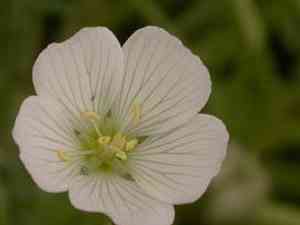
White meadowfoam (Limnanthes alba)
Also known as: Slender meadowfoam
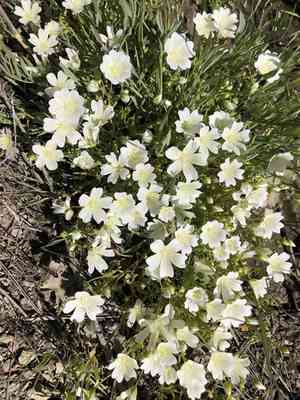
White meadowfoam is a herbaceous plant known for its small white flowers with yellow centers. It flourishes in wet, marshy areas, particularly in low-lying regions with clay or loamy soils. The plant has pinnately divided leaves suited to its moist habitat. Additionally, its seeds are rich in oil and serve as an important food source for wildlife, contributing to the local ecosystem.
In This Article
Attributes of White meadowfoam
Lifespan
Annual
Plant Type
Herb
Plant Height
10-30 cm
Spread
10-25 cm
Leaf Color
Bright green
Flower Size
2-3 cm
Flower Color
White with a yellow center
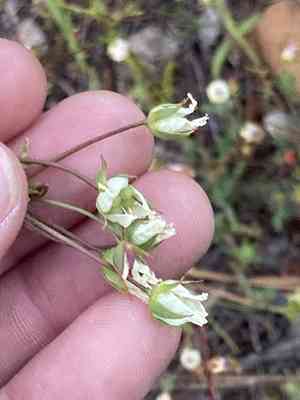
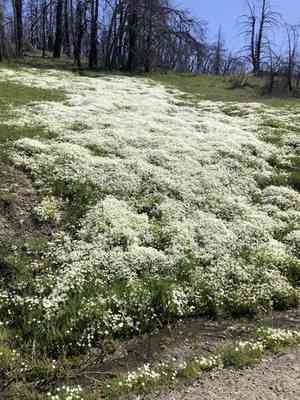
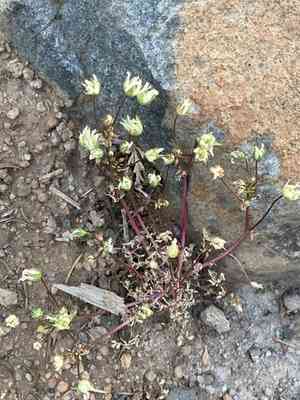
Images of White meadowfoam
Quickly Identify White meadowfoam
1
To identify Meadowfoam, look for a low-growing herbaceous plant with delicate white flowers. The petals have a slightly waxy texture and are typically five-lobed. The foliage is bright green and finely divided.
Scientific Classification of White meadowfoam
Phylum
Vascular plants
Class
Dicotyledons
Order
Brassicales
Family
Meadowfoam
Genus
Meadowfoams
Species
White meadowfoam
Planting and Growing of White meadowfoam
Care Difficulty
Easy
Watering Schedule
Every 4 days
Sunlight Requirements
Full sun
Sunshine Duration
6-10 hours
Ideal Temperature
65-75℉
Soil Type
Potting Mix, Peat Mix
Soil pH
6.5-7.5
Fertilizer Type
Balanced
Pruning Season
Spring, Summer
Pruning Area
Branches, Leaves
Pruning Frequency
2 times a year
Repotting Season
Spring
Pot Type
Plastic, Ceramic
 How to Water White meadowfoam?
Limnanthes alba, commonly known as white meadowfoam, should be watered until its soil is evenly moist but not waterlogged. Utilize around 250 ml of water for a medium-sized pot, ensuring the soil remains damp to about an inch beneath the surface. It’s important that the water properly drains to avoid soggy conditions.
What are the symptoms of an underwatered White meadowfoam?
›
What should I do if my White meadowfoam is not getting enough water?
›
What are the symptoms of an overwatered White meadowfoam?
›
How to save an overwatered White meadowfoam?
›
 What Are the Sunlight Requirements for White meadowfoam?
Limnanthes alba thrives in a full-sun environment with 6-8 hours of sunlight. Such conditions boost photosynthesis, ensuring vigorous growth, vibrant flowers, and healthy seed development.
Does Limnanthes alba prefer sun or shade?
›
How can I ensure that Limnanthes alba receives ideal sunlight?
›
What benefits occur when Limnanthes alba receives ideal lighting?
›
 What Is the Ideal Temperature Range for White meadowfoam?
The ideal temperature range for Limnanthes alba, commonly known as white meadowfoam, lies between 65°F and 75°F. This temperature range helps ensure optimal growth and flowering, allowing for proper photosynthesis and metabolic activity. Fluctuations outside this range can lead to stress and reduced vitality.
 What Soil is Best for White meadowfoam?
Limnanthes alba thrives in well-drained soil, which prevents waterlogging that could potentially harm its roots. Adequate drainage is essential to ensure excess water flows away efficiently, promoting healthy root development and reducing the risk of root rot. This plant does best when planted in soil with medium nutrient levels. It requires balanced nutrients to encourage robust growth and flowering, maximizing its potential to produce healthy, vigorous blooms and beneficial seeds. Incorporating organic matter into the soil enhances its structure and fertility for Limnanthes alba. This results in better moisture retention and nutrient availability, supporting sustained growth and resilience against environmental stresses.
 How to Fertilize White meadowfoam?
Limnanthes alba, known as white meadowfoam, requires a balanced approach to fertilization. Use a balanced fertilizer (10-10-10) at a rate of 1/4 teaspoon per gallon of water for liquid applications. This ensures an adequate amount of nutrients without overwhelming the plant.
 How to Prune White meadowfoam?
Inspect the plant for any dead or dying stems. These appear brown and woody, devoid of any green growth. Focus on cutting these first to revitalize the plant and redirect its energy into healthier parts of the plant. Trim back any withered flower heads to encourage the plant to produce more blooms. This prevents the plant from channeling energy into seed production and keeps it looking neat and orderly. Balance the plant's shape by pruning each branch or stem back by one-third. Ensure you cut at an angle just above a leaf node, which promotes faster and healthier growth.
More About Pruning Techniques→
 How to Propagate White meadowfoam plant?
1
Fill the seed tray with a well-draining seed starting mix and ensure it's evenly moistened. The mix should not be soggy to avoid rotting the seeds. Leverage a fine mist spray to achieve the right moisture level.
2
Scatter the Limnanthes alba seeds thinly across the seed tray surface. Lightly press them into the soil but do not bury them, as they require light for germination. Space seeds adequately to prevent overcrowding.
3
Cover the tray with a moisture dome and place it in a warm location with indirect sunlight. Check daily for moisture and add water if the soil surface begins to dry out. Seeds typically germinate within 14 days under optimal conditions.
 How to Repot White meadowfoam plant?
1
You should consider repotting Limnanthes alba when you notice roots beginning to circle the bottom of the current pot or emerging through drainage holes. Another sign is when the plant's growth rate slows down despite regular fertilization, indicating it has outgrown its current container.
2
Choose a pot that is about 2 inches larger in diameter than the current one to give the plant ample room to grow. It should have good drainage to prevent water from pooling at the bottom, which can cause root rot, allowing the plant to thrive much better.
3
Opt for a well-draining, nutrient-rich soil mix to support healthy root development and water management. Such soil allows necessary aeration and ensures excess water drains quickly, minimizing the risk of waterlogged roots and promoting robust plant growth.



