How to Propagate Texas lespedeza?
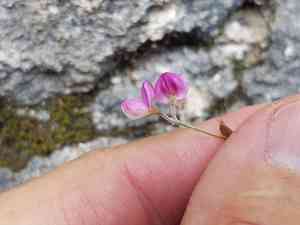
Texas lespedeza, a perennial herbaceous plant belonging to the Fabaceae family, frequently inhabits Texan grasslands. For successful propagation of texas lespedeza, employ stem cuttings. Select vigorous, established stems and insert them into a substrate that drains efficiently to encourage root formation. Furthermore, it is vital to sustain adequate soil hydration without oversaturation. Consistent observation guarantees the growth of a strong root structure, thereby improving the likelihood of successful transplantation.
Optimal Time for Texas Lespedeza Propagation
Propagation Type
Cutting
Propagation Season
Spring,Summer
Tools for Texas Lespedeza Propagation
Pruning Shears
Pruning shears are vital for obtaining healthy cuttings from texas lespedeza. They ensure clean cuts, minimizing harm to both the parent plant and the cutting, thus boosting successful rooting.
Rooting Hormone
Rooting hormone promotes root formation in texas lespedeza cuttings. It contains growth stimulants that encourage root development, increasing propagation success rates.
Propagation Tray
Propagation trays securely hold texas lespedeza cuttings as they develop roots. They facilitate better organization and management of numerous cuttings.
Sterile Cutting Knife
A sterile cutting knife guarantees that texas lespedeza cuttings are free from contaminants and diseases. This reduces infection risks and enhances the likelihood of healthy plant growth.
Misting Bottle
A misting bottle is essential for maintaining humidity levels around texas lespedeza cuttings. Regular misting keeps cuttings hydrated and prevents drying out, which is crucial for root formation.
Seedling Heat Mat
A seedling heat mat provides consistent warmth from below to texas lespedeza cuttings, accelerating root growth. Optimal heat is vital for promoting faster and stronger root development.
Well-Draining Potting Mix
Using a well-draining potting mix ensures texas lespedeza cuttings are not waterlogged, which can cause rot. It provides the necessary aeration and moisture balance for root development.
Humidity Dome
A humidity dome creates a controlled micro-environment with high humidity for texas lespedeza cuttings. This helps reduce water loss and encourages root formation by maintaining ideal moisture levels.
Plant Labels
Plant labels assist in tracking texas lespedeza cuttings. Proper labeling ensures organization and aids in monitoring each cutting's progress and care needs.
Propagating Texas Lespedeza Guide
Propagation Type
Moderately Difficult
Caring for Newly Propagated Texas Lespedeza
How to Care for Your Newly Propagated Texas Lespedeza?
Texas lespedeza needs well-drained soil and moderate watering. Once established, it tolerates drought. Prune regularly to maintain shape and encourage denser growth. Fertilize in spring with a balanced feed and ensure it receives full sun to partial shade for best development.
Common Errors to Avoid When Propagating Texas Lespedeza
Overwatering
Excessive watering can lead to root rot and fungal issues, severely impacting the plant's growth and survival.
Improper Soil Selection
Using soil that retains too much moisture or is overly dense can suffocate roots and impede nutrient absorption.
Incorrect Light Conditions
Providing too much shade or intense, direct sunlight can stress the plant, affecting its growth and root development.
Neglecting Seed Treatment
Failing to scarify or soak seeds before planting can result in poor germination rates.
Advice for Propagating Texas Lespedeza
Moderate Watering
Ensure the soil remains moderately moist but not waterlogged to support proper root health and growth.
Well-Draining Soil
Utilize a sandy or loamy soil mix that drains effectively to prevent water retention and root rot.
Filtered Sunlight
Position texas lespedeza in an area with filtered sunlight or partial shade to prevent leaf burn and stress.
Seed Preparation
Scarify or soak seeds prior to planting to enhance germination rates and promote healthy seedling development.
Consistent Monitoring
Regularly inspect the plant for signs of stress, pests, or disease to address any issues promptly and ensure successful propagation.



