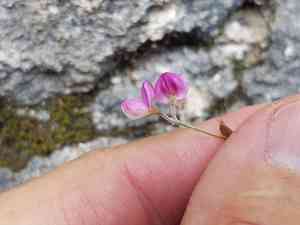
Texas lespedeza (Lespedeza texana)
Also known as: Texas Lespedeza
The perennial shrub you're referring to is Texas Lespedeza. Native to Texas, it forms dense clumps with a bushy growth habit and slender stems bearing small, trifoliate leaves. This shrub blooms with delicate pink-purple flowers from late summer to fall. It is well-adapted to dry conditions and is commonly found in prairies and open woodlands, attracting pollinators such as bees and butterflies to its nectar-rich flowers.
In This Article
Attributes of Texas lespedeza
Lifespan
Perennial
Plant Type
Shrub
Plant Height
91 cm to 1.8 m
Spread
Not typically measured for herbaceous plants
Leaf Color
Green
Flower Size
0.4 to 0.6 inches
Flower Color
Pink, purple
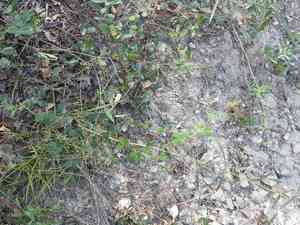
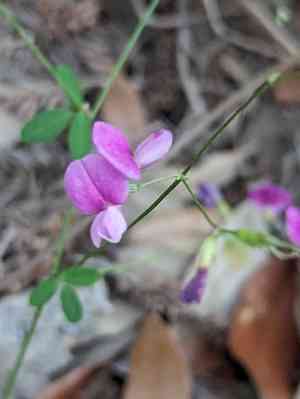
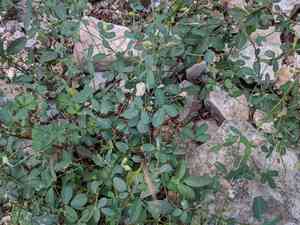
Images of Texas lespedeza
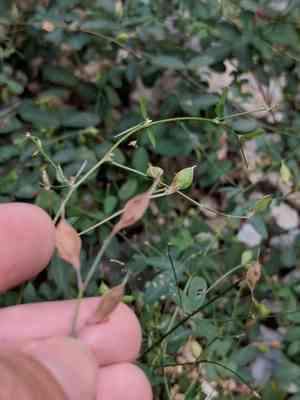
Quickly Identify Texas lespedeza
1
This plant can be identified by its trifoliate leaves, small pink to purple flowers, and slender stems. It typically blossoms in late summer to fall.
Scientific Classification of Texas lespedeza
Phylum
Vascular plants
Class
Dicotyledons
Order
Fabales
Family
Legume
Genus
Bush clovers
Species
Texas lespedeza
Planting and Growing of Texas lespedeza
Care Difficulty
Easy
Watering Schedule
Every 2 days
Sunlight Requirements
Full sun
Sunshine Duration
6-10 hours
Ideal Temperature
60-75℉
Soil Type
Potting Mix, Peat Mix
Soil pH
6.5-7.5
Fertilizer Type
Balanced
Pruning Season
Spring, Summer
Pruning Area
Branches, Leaves
Pruning Frequency
2 times a year
Repotting Season
Spring
Pot Type
Plastic, Ceramic
 How to Water Texas lespedeza?
Lespedeza texana prefers moderate watering, and it's crucial to water thoroughly until the soil feels moist but not waterlogged. A general rule of thumb is to water with about 500 ml each time, ensuring even distribution around the base of the plant.
What are the symptoms of an underwatered Texas lespedeza?
›
What should I do if my Texas lespedeza is not getting enough water?
›
What are the symptoms of an overwatered Texas lespedeza?
›
How to save an overwatered Texas lespedeza?
›
 What Are the Sunlight Requirements for Texas lespedeza?
Lespedeza texana flourishes in environments with full to partial sunlight, ideally receiving 6-8 hours daily. Optimal light conditions support vigorous growth, full blooming, and enhance the plant's natural defenses and resilience.
What kind of sunlight does Lespedeza texana prefer?
›
How can you ensure Lespedeza texana receives ideal light?
›
What are the benefits of ideal lighting for Lespedeza texana?
›
 What Is the Ideal Temperature Range for Texas lespedeza?
The ideal temperature range for growing Lespedeza texana is between 60°F and 75°F. This range allows the plant to photosynthesize efficiently and supports optimal metabolic functions. Temperatures within this range promote healthy growth, flowering, and overall vitality. Maintaining a consistent temperature helps prevent stress and encourages the plant to thrive.
 What Soil is Best for Texas lespedeza?
Ensure that the soil is enriched with organic matter. This provides essential nutrients that help Lespedeza texana thrive and results in healthy, vibrant plants. Lespedeza texana prefers soils that allow excess water to drain away quickly. This prevents root rot and other water-related plant diseases. Maintain moderate moisture in the soil without letting it dry out completely. This balance ensures consistent growth and resilience in varied weather conditions.
 How to Fertilize Texas lespedeza?
When fertilizing Lespedeza texana, it's crucial to use moderate quantities. For liquid fertilizers, aim for a dilution rate of half of what's recommended on the label. Each application should cover the root zone lightly, ensuring not to oversaturate, especially in the growing season.
 How to Prune Texas lespedeza?
Begin by using clean, sharp pruning shears. Identify and remove any dead or damaged branches first. Next, thin out the bush by cutting back older branches to encourage new growth. Prune back about one-third of the length of the shrub to maintain a well-shaped plant. Make cuts at a 45-degree angle, just above a leaf node or outward-facing bud to promote future growth.
More About Pruning Techniques→
 How to Propagate Texas lespedeza plant?
1
Start by collecting seeds in the autumn, after the pods have dried on the plant. Store them in a cool, dry place until ready for planting in the spring. Soak seeds overnight in water before sowing to enhance germination rates.
2
Select healthy and semi-hardwood parts of the plant. Cut 4-6 inch sections using pruning shears, ensuring each cutting has several nodes. Remove any leaves from the lower part of the cutting to prevent rot.
3
Divide mature clumps of Lespedeza texana in early spring or late autumn. Carefully dig up the plant and gently separate the roots into smaller sections, ensuring each division has healthy roots and shoots for growth.
 How to Repot Texas lespedeza plant?
1
It's time to repot Lespedeza texana when you notice its roots starting to protrude from the drainage holes or if its growth appears stunted. These signs indicate that the plant's root system has outgrown its current container, and repotting will give it the space it needs to flourish and rejuvenate.
2
Choose a pot that's only slightly larger than the current one, ideally 2-3 inches wider. This ensures that the plant doesn’t have too much extra soil, which can retain water and cause root rot. The new pot should have adequate drainage holes to prevent water from accumulating at the bottom, providing a healthier environment for root development.
3
Opt for a well-draining sandy loam to help prevent waterlogging, a common issue with denser soils. This type of soil allows excess water to escape while retaining enough moisture for the plant’s needs, ensuring Lespedeza texana remains healthy and vibrant. Sandy loam also offers excellent aeration for the roots.
Learn More About Texas lespedeza Diseases
Anthracnose
Bacterial Leaf Spot
Bacterial Wilt
Crown Gall
Cyst Nematode
Damping-off
Downy Mildew
Drought Stress
Fusarium Wilt
Gray Mold
Leaf Spot
Mosaic
Nutrient Deficiency
Nutrient Toxicity
Powdery Mildew
Root Rot
Root-knot Nematode
Rusts
Sooty Mold
Spider Mites
Temperature Stress
Thrips Damage
White Mold



