How to Propagate Fourpetal cliffbush?
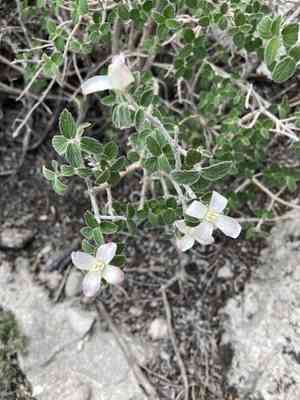
For fourpetal cliffbush, the most efficient propagation technique involves rooting stem sections. Choose vigorous stems and execute precise cuts directly beneath a leaf joint. Submerge the severed ends in a rooting compound prior to inserting them into a substrate that drains effectively. Keep the soil consistently damp and supply diffused illumination. Steady atmospheric moisture and warmth foster successful root development, guaranteeing the new specimens cultivate strong root networks.
Optimal Time for Fourpetal Cliffbush Propagation
Propagation Method
Cutting
Propagation Period
Autumn,Winter
Tools for Fourpetal Cliffbush Propagation
Sharp Pruning Shears
Utilized for taking clean cuttings from fourpetal cliffbush. Essential for making precise cuts without harming the plant, which aids in promoting healthy growth from the cuttings.
Rooting Hormone
Assists in the root formation of fourpetal cliffbush cuttings. Encourages quicker and stronger root development, increasing the likelihood of successful propagation.
Propagation Tray with Humidity Dome
Offers a regulated environment for fourpetal cliffbush cuttings. Maintains ideal humidity and temperature, vital for the delicate initial stages of rooting.
Sterile Potting Mix
Provides a clean, disease-free medium for fourpetal cliffbush cuttings. Ensures that the young roots can grow without competition from weeds or pathogens.
Misting Bottle
Keeps the foliage of fourpetal cliffbush cuttings moist without saturating the soil. Prevents dehydration, important for cuttings as they develop roots.
Heat Mat
Maintains consistent warmth at the base of fourpetal cliffbush cuttings. Promotes root growth by providing the ideal temperature, especially in cooler climates.
Labeling Tape and Waterproof Marker
Used to label cuttings of fourpetal cliffbush for identification. Ensures organized tracking of propagation progress and prevents mix-ups.
How to Propagate Fourpetal Cliffbush?
Propagation Difficulty
Moderately Difficult
Caring for Your Newly Propagated Fourpetal Cliffbush
Caring for Your Newly Propagated Fourpetal Cliffbush
Post-propagation, ensure fourpetal cliffbush is situated in a spot receiving partial to full sunlight. Keep soil consistently moist, allowing it to dry slightly between waterings. Lightly fertilize with a balanced, slow-release product during the growing season. Prune as needed to maintain shape and remove any dead or diseased branches. Regularly check for pests and diseases, treating them promptly if detected.
Common Propagation Errors to Avoid with Fourpetal Cliffbush
Overwatering
Excessive moisture can lead to root rot. Fourpetal cliffbush prefers well-drained soil and can suffer if its roots remain waterlogged.
Incorrect Soil Type
Using heavy, clayey soil that retains too much water can hinder root development. Fourpetal cliffbush thrives in well-draining, sandy or rocky soil.
Not Providing Adequate Sunlight
Insufficient light exposure can be detrimental. Fourpetal cliffbush requires full sun to partial shade for optimal growth and health.
Improper Cutting Techniques
Failing to use clean, sharp tools or cutting the plant incorrectly can lead to infections and poor propagation outcomes.
Neglecting Temperature Control
Exposing fourpetal cliffbush to temperatures that are too extreme (either too hot or too cold) can significantly reduce the chances of successful propagation.
Tips For Propagating Fourpetal Cliffbush
Utilize Well-Drained Soil
Ensure the soil is well-draining by mixing in sand or perlite to prevent root rot and promote healthy root development.
Provide Adequate Sunlight
Place fourpetal cliffbush in a location where it receives plenty of sunlight, ideally full sun to partial shade, to support vigorous growth.
Use Clean, Sharp Tools
When taking cuttings, always use sterilized, sharp tools to make clean cuts and minimize the risk of infections.
Temperature Management
Keep fourpetal cliffbush in an environment with moderate temperatures. Avoid temperature extremes to ensure stable growth conditions.
Moisture Control
Water sparingly, ensuring that the soil is moist but not waterlogged. Allow the top layer of soil to dry out between watering sessions to avoid root issues.



