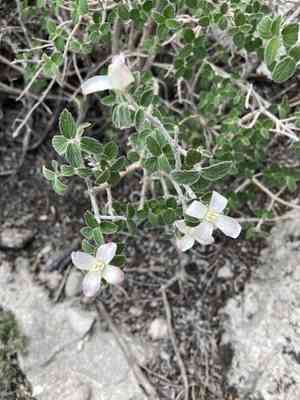
Fourpetal cliffbush (Jamesia tetrapetala)
Also known as: None
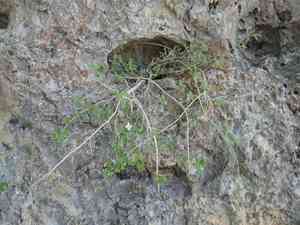
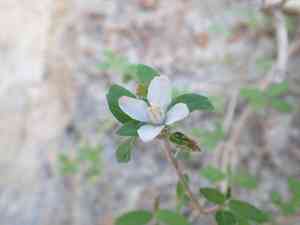
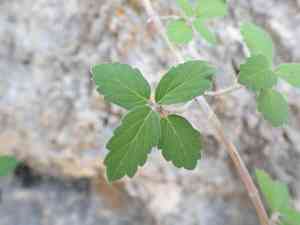
The Fourpetal cliffbush (Jamesia tetrapetala) is noted for its distinctive four-petaled white flowers, which are a hallmark of the species. This shrub generally reaches heights of 3-6 feet and features oval, serrated leaves that grow in opposite pairs. It is well-adapted to rocky, well-drained soils and is typically found in mountainous regions of the southwestern United States. Favoring elevations between 5,000 and 9,000 feet, the Fourpetal cliffbush thrives in sunny to partially shaded areas, often growing on cliff faces, rocky outcrops, and canyon walls, adding a subtle yet noticeable charm to its rugged surroundings.
In This Article
Attributes of Fourpetal cliffbush
Lifespan
Perennial
Plant Type
Shrub
Plant Height
0.5 - 1.5 meters
Spread
0.5 - 1 meter
Leaf Color
Green
Flower Size
1-2 centimeters
Flower Color
White
Images of Fourpetal cliffbush
Quickly Identify Fourpetal cliffbush
1
Jamesia tetrapetala can be identified by its four-petaled white flowers and its oval, opposite leaves. The shrub generally grows in rocky, cliff-like habitats, which can also help in identification.
Scientific Classification of Fourpetal cliffbush
Phylum
Vascular plants
Class
Dicotyledons
Order
Cornales
Family
Hydrangea
Genus
Jamesia
Species
Fourpetal cliffbush
Planting and Growing of Fourpetal cliffbush
Care Difficulty
Moderate
Watering Schedule
Every 2 days
Sunlight Requirements
Full sun
Sunshine Duration
6-12 hours
Ideal Temperature
60-70℉
Soil Type
Potting Mix, Peat Mix
Soil pH
6.5-7.5
Fertilizer Type
Balanced
Pruning Season
Spring, Summer
Pruning Area
Branches, Leaves
Pruning Frequency
2 times a year
Repotting Season
Spring
Pot Type
Plastic, Terracotta
 How to Water Fourpetal cliffbush?
Jamesia tetrapetala prefers deep but infrequent watering, ensuring the soil is thoroughly soaked without becoming waterlogged. Aim for about 500 ml of water per session, allowing each watering to penetrate deeply to encourage root growth.
What are the symptoms of an underwatered Fourpetal cliffbush?
›
What should I do if my Fourpetal cliffbush is not getting enough water?
›
What are the symptoms of an overwatered Fourpetal cliffbush?
›
How to save an overwatered Fourpetal cliffbush?
›
 What Are the Sunlight Requirements for Fourpetal cliffbush?
Jamesia tetrapetala flourishes under full to partial sun conditions. This lighting encourages vibrant foliage and robust seasonal blooms, enhancing the plant's aesthetic appeal and overall health.
Optimal Daily Sunlight
›
Balancing Light Levels
›
Improved Growth Outcomes
›
 What Is the Ideal Temperature Range for Fourpetal cliffbush?
For optimal growth, Jamesia tetrapetala thrives between 60°F and 70°F. Keeping the temperature within this range ensures robust health and vibrant blooms, as it closely mimics their natural environment.
 What Soil is Best for Fourpetal cliffbush?
Jamesia tetrapetala thrives in well-drained soil, preventing root rot and ensuring optimal nutrient uptake. Proper drainage helps avoid waterlogging, a condition that this plant is particularly sensitive to. This plant does best in moderately fertile soil. Such soil promotes healthy growth by providing essential nutrients without the threat of overwhelming the plant with excessive nutrient levels. Jamesia tetrapetala often prefers soil that is slightly on the alkaline side, which supports its metabolic processes and enhances its overall vitality.
 How to Fertilize Fourpetal cliffbush?
For Jamesia tetrapetala, use a balanced liquid fertilizer diluted to half strength during the growing season. Typically, aim for about 1/4 cup of diluted mixture per plant. Be careful not to over-fertilize as this can damage the plant's roots.
 How to Prune Fourpetal cliffbush?
Look for branches that are dead, diseased, or crossing over others. By removing these, you encourage healthy growth and better air circulation through the plant. When cutting, angle the shears slightly, making cuts just above a bud or lateral branch. This technique promotes new growth and prevents dieback. Start at the base and work your way up. Remove old or damaged stems, deadhead the flowers, and finally shape the plant from the top down.
 How to Propagate Fourpetal cliffbush plant?
1
Collect seeds from mature plants and clean them properly. Soak seeds in water for 24 hours to soften the outer coat, which can speed up germination.
2
Choose healthy, disease-free branches to take cuttings from. Ensure each cutting is around 3-5 inches long and has at least two leaves to facilitate photosynthesis and growth.
3
Dip the cut end in rooting hormone, then plant them into a moistened potting mix. Maintain humidity around the cuttings using a plastic cover or a humidifying dome.
 How to Repot Fourpetal cliffbush plant?
1
Repot your Jamesia tetrapetala when you see roots growing out of the drainage holes or the plant appears root-bound with decreased growth. Signs such as wilting, slow growth, or water not retaining in the pot are indications that repotting is needed.
2
Choose a pot that is one size larger than the current one, with ample drainage holes. This allows for healthy root expansion and prevents water from stagnating, reducing the risk of root rot.
3
Opt for a lightweight, well-drained potting mix. Ensure it is rich in organic matter to support optimal nutrient uptake and moisture retention, creating an environment conducive to healthy growth.
Learn More About Fourpetal cliffbush Diseases
Anthracnose
Bacterial Leaf Spot
Bacterial Soft Rot
Bacterial Wilt
Black Spot
Chemical Injury
Crown Gall
Damping-off
Downy Mildew
Drought Stress
Fusarium Wilt
Gray Mold
Leaf Curl
Leaf Spot
Mosaic
Nutrient Deficiency
Nutrient Toxicity
Powdery Mildew
Root Rot
Root-knot Nematode
Rusts
Sooty Mold
Spider Mites
Temperature Stress
Thrips Damage
White Mold



