How to Propagate Ridgetop bloodgrass?
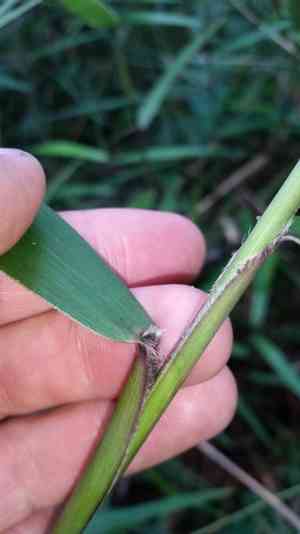
Ridgetop bloodgrass is a adaptable, compact perennial grass recognized for its appealing crimson leaves, frequently employed for decorative uses. Reproduction is effectively accomplished via division. This entails meticulously splitting the plant into smaller portions, making sure each possesses adequate roots and stems, and transplanting these segments into soil with good drainage. This technique fosters robust new development and aids in preserving the plant's vivid look.
When Is the Optimal Period to Propagate Ridgetop Bloodgrass?
Propagation Method
Division
Propagation Season
Spring,Autumn
What Implements Are Utilized in Ridgetop Bloodgrass Propagation?
Garden Spade
A garden spade is crucial for separating ridgetop bloodgrass. Employ it to carefully excavate the clump without harming the roots. Its sharp edge aids in making clean cuts, ensuring minimal plant trauma.
Hori Hori Knife
The hori hori knife is a versatile tool beneficial during the division process. Its serrated edge is excellent for cutting through dense, fibrous root systems of ridgetop bloodgrass, facilitating clean splits for replanting.
Pruning Shears
Pruning shears are useful for trimming any damaged or diseased portions of ridgetop bloodgrass during division. Keeping plants free from compromised foliage promotes faster recovery and healthier growth post-division.
Root Saw
A root saw might be necessary for particularly tough or large ridgetop bloodgrass clumps. This tool enables precise and clean cuts through thicker roots, assisting in successful division.
Potting Containers
Following division, potting containers are required to house each separated ridgetop bloodgrass clump. They should be suitably sized to allow for initial growth and root establishment.
Sterilizing Solution
Sterilizing tools before and after use reduces the chance of disease spread. A simple solution, such as rubbing alcohol or diluted bleach, ensures tools remain clean and safe for use with ridgetop bloodgrass.
Gardening Gloves
Gardening gloves protect hands during the division process. They provide a better grip and prevent injuries from cutting tools or rough root systems while handling ridgetop bloodgrass.
Watering Can
A watering can delivers gentle irrigation to the newly potted ridgetop bloodgrass divisions. Consistent moisture is vital during the initial stages of re-establishment.
How to Propagate Ridgetop Bloodgrass?
Propagation Type
Easy
How to Nurture Your Newly Propagated Ridgetop Bloodgrass?
How to Nurture Your Newly Propagated Ridgetop Bloodgrass?
After propagation, observe the divided sections for successful establishment. Water regularly, maintaining soil moisture without over-saturating. Provide full to partial sun exposure and ensure good air circulation around the plants. Fertilize lightly if needed, and watch for pests or diseases, addressing any issues promptly to ensure the healthy growth of ridgetop bloodgrass.
Common Errors to Avoid When Propagating Ridgetop Bloodgrass
Overwatering
Excessive moisture can lead to root rot and other fungal ailments, hindering the plant's development and survival.
Poor Soil Drainage
Utilizing soil that retains too much water can suffocate the roots and cause inadequate oxygenation, ultimately harming the plant.
Improper Light Conditions
Failing to provide sufficient sunlight can result in stunted growth and weakened plant vitality.
Lack of Air Circulation
Placing the plant in an area with poor airflow can heighten the risk of fungal infections and pests.
Using Unhealthy Cuttings
Attempting to propagate from weak or diseased cuttings decreases the likelihood of successful propagation and healthy growth.
Advice For Propagating Ridgetop Bloodgrass
Moderate Watering
Ensure the soil is kept moist but not waterlogged. Allow the top layer to dry slightly between watering.
Well-Draining Soil
Use a soil mix that provides excellent drainage to prevent water stagnation around the roots.
Adequate Sunlight
Ridgetop bloodgrass thrives in bright, indirect light. Ensure it receives ample light without direct sun exposure to avoid leaf burn.
Good Air Circulation
Place the plant in a location with good airflow to minimize the risk of fungal diseases and pest infestations.
Healthy Cutting Selection
Choose robust and disease-free cuttings for propagation to increase the chances of successful rooting and growth.



