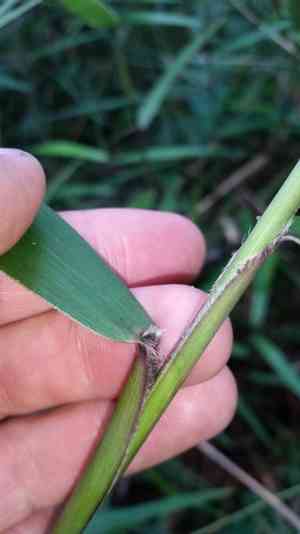
Ridgetop bloodgrass (Isachne distichophylla)
Ridgetop bloodgrass, known for its striking red-tipped foliage, generally exhibits a clumping growth habit rather than creeping. It thrives in full sun to partial shade and prefers well-drained soils with moderate moisture. While it can tolerate less fertile soils, it flourishes best in slightly acidic to neutral pH conditions. The plant's fine, grass-like blades are not only visually appealing but also contribute to its resilience. Ideal for temperate to subtropical climates, Ridgetop bloodgrass can handle both heat and humidity, making it a versatile choice for various garden settings. Regular watering is recommended, especially during dry periods, to maintain its vibrant appearance.
In This Article
Attributes of Ridgetop bloodgrass
Lifespan
Perennial
Plant Type
Grass
Plant Height
50-100 cm
Spread
Not applicable
Leaf Color
Green
Flower Size
1-2 mm
Flower Color
Greenish or whitish
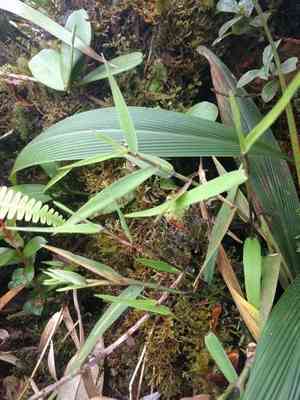
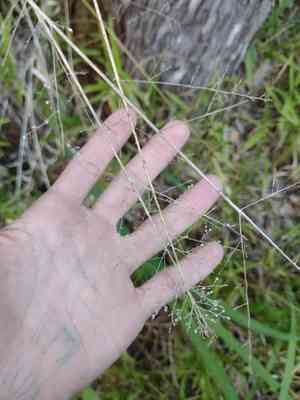
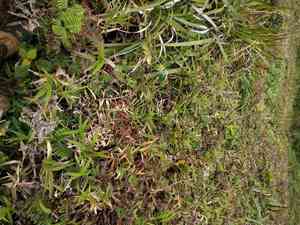
Images of Ridgetop bloodgrass
Quickly Identify Ridgetop bloodgrass
1
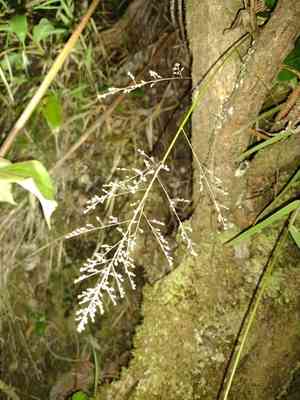
Isachne distichophylla can be identified by its linear, lance-shaped leaves, and small, inconspicuous flowers arranged in panicles. The plant usually forms dense clumps.
Scientific Classification of Ridgetop bloodgrass
Phylum
Vascular plants
Class
Monocotyledons
Order
Poales
Family
Grass
Genus
Bloddgrasses
Species
Ridgetop bloodgrass
Planting and Growing of Ridgetop bloodgrass
Care Difficulty
Moderate
Watering Schedule
Every 2 days
Sunlight Requirements
Partial sun
Sunshine Duration
4-6 hours
Ideal Temperature
65-75℉
Soil Type
Potting Mix, Peat Mix
Soil pH
6.5-7.5
Fertilizer Type
Balanced
Pruning Season
Spring, Summer
Pruning Area
Branches, Leaves
Pruning Frequency
2 times a year
Repotting Season
Spring
Pot Type
Ceramic, Plastic
 How to Water Ridgetop bloodgrass?
For Isachne distichophylla, it's crucial to keep the soil consistently moist without waterlogging it. Aim to provide around 500 ml per watering session, ensuring the water permeates evenly throughout the soil but doesn't stagnate. This will encourage healthy root growth and prevent root rot.
What are the symptoms of an underwatered Ridgetop bloodgrass?
›
What should I do if my Ridgetop bloodgrass is not getting enough water?
›
What are the symptoms of an overwatered Ridgetop bloodgrass?
›
How to save an overwatered Ridgetop bloodgrass?
›
 What Are the Sunlight Requirements for Ridgetop bloodgrass?
Isachne distichophylla flourishes in partial sun; ideally, it achieves peak health with dappled sunlight. Optimal lighting conditions encourage robust growth, vibrant foliage, and resilience against environmental stresses.
How much light does Isachne distichophylla need?
›
What light-related adjustments can improve Isachne distichophylla's growth?
›
How to ensure Isachne distichophylla receives optimal light throughout the year?
›
 What Is the Ideal Temperature Range for Ridgetop bloodgrass?
The ideal temperature range for cultivating Isachne distichophylla is between 65°F and 75°F. Maintaining this range is crucial for promoting healthy growth and ensuring the plant's physiological processes are most efficient. In this climate, the plant can optimally synthesize food, absorb nutrients, and manage its water needs effectively, leading to a robust and resilient growth pattern.
 What Soil is Best for Ridgetop bloodgrass?
Isachne distichophylla thrives best in soils with good drainage. Proper drainage prevents root rot, ensuring the plant's roots receive ample oxygen, thereby promoting healthy growth. Nutrient-rich loam soil supports Isachne distichophylla's lush growth by providing essential minerals and organic matter that contribute to its vibrant foliage and resilience against pests. A balance in moisture retention ensures that the plant remains hydrated without the risk of waterlogging, which is essential for maintaining vigorous growth in various climates.
 How to Fertilize Ridgetop bloodgrass?
For Isachne distichophylla, it is crucial to apply the right amount to avoid nutrient imbalance. Use liquid fertilizers at a concentration of 1/2 recommended strength, ensuring soil moisture is maintained during application. For slow-release fertilizers, distribute evenly over the soil surface with approximately 1-2 kg per square meter.
 How to Prune Ridgetop bloodgrass?
Begin by locating any dead or diseased leaves and stems. Removing these areas will enhance overall plant health and promote better aesthetics. Carefully trim back any areas that have grown excessively, focusing on maintaining the plant’s natural shape and allowing sunlight to reach all parts. Trim the inner parts of the plant to enhance air circulation, which helps prevent fungal infections and supports robust growth.
More About Pruning Techniques→
 How to Propagate Ridgetop bloodgrass plant?
1
Collect seeds from mature Isachne distichophylla plants. Ensure the seeds are dry and free from any plant debris or pests before storing them in a cool, dry place until planting.
2
Sow the seeds in a prepared seed tray filled with a mixture of soil and compost. Press the seeds lightly into the surface and cover with a thin layer of soil.
3
Once the seedlings have developed a few strong leaves, use a garden trowel to gently lift them from the seed tray. Transplant them into larger pots or directly into the garden, ensuring good spacing for growth.
 How to Repot Ridgetop bloodgrass plant?
1
Repot Isachne distichophylla when you notice roots circling the pot's bottom or peeking out of drainage holes. Rapid drainage or poor overall growth also signals that it's time for a new home.
2
Choose a pot that's one to two inches larger in diameter than the current one. A slightly larger pot encourages gradual root growth and reduces the risk of overwatering, providing a stable environment for your plant.
3
Opt for a loamy, well-draining soil that balances water retention with adequate drainage. This type of soil ensures that the roots receive sufficient moisture without the risk of rot, promoting healthy growth.



