How to Propagate Rocklands morning-glory?
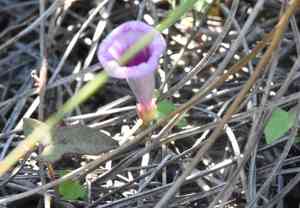
Rocklands morning-glory flourishes in warm climates, needing porous soil and ample sun. When propagating with cuttings, confirm the presence of nodes to encourage root development. Keep the soil damp, yet prevent saturation. Rooting compounds can boost successful rooting. It prefers steady warmth and diffused light during propagation, making enclosed or indoor settings perfect.
When Is the Best Time To Propagate Rocklands Morning-glory?
Propagation Type
Cutting
Propagation Season
Spring,Summer
What Tools Are Used in Rocklands Morning-glory Propagation?
Pruning Shears
Utilized to obtain clean, precise cuttings from rocklands morning-glory. This tool ensures the cuttings remain undamaged during removal, vital for successful rooting.
Rooting Hormone
Assists in the development of roots from rocklands morning-glory cuttings. This substance is applied to the cut end before planting, encouraging quicker, stronger root growth.
Propagation Trays
Offer a controlled environment for rocklands morning-glory cuttings. These trays help manage spacing, drainage, and overall conditions to optimize cutting health and root development.
Sterile Growing Medium
Provides a disease-free environment for rocklands morning-glory cuttings to establish roots. The medium typically contains peat, perlite, and/or vermiculite, balancing moisture retention and aeration.
Humidity Dome
Maintains elevated humidity levels around rocklands morning-glory cuttings. This is crucial for preventing dehydration and fostering root development in the initial stages.
Heating Mat
Helps maintain a consistent warm temperature beneath rocklands morning-glory propagation trays. This promotes faster rooting by providing ideal soil warmth.
Spray Bottle
Used to mist rocklands morning-glory cuttings. Keeping the foliage damp without over-saturating the medium helps prevent desiccation and creates a favorable microenvironment for rooting.
Labeling Stakes
Essential for tracking various batches of rocklands morning-glory cuttings. Accurate labeling aids in monitoring progress and ensuring proper record-keeping for care and adjustments.
How to Propagate Rocklands Morning-glory?
Propagation Type
Moderately Difficult
How to Care for Your Newly Propagated Rocklands Morning-glory?
How to Care for Your Newly Propagated Rocklands Morning-glory?
After successful rooting, gradually acclimate rocklands morning-glory to its future environment by removing the plastic cover over several days. Transplant the growing plant to a larger pot with well-draining soil once robust root systems are observed. Water sparingly, allowing the top inch of soil to dry between waterings. Provide full sun to partial shade exposure and protect from frost. Regularly check for pests and diseases, ensuring the plant remains healthy and thriving.
Common Mistakes to Avoid When Propagating Rocklands Morning-glory
Overwatering
Excessive moisture can lead to root rot, which can severely harm rocklands morning-glory and impede its growth.
Improper Soil Mix
Using dense or poorly draining soil can suffocate the roots and restrict nutrient uptake, critical for rocklands morning-glory's survival.
Inadequate Sunlight
Placing rocklands morning-glory in low light conditions can hinder its growth and decrease the success rate of propagation.
Incorrect Cutting Technique
Using dull tools or making improper cuts can damage plant tissues, reducing the likelihood of successful rooting.
Tips For Propagating Rocklands Morning-glory
Moderate Watering
Water rocklands morning-glory just enough to keep the soil moist but not waterlogged, preventing root rot while ensuring hydration.
Well-Draining Soil
Use a mix of sandy soil and organic compost to create an environment that supports proper drainage and nutrient availability for rocklands morning-glory.
Optimal Light
Place rocklands morning-glory in an area where it can receive bright, indirect light to promote healthy growth without the risk of intense sun damage.
Sharp, Sterile Tools
Utilize clean, sharp pruning shears or a knife to make clear, precise cuts, minimizing damage and increasing the success rate of cuttings.



