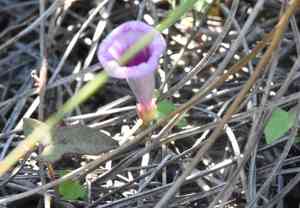
Rocklands morning-glory (Ipomoea tenuissima)
Also known as: N/A
Rocklands morning-glory is a slender, twining plant that flourishes in warm, sunny settings. It features heart-shaped leaves and small, trumpet-like flowers that are usually pink or purple, often blooming in clusters. This plant thrives in well-drained, rocky or sandy soils, typical of pine rockland habitats. Its ability to elegantly climb over structures and other vegetation makes it a charming addition to gardens and natural landscapes.
In This Article
Attributes of Rocklands morning-glory
Lifespan
Perennial
Plant Type
Vine, Herb
Plant Height
0.5–1.2 meters
Spread
N/A
Leaf Color
Green
Flower Size
1-2 cm
Flower Color
White or light pink
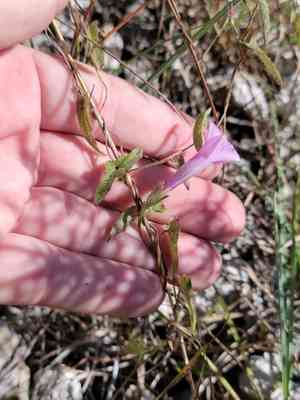
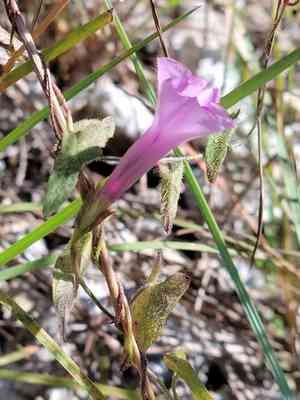
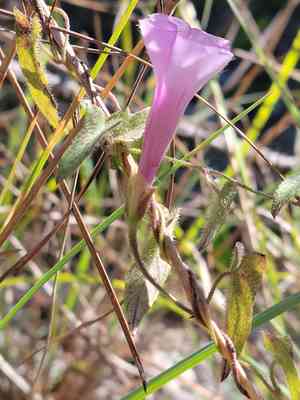
Images of Rocklands morning-glory
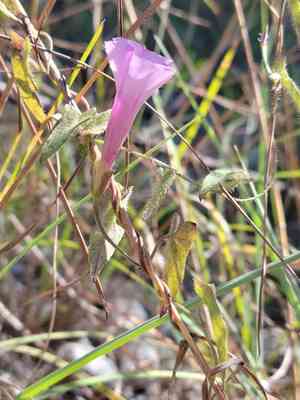
Quickly Identify Rocklands morning-glory
1
Look for its thin, thread-like stems and narrow, delicate leaves. The flowers are typically small and can be identified by their funnel shape.
Scientific Classification of Rocklands morning-glory
Phylum
Vascular plants
Class
Dicotyledons
Order
Solanales
Family
Morning-glory
Genus
Morning glories
Species
Rocklands morning-glory
Planting and Growing of Rocklands morning-glory
Care Difficulty
Easy
Watering Schedule
Every 2 days
Sunlight Requirements
Partial sun
Sunshine Duration
4-6 hours
Ideal Temperature
65-75℉
Soil Type
Potting Mix, Peat Mix
Soil pH
6.5-7.5
Fertilizer Type
Balanced
Pruning Season
Spring, Summer
Pruning Area
Branches, Leaves
Pruning Frequency
2 times a year
Repotting Season
Spring
Pot Type
Plastic, Ceramic
 How to Water Rocklands morning-glory?
When watering Ipomoea tenuissima, it is crucial to ensure the soil is evenly moist without becoming waterlogged. Water approximately 200 ml at a time, enough to thoroughly moisten the top few inches of soil. Before the next watering, allow the top layer of soil to dry out slightly to let the roots breathe.
What are the symptoms of an underwatered Rocklands morning-glory?
›
What should I do if my Rocklands morning-glory is not getting enough water?
›
What are the symptoms of an overwatered Rocklands morning-glory?
›
How to save an overwatered Rocklands morning-glory?
›
 What Are the Sunlight Requirements for Rocklands morning-glory?
Partial sun is ideal for Ipomoea tenuissima, integrating morning sunlight with afternoon shade to optimize growth and blooming capabilities, enriching its structural integrity and nutrient absorption.
What are the best lighting conditions for Ipomoea tenuissima?
›
How to achieve optimal lighting for Ipomoea tenuissima?
›
Benefits of providing ideal lighting conditions to Ipomoea tenuissima?
›
 What Is the Ideal Temperature Range for Rocklands morning-glory?
For optimal growth, Ipomoea tenuissima thrives best when kept within a temperature range of 65°F to 75°F. This range supports its metabolic processes and encourages healthy development. Maintaining this temperature ensures that the plant absorbs nutrients efficiently and maintains a steady rate of growth.
 What Soil is Best for Rocklands morning-glory?
Ipomoea tenuissima prefers soil with excellent drainage to prevent root rot. Well-drained soil ensures that the roots receive adequate oxygen which is essential for healthy growth. The plant thrives in soil with moderate fertility, as overly rich soil can lead to excessive foliage with fewer flowers. Balanced fertility provides just enough nutrients to support vibrant blooms. Soil that allows for air movement is crucial for the plant’s root development. Proper aeration prevents compaction and supports the aerobic microorganisms essential for nutrient cycling.
 How to Fertilize Rocklands morning-glory?
For Ipomoea tenuissima, it's important to use fertilizers sparingly to mimic the nutrient levels found in its natural habitat. When using liquid fertilizers, dilute it to about 1/4 of the usual concentration. For slow-release fertilizers, apply approximately one teaspoon per plant annually.
 How to Prune Rocklands morning-glory?
Begin by assessing the overall structure of the plant. Use sharp, clean pruning shears to trim back any overgrown or tangled vines. Focus on cutting just above a leaf node to encourage new branching. Remove any dead or diseased stems to keep the plant healthy. Pruning should be done consistently to avoid stressing the plant. To manage the vigorous growth of Ipomoea tenuissima, periodically trim the top growth to keep the height in check. This also promotes lateral branching, giving the plant a fuller appearance. Be careful to not over-prune, as this can lead to reduced flowering.
More About Pruning Techniques→
 How to Propagate Rocklands morning-glory plant?
1
To propagate Ipomoea tenuissima from seeds, start by soaking them in warm water for 12-24 hours. This mimics natural processes and aids in breaking down the seed coat, promoting faster germination.
2
Select healthy, non-flowering stems and cut approximately 4 to 6 inches in length. Remove the leaves from the lower half of each cutting to reduce water loss during the rooting process.
3
Sow seeds in seed trays filled with a well-draining potting mix. Similarly, insert cuttings into a perlite or sand mix. Ensure cuttings are planted deep enough to support themselves upright.
 How to Repot Rocklands morning-glory plant?
1
Look for signals like stunted growth, roots peeking out of the drainage holes, or soil drying out too fast. These signs indicate that the plant has outgrown its current pot and needs more room to flourish.
2
Opt for a pot that's one size larger than the current one with excellent drainage holes. This ensures the roots do not suffocate and makes room for the plant to grow, preventing overwatering and subsequent root rot.
3
Select a well-draining sandy loam soil. This type of soil ensures that water does not pool around the roots while providing sufficient nutrients and aeration, fostering healthy root growth and plant development.
Toxicity
ingestion
WARNING
The judgment on toxicity and danger is for reference only. We DO NOT GUARANTEE any accuracy of such judgment. Therefore, you SHALL NOT rely on such judgment. It is IMPORTANT TO SEEK PROFESSIONAL ADVICE in advance when necessary.
Learn More About Rocklands morning-glory Diseases
Anthracnose
Bacterial Leaf Spot
Bacterial Wilt
Chemical Injury
Damping-off
Downy Mildew
Drought Stress
Fusarium Wilt
Gray Mold
Leaf Curl
Leaf Spot
Mosaic
Nutrient Deficiency
Nutrient Toxicity
Powdery Mildew
Root Rot
Root-knot Nematode
Rusts
Sooty Mold
Spider Mites
Temperature Stress
Thrips Damage
White Mold



