How to Propagate Hydrangea heteromalla?
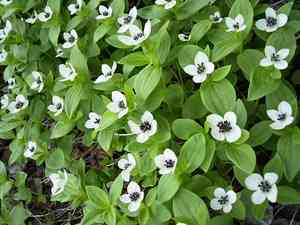
Hydrangea heteromalla is a deciduous bush recognized for its appealing floral groupings and garden versatility. Reproducing hydrangea heteromalla via cuttings yields good results; utilize semi-ripe cuttings and embed them in adequately draining, damp substrate. Sustain steady moisture and warmth to foster root formation. Guaranteeing ample air movement and preventing excessive watering is vital. Regular observation for indications of root emergence will enhance successful outcomes.
Optimal Period for Hydrangea Heteromalla Propagation
Propagation Method
Cutting
Propagation Period
Spring,Summer
Tools Required for Hydrangea Heteromalla Propagation
Pruning Shears
Pruning shears are vital for obtaining healthy cuttings from hydrangea heteromalla. They deliver a clean cut, minimizing the risk of damage and disease, thus ensuring the cuttings' viability for propagation.
Rooting Hormone
Rooting hormone stimulates root development in plant cuttings. Applying this hormone to hydrangea heteromalla cuttings promotes quicker and stronger root growth, increasing the likelihood of successful propagation.
Propagation Tray with Humidity Dome
A propagation tray with a humidity dome establishes a controlled environment for cuttings. It maintains elevated humidity levels, which is crucial for hydrangea heteromalla to reduce water loss and enhance the survival rates of new cuttings.
Sterilized Growing Medium
Utilizing a sterilized growing medium, such as a blend of perlite and peat, offers a disease-free setting for hydrangea heteromalla cuttings. This fosters healthy root development by mitigating the risk of fungal infections.
Heating Mat
A heating mat positioned beneath the propagation tray helps sustain a consistent and ideal temperature for root development. This is particularly advantageous for hydrangea heteromalla, as a warm environment encourages more rapid root formation.
Labeling Stakes
Labeling stakes are important for tracking different varieties or propagation dates in larger operations. They ensure each hydrangea heteromalla cutting can be monitored accurately, assisting in the management of their growth and development.
How to Propagate Hydrangea Heteromalla?
Propagation Difficulty
Moderately Easy
Caring for Your Newly Propagated Hydrangea Heteromalla
Caring for Your Newly Propagated Hydrangea Heteromalla?
Once the cutting has rooted, gradually introduce it to normal humidity by removing the plastic bag over about a week. Transplant when significant root growth is visible. Consistent watering to keep the soil moist and providing partial to full sun exposure will help the plant flourish. Regularly check for pests or diseases.
Common Errors to Avoid When Propagating Hydrangea Heteromalla
Improper Soil Mix
Using a soil that holds too much water or is too dense can lead to root rot.
Overwatering
Excessive watering can cause roots to suffocate and decay, killing the cuttings.
Incorrect Cutting Technique
Taking cuttings that are too large or too small can impede root development.
Poor Lighting Conditions
Either too much direct sunlight or insufficient light can stress the cuttings.
Ignoring Humidity Levels
Low humidity can cause cuttings to dry out and fail to root.
Tips for Propagating Hydrangea Heteromalla
Use Well-Draining Soil
A mix with perlite or sand ensures excess water drains, preventing root rot.
Monitor Watering
Keep the soil moist but not waterlogged to encourage healthy root growth.
Take Healthy Cuttings
Select robust stems about 4-6 inches long to maximize rooting success.
Provide Indirect Light
Hydrangea heteromalla thrives in bright, indirect light to support photosynthesis without stress.
Maintain High Humidity
Cover cuttings with a plastic bag or use a misting system to keep humidity levels elevated.



