Hydrangea heteromalla(Hydrangea heteromalla)

Hydrangea heteromalla (Hydrangea heteromalla)

Also known as: Woolly Hydrangea, Himalayan Hydrangea

Hydrangea heteromalla, known as Himalayan hydrangea, is a deciduous shrub that can grow up to 3 meters tall and wide. It features:

- **Leaves**: Broad, heart-shaped leaves with a slightly hairy underside.
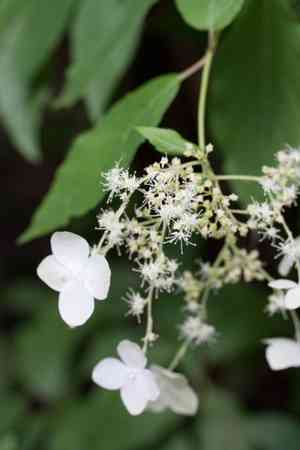
- **Flowers**: Lacecap blooms with small fertile flowers encircled by larger, showy sterile ones. These flowers transition from white to pink as they mature.
- **Form**: Grows with a bushy habit.

**Growing Requirements**:

- **Light**: Prefers dappled sunlight, mimicking its natural woodland habitat.
- **Soil**: Requires moist, well-drained soil.
- **Water**: Needs regular watering, particularly during dry spells.
- **Soil pH**: Flower color can change based on soil pH, adding to its visual interest.
- **Pruning**: Best pruned after flowering to maintain its shape and remove any dead or damaged wood.

These conditions support the optimal growth and aesthetic appeal of Hydrangea heteromalla.

Attributes of Hydrangea heteromalla

Lifespan
Perennial
Plant Type
Shrub
Plant Height
2.5 m to 4.5 m
Spread
3 m
Leaf Color
Green
Flower Size
Up to 20 cm (8 inches)
Flower Color
White, turning pink or red with age

ForwardPlant - Identify plants with a snap

Identify and diagnose plants, get toxicity alerts, and explore safety guides for all types of fungi.

Try for Free

Images of Hydrangea heteromalla

Hydrangea heteromalla(Hydrangea heteromalla)

Quickly Identify Hydrangea heteromalla

1
Look for large, ovate leaves with a slightly rough surface and finely serrated edges. The flower clusters are large, often starting white and aging to pink or red. The stems may have a woolly texture, especially when young.

Scientific Classification of Hydrangea heteromalla

Phylum
Vascular plants
Class
Dicotyledons
Order
Dogwoods, hydrangeas, and allies
Family
Hydrangea
Genus
Hydrangeas
Species
Hydrangea heteromalla

Planting and Growing of Hydrangea heteromalla

Care Difficulty
Moderate
Watering Schedule
Every 4 days
Sunlight Requirements
Partial sun
Sunshine Duration
4-6 hours
Ideal Temperature
60-70℉
Soil Type
Potting Mix, Peat Mix
Soil pH
5.5-6.5
Fertilizer Type
Balanced
Pruning Season
Spring, Summer
Pruning Area
Branches, Leaves
Pruning Frequency
2 times a year
Repotting Season
Spring
Pot Type
Terracotta, Plastic

water icon How to Water Hydrangea heteromalla?

Hydrangea heteromalla prefers a deep and thorough watering approach. Aim to provide around 1000 milliliters per session. Ensure the water reaches deep into the soil, encouraging roots to grow deeper, which enhances the plant's overall strength and resilience. A thorough soak allows for better hydration and reduces the risk of dry pockets in the soil.
What are the symptoms of an underwatered Hydrangea heteromalla?
What should I do if my Hydrangea heteromalla is not getting enough water?
What are the symptoms of an overwatered Hydrangea heteromalla?
How to save an overwatered Hydrangea heteromalla?

sunlight icon What Are the Sunlight Requirements for Hydrangea heteromalla?

Sunlight Requirements: Partial sun, Full sun
Duration of light: 4-6 hours daily
Hydrangea heteromalla thrives in partial to full sun conditions, preferably with morning sun and afternoon shade. Ideal light conditions enhance flowering and maintain healthy leaf color and structure.
How much sunlight does Hydrangea heteromalla need?
What are the ideal locations for planting?
What benefits does ideal lighting bring?

temperature icon What Is the Ideal Temperature Range for Hydrangea heteromalla?

Ideal Temperature: 60 ~ 70℉
The ideal temperature range for Hydrangea heteromalla is between 60°F and 70°F. This range allows for optimal growth and flowering. Temperatures within this range help maintain leaf health and promote vibrant blooms.

soil icon What Soil is Best for Hydrangea heteromalla?

Soil type: Loam, Sandy loam, Acidic soil
Soil PH: 5.5 ~ 6.5
Hydrangea heteromalla thrives best in nutrient-rich soil that allows for ample root growth and development. This nutritional abundance reduces stress on the plant and promotes vigorous flowering and foliage. Ensuring that the soil is well-drained prevents waterlogging, which can lead to root rot. This characteristic enhances the plant's overall health by maintaining optimal moisture levels. While good drainage is key, the soil should still retain enough moisture. This helps sustain the plant during dry spells and ensures consistent hydration.

fertilize icon How to Fertilize Hydrangea heteromalla?

Fertilizer type: Balanced
For Hydrangea heteromalla, an ideal amount of fertilizer involves using a balanced, water-soluble fertilizer, diluted to half its strength. During the active growing periods, use about 1 tablespoon per gallon of water. This approach ensures the plant receives adequate nutrients without the risk of over-fertilization.

prune icon How to Prune Hydrangea heteromalla?

Pruning Time: Spring, Autumn
Start by spotting dead, damaged, or diseased wood in the early stages of growth and prune them out. This will help in maintaining the plant's shape and direct nutrients towards healthier branches. Prune some of the older branches from the base to encourage new shoots. While doing so, be careful to maintain the plant's natural shape. This encourages better air circulation and new, healthy growth. When shaping Hydrangea heteromalla, aim to open the center, allowing sunlight to penetrate, which aids in flower production. Maintain a balance between aesthetic appeal and promoting the plant's vitality.

propagate icon How to Propagate Hydrangea heteromalla plant?

Propagate Time: Spring,Early summer
1
Choose healthy, semi-hardwood branches from the Hydrangea heteromalla as cuttings. Ensure each cutting is about 6 inches long and has a few leaves at the top to maximize photosynthesis after planting.
2
Use a well-draining mix composed of equal parts peat and perlite. This combination provides adequate aeration and retains enough moisture to facilitate root formation.
3
Place the prepared cutting into the soil so that it stands upright. Firmly press the soil around the base of the cutting, ensuring it's stable. Water initially and place in a bright, indirect environment.
More About Propagating Techniques

repot icon How to Repot Hydrangea heteromalla plant?

Repotting frequency: Every 2-3 years
1
Watch for signals like slow growth, roots growing out of the drainage holes, or soil that's drying out too quickly. These are clear indicators that your Hydrangea heteromalla is ready for repotting. The best time to do this is in spring or autumn when the plant is not in full bloom.
2
Select a pot that is one size larger than the current one with good drainage holes. A slightly larger pot accommodates root growth and prevents waterlogging, helping to mimic the plant's natural environment. This leads to healthier growth and prevents root rot.
3
Opt for a well-draining, acidic soil mix rich in organic matter. This type of soil provides the necessary nutrients for growth and maintains the right pH level, essential for the health and vibrant bloom of Hydrangea heteromalla.

ForwardPlant - Identify plants with a snap

Find the best spots for them to optimize their health, simply using your phone.

Try for Free