How to Propagate Pacific hulsea?
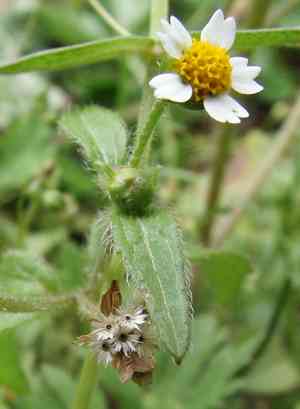
Hulsea californica, commonly found in high-altitude grasslands and stony inclines, thrives in soil that drains effectively and receives abundant solar exposure. To propagate, disperse seeds into a prepared seedbed or containers filled with a free-draining substrate. Ensure the growing medium stays damp without becoming saturated. Employing a cold stratification technique can improve the rate of successful germination. Gently relocate the young plants to their final spot once they are robust enough. Consistently inspect for infestations and illnesses to ensure vigorous development.
Optimal Time for Pacific Hulsea Propagation
Propagation Method
Seeding
Propagation Period
Spring
Tools Required for Pacific Hulsea Propagation
Seed Trays
Designed for starting pacific hulsea seeds, these trays offer a structured setting for germination. They facilitate easy oversight and upkeep of ideal moisture levels.
Humidity Dome
A humidity dome assists in sustaining consistent moisture and elevated temperatures, both vital for the successful germination of pacific hulsea seeds.
Seed Starting Mix
A premium seed starting mix guarantees good drainage and air circulation while providing a sterile environment to ward off diseases. This is crucial for the delicate pacific hulsea seedlings.
Spray Bottle
A spray bottle is utilized to gently mist the soil, keeping it uniformly damp without disturbing the pacific hulsea seeds, which is essential during the initial germination phases.
Heat Mat
A heat mat positioned beneath the seed trays can deliver steady bottom heat, accelerating the germination process and ensuring uniform growth for pacific hulsea.
Seedling Light or Grow Light
Supplying extra light ensures that pacific hulsea seedlings receive adequate illumination for photosynthesis, fostering robust growth, especially if natural light is scarce.
How to Propagate Pacific Hulsea?
Propagation Type
Simple
Post-Propagation Care for Pacific Hulsea
Post-Propagation Care for Pacific Hulsea
Following transplanting, irrigate pacific hulsea regularly to establish roots, but ensure the soil remains well-drained to prevent root rot. Apply mulch around the base to retain moisture and suppress weeds. Fertilize sparingly with a low-nitrogen feed. Monitor for pests and diseases, addressing any issues promptly. Prune as needed to maintain the plant's form and to remove any dead or diseased foliage.
Common Errors to Avoid When Propagating Pacific Hulsea
Overwatering
Excessive watering can lead to root rot, which is particularly problematic for pacific hulsea as it prefers well-drained soil. This can result in plant demise or stunted development.
Using Poor Soil
Employing soil that is too dense or retains too much moisture can cause similar problems as overwatering, suffocating the roots and hindering proper growth.
Improper Light Conditions
Placing pacific hulsea in insufficient light conditions can impede its growth. This plant requires ample sunlight to flourish.
Neglecting Temperature Needs
Failing to maintain the appropriate temperature range can stress the plant, making it more susceptible to disease and inhibiting successful propagation.
Tips For Propagating Pacific Hulsea
Use Well-Draining Soil
Ensure that the soil mix drains effectively to prevent water retention, which can cause root rot. A blend with sand or perlite can help improve drainage.
Monitor Watering
Water the plant sparingly, allowing the soil to dry out between waterings. This prevents waterlogging and promotes healthy root development.
Provide Full Sunlight
Place pacific hulsea in a location where it can receive full, direct sunlight for the majority of the day. This is crucial for its growth and vigor.
Control Temperature
Maintain a stable temperature range suitable for pacific hulsea. Avoid exposing the plant to extreme temperatures and sudden fluctuations to ensure healthy growth.



