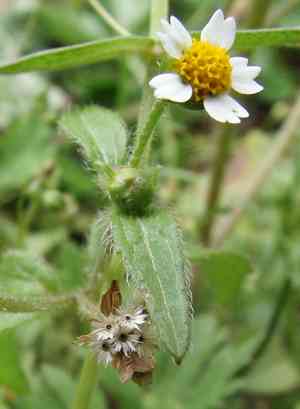
Pacific hulsea (Hulsea algida)
Also known as: Alpine hulsea
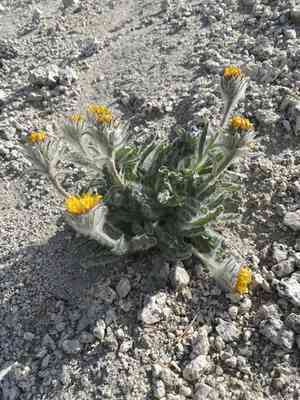
The Pacific hulsea (Hulsea vestita) is an alpine perennial that excels in surviving cold, rocky terrains. This resilient plant produces vibrant yellow or orange daisy-like flowers, which stand out in its sparse habitat. Its narrow leaves are specifically adapted to conserve water and withstand freezing temperatures. The plant's growth in dense clusters helps it endure harsh mountain conditions by reducing exposure to extreme weather. These key features enable the Pacific hulsea to flourish in its challenging environment.
In This Article
Attributes of Pacific hulsea
Lifespan
Perennial
Plant Height
10 cm to 41 cm
Spread
N/A
Leaf Color
Green, often with a silvery tint due to fine hairs
Flower Size
1-3 cm (0.4-1.2 inches)
Flower Color
Bright yellow
Images of Pacific hulsea
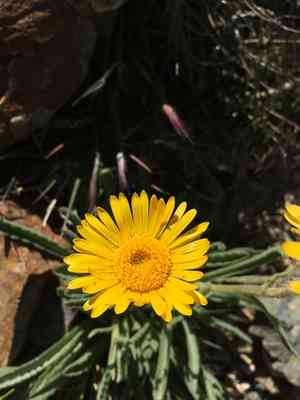
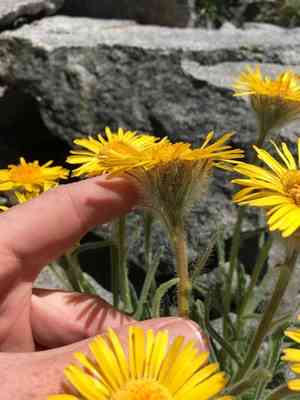
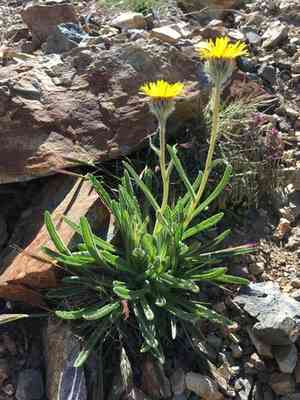
Quickly Identify Pacific hulsea
1
Hulsea algida can be identified by its basal rosette of leaves, its woody, branched stems that bear yellow, daisy-like flowers with numerous, long, slender petals. The leaves are generally long, narrow, and covered in fine hairs.
Scientific Classification of Pacific hulsea
Phylum
Vascular plants
Class
Dicotyledons
Order
Asterales
Family
Daisy
Genus
Alpinegold
Species
Pacific hulsea
Planting and Growing of Pacific hulsea
Care Difficulty
Hard
Watering Schedule
Every 2 days
Sunlight Requirements
Full sun
Sunshine Duration
3-6 hours
Ideal Temperature
50-68℉
Soil Type
Potting Mix, Peat Mix
Soil pH
6.5-7.5
Fertilizer Type
Balanced
Pruning Season
Spring, Summer
Pruning Area
Branches, Leaves
Pruning Frequency
2 times a year
Repotting Season
Spring
Pot Type
Plastic, Ceramic
 How to Water Pacific hulsea?
Hulsea algida prefers well-drained soil and moderate watering. Ensure the soil dries out slightly between watering, but do not let it become bone dry. Approximately 250 milliliters at a time should suffice. The soil should feel moist about an inch deep, not soggy.
What are the symptoms of an underwatered Pacific hulsea?
›
What should I do if my Pacific hulsea is not getting enough water?
›
What are the symptoms of an overwatered Pacific hulsea?
›
How to save an overwatered Pacific hulsea?
›
 What Are the Sunlight Requirements for Pacific hulsea?
Hulsea algida thrives best under full sun to partial sun, receiving 5-8 hours of sunlight. Ideal light encourages vibrant blooming and ensures robust growth optimized for its alpine nature.
Best Time for Sun Exposure
›
Protection in Harsh Weather
›
Positioning for Optimal Growth
›
 What Is the Ideal Temperature Range for Pacific hulsea?
For optimal growth, Hulsea algida thrives in moderate temperatures ranging from 50°F to 68°F. This range ensures sufficient warmth while avoiding stress due to excessive heat or cold, promoting healthy photosynthesis and growth.
 What Soil is Best for Pacific hulsea?
Hulsea algida thrives in well-drained soil because it prevents waterlogging which can lead to root rot. This soil condition allows the roots to access necessary nutrients without drowning in excess moisture, promoting healthier growth. This plant prefers a nutrient-rich substrate, which provides essential nutrients like nitrogen, phosphorus, and potassium. These nutrients are vital for strong stem development, vibrant blooms, and overall plant vitality. While it needs well-drained soil, maintaining moderate moisture retention is crucial. This balance ensures the plant stays hydrated, particularly in arid conditions, supporting consistent and robust growth.
 How to Fertilize Pacific hulsea?
For Hulsea algida, the fertilizer amount should be modest. This plant thrives in nutrient-poor environments, so a little goes a long way. Use a dilute liquid fertilizer at half strength, applying only enough to moisten the soil without causing excess runoff.
 How to Prune Pacific hulsea?
To prune Hulsea algida effectively, first ensure you have clean, sharp tools. Begin by removing any dead or damaged stems to promote overall plant health. Next, trim overgrown branches to maintain the plant's shape and allow better air circulation and sunlight penetration. Focus on pruning just above a leaf node to encourage new growth. Focus on creating a balanced shape by selectively thinning dense growth areas. Cut back excessive lateral branches to promote upward growth and encourage a fuller appearance. This also prevents diseases by reducing moisture buildup and improves overall plant vigor.
More About Pruning Techniques→
 How to Propagate Pacific hulsea plant?
1
Before sowing, soak the seeds of Hulsea algida in water for 24 hours to soften the seed coat, promoting better germination rates.
2
Select a healthy stem and make a clean cut using sharp pruners. Ensure the cutting is about 4-6 inches long and remove any lower leaves.
3
Plant the seeds or cuttings in a well-draining mix. Keep the medium moist and place the container in a sunny spot to encourage growth.
 How to Repot Pacific hulsea plant?
1
Hulsea algida should be repotted when you notice its growth stagnating, indicating the roots have filled the pot. Additionally, if you see roots emerging from the drainage holes or the soil drying out rapidly, it's time to consider repotting.
2
Choose a pot that is just one size larger than the current one. Ensure it has adequate drainage holes to prevent waterlogging, which can lead to root rot. A slightly larger pot gives roots room to grow without overwhelming the plant with too much soil that can retain excess moisture.
3
Select a well-draining sandy mix to mimic Hulsea algida's natural rocky habitat. This ensures proper aeration and limits water retention, crucial for preventing root rot and fostering healthy growth. A gritty texture helps roots to anchor securely as well.



