How to Propagate Meadow bird's foot trefoil?
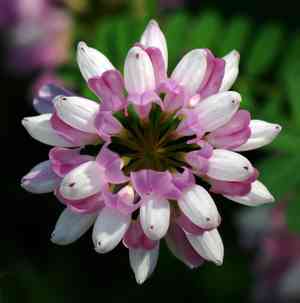
Lotus corniculatus, a perennial herbaceous plant, originates from areas in the western United States. To multiply this species, plant its seeds in a potting blend that drains effectively. Confirm the location gets plenty of sunshine and irrigate sparingly to keep the substrate uniformly damp, yet not oversaturated. It's recommended to gently abrade the seeds to improve their sprouting success. Effective seed reproduction fosters vigorous development and can result in a more brilliant exhibition of its yellow blossoms.
Optimal Period for Propagating Meadow Bird's Foot Trefoil
Propagation Method
Seeding
Propagation Period
Spring
Equipment Utilized in Meadow Bird's Foot Trefoil Propagation
Seed Tray
Seed trays offer a regulated setting for germinating meadow bird's foot trefoil seeds. They are perfect for guaranteeing uniform seed distribution and simplifying moisture level observation.
Potting Mix
A premium potting mix is crucial for supplying the vital nutrients and proper drainage that meadow bird's foot trefoil seeds require to sprout and develop robust root systems.
Spray Bottle
A spray bottle aids in gently watering meadow bird's foot trefoil seeds without disturbing the substrate, ensuring consistent moisture levels essential for seed germination.
Humidity Dome
A humidity dome positioned over the seed tray maintains elevated humidity, which benefits meadow bird's foot trefoil seed germination by preventing rapid soil desiccation.
Seedling Heat Mat
A seedling heat mat placed beneath the seed tray provides warmth from below, fostering quicker and more consistent germination of meadow bird's foot trefoil by sustaining an ideal temperature range.
Plant Labels
Plant labels serve to track various batches of meadow bird's foot trefoil seeds, minimizing confusion and ensuring precise monitoring of the propagation process.
Method for Propagating Meadow Bird's Foot Trefoil
Propagation Difficulty
Simple
Post-Propagation Care for Your Meadow Bird's Foot Trefoil
Post-Propagation Care for Your Meadow Bird's Foot Trefoil
Following transplanting, ensure seedlings receive ample sunlight, as meadow bird's foot trefoil thrives in full sun. Water plants regularly, allowing the soil to dry slightly between waterings to avert root rot. Apply a balanced, slow-release fertilizer during the growth period to support healthy development. Mulching around the plant bases can help retain moisture and suppress weeds. Monitor for pests and diseases, addressing any issues promptly to maintain the vitality of the meadow bird's foot trefoil.
Frequent Errors to Avoid When Propagating Meadow Bird's Foot Trefoil
Excessive Watering
Too much water can lead to root decay and fungal infections, potentially killing cuttings or young plants before root establishment.
Using unsuitable soil
Soil that is too dense or overly rich in nutrients can suffocate roots or hinder proper drainage, resulting in poor propagation outcomes.
Planting cuttings too deeply
Inserting cuttings excessively deep can lead to insufficient oxygen reaching the roots, causing them to fail to establish.
Neglecting cleanliness
Utilizing unsterilized tools or contaminated soil can introduce pests and diseases, undermining propagation efforts.
Disregarding light requirements
Insufficient or excessive light can impede growth or scorch young plants, hindering successful propagation.
Advice for Propagating Meadow Bird's Foot Trefoil
Water management
Ensure soil is well-drained and only slightly moist, avoiding waterlogging to prevent root rot.
Soil selection
Utilize a light, sandy, and well-draining soil mixture to encourage robust root formation.
Depth control
Plant cuttings superficially, just enough to keep them upright, ensuring good air circulation for root development.
Sterilization
Sanitize tools and use pest-free soil to create a healthy environment for cuttings.
Light positioning
Place in bright, indirect sunlight to provide sufficient energy without scorching the delicate new growth.



