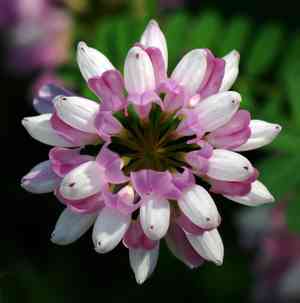
Meadow bird's foot trefoil (Hosackia pinnata)
Also known as: Meadow Lotus, Spanish Clover
The plant you're referring to is likely the silver wattle, a perennial tree known for its feathery, pinnate leaves that sway elegantly on tall branches. This species showcases clusters of delicate yellow flowers, adding vibrant color to its native coastal and mountainous environments. Flourishing in well-drained soils, the silver wattle prospers in sunny, open areas, with its extensive root system helping it withstand challenging conditions and efficiently manage water.
In This Article
Attributes of Meadow bird's foot trefoil
Lifespan
Perennial
Plant Type
Herb
Plant Height
20 cm to 46 cm
Spread
Not applicable
Leaf Color
Green
Flower Size
1-2 cm
Flower Color
Yellow
Images of Meadow bird's foot trefoil
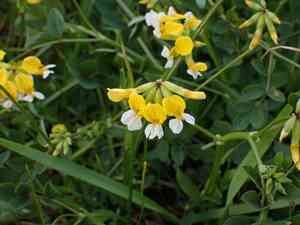
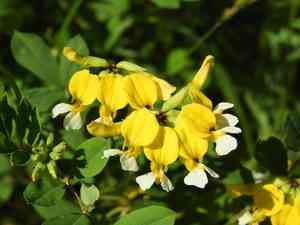
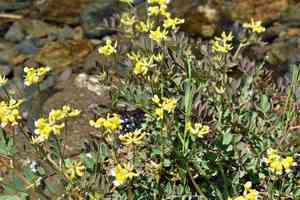
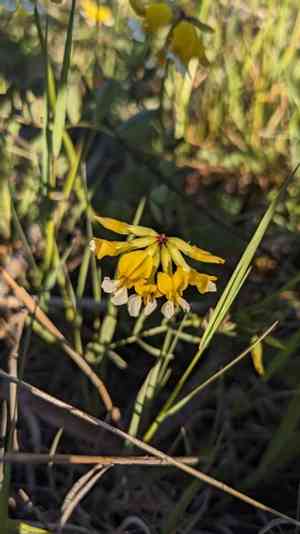
Quickly Identify Meadow bird's foot trefoil
1
Hosackia pinnata can be identified by its feathery, pinnate leaves and bright yellow, pea-like flowers. The plant often forms a low, spreading mat and has a distinctive, clover-like appearance.
Scientific Classification of Meadow bird's foot trefoil
Phylum
Vascular plants
Class
Dicotyledons
Order
Fabales
Family
Legume
Genus
Hosackia
Species
Meadow bird's foot trefoil
Planting and Growing of Meadow bird's foot trefoil
Care Difficulty
Moderate
Watering Schedule
Every 4 days
Sunlight Requirements
Full sun
Sunshine Duration
6-10 hours
Ideal Temperature
60-75℉
Soil Type
Potting Mix, Peat Mix
Soil pH
6.5-7.5
Fertilizer Type
Balanced
Pruning Season
Spring, Summer
Pruning Area
Branches, Leaves
Pruning Frequency
2 times a year
Repotting Season
Spring
Pot Type
Ceramic, Plastic
 How to Water Meadow bird's foot trefoil?
The watering amount for Hosackia pinnata should be approximately 250 milliliters per session. The principle behind this is to keep the soil consistently moist but not waterlogged, allowing the topsoil to dry slightly between waterings. This mimics the plant's natural habitat where it receives moderate rainfall.
What are the symptoms of an underwatered Meadow bird's foot trefoil?
›
What should I do if my Meadow bird's foot trefoil is not getting enough water?
›
What are the symptoms of an overwatered Meadow bird's foot trefoil?
›
How to save an overwatered Meadow bird's foot trefoil?
›
 What Are the Sunlight Requirements for Meadow bird's foot trefoil?
Hosackia pinnata thrives best under full to partial sun conditions. Ensuring 4 to 6 hours of sunlight enhances its vibrancy and encourages frequent blooming. Optimal sunlight ensures balanced growth, preventing both dehydration and poor health.
What is the best light intensity for its optimal growth?
›
What's the impact of too much sun exposure?
›
How does light exposure affect its flowering?
›
 What Is the Ideal Temperature Range for Meadow bird's foot trefoil?
Hosackia pinnata thrives in a temperature range of 60°F to 75°F. This range ensures optimal metabolic processes and photosynthesis, facilitating healthy growth and development. Sustaining these temperatures provides the plant with the best chance to exhibit its characteristic lush foliage and vibrant blooms. Keeping the environment within this range helps prevent temperature stress and supports overall plant health.
 What Soil is Best for Meadow bird's foot trefoil?
Hosackia pinnata thrives in nutrient-rich soil. Ensuring the soil has ample organic matter provides the plant with essential nutrients for growth, resulting in more vibrant foliage and robust health. Proper drainage is key for Hosackia pinnata, as excessive moisture can lead to root rot. A well-draining soil prevents waterlogging, enabling the roots to breathe and promoting healthy growth. While good drainage is important, the soil must also retain enough moisture to keep the plant hydrated. A balance in moisture retention supports the plant's growth and helps it endure dry spells.
 How to Fertilize Meadow bird's foot trefoil?
Hosackia pinnata, known for its vibrant pinnate leaves, requires careful fertilization to thrive. Use a balanced liquid fertilizer diluted to half strength, around 10 ml per liter, applied evenly to avoid over-fertilization.
 How to Prune Meadow bird's foot trefoil?
Begin your pruning by removing all dead or damaged stems back to the base. This encourages new growth and helps the plant allocate resources more efficiently. Prune back branches to maintain a balanced shape. Remove excess growth from overcrowded areas to ensure sunlight and air can penetrate the entire plant, which prevents disease. For a fuller appearance, trim the ends of longer branches. This will encourage the plant to produce more side shoots, resulting in a bushier form.
More About Pruning Techniques→
 How to Propagate Meadow bird's foot trefoil plant?
1
Begin by selecting healthy seeds from a reliable source. Soak the seeds in water for 24 hours to break dormancy and improve germination rates. This process helps soften the seed coat, making it easier for the seed to sprout.
2
Choose a healthy parent plant and take cuttings of about 3-4 inches in length. Use sharp pruning shears to make clean cuts just below a node. Remove lower leaves to reduce moisture loss, preserving the plant's ability to root effectively.
3
Plant seeds or cuttings in a well-draining soil mix and keep them in a warm, bright location. Water gently to keep the soil moist but not waterlogged. Consistent moisture is crucial during the early stages to facilitate successful germination or root formation.
 How to Repot Meadow bird's foot trefoil plant?
1
Look for signs such as roots circling the pot or emerging from drainage holes, or when the plant's growth seems stunted. These are clear indicators that it's time to give your Hosackia pinnata a more comfortable home.
2
Choose a pot that is 1-2 inches larger in diameter than the current one. Ensure it has good drainage holes to prevent waterlogging, which can lead to root rot. A slightly bigger pot provides room for growth without overwhelming the plant.
3
Opt for a well-draining sandy loam with good organic matter. This type of soil ensures proper aeration and drainage, critical for reducing root diseases and promoting healthy growth in your Hosackia pinnata.
Toxicity
Ingestion
WARNING
The judgment on toxicity and danger is for reference only. We DO NOT GUARANTEE any accuracy of such judgment. Therefore, you SHALL NOT rely on such judgment. It is IMPORTANT TO SEEK PROFESSIONAL ADVICE in advance when necessary.
Learn More About Meadow bird's foot trefoil Diseases
Anthracnose
Bacterial Leaf Spot
Bacterial Wilt
Crown Gall
Cyst Nematode
Damping-off
Downy Mildew
Drought Stress
Fusarium Wilt
Gray Mold
Leaf Curl
Leaf Spot
Mosaic
Nutrient Deficiency
Nutrient Toxicity
Powdery Mildew
Root Rot
Root-knot Nematode
Rusts
Sooty Mold
Spider Mites
Temperature Stress
Thrips Damage
White Mold
Chemical Injury



