How to Propagate Kilauea hau kuahiwi?
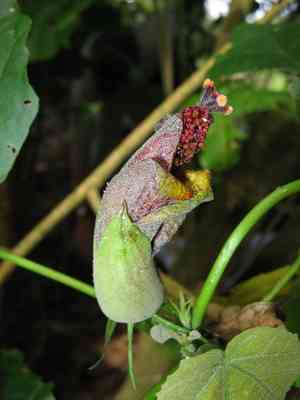
Kilauea hau kuahiwi, a threatened Hawaiian shrub, is recognized for its distinctive blossoms. For propagation, sever semi-lignified stems and utilize a growing medium with excellent drainage. Maintain steady hydration, avoiding saturation. Rooting compounds can boost the likelihood of success. Robust, pathogen-free donor plants are essential for optimal outcomes. Protect nascent plants from severe environmental elements.
Optimal Period for Kilauea Hau Kuahiwi Propagation
Propagation Type
Cutting
Propagation Season
Autumn,Winter
Tools Required for Kilauea Hau Kuahiwi Propagation
Sharp Pruning Shears
Utilized for taking precise cuttings from the parent plant, minimizing harm and ensuring clean cuts, vital for healthy rooting of kilauea hau kuahiwi.
Rooting Hormone
Encourages quicker root formation in cuttings. This is especially helpful for kilauea hau kuahiwi to ensure successful propagation and establishment of new plants.
Propagation Trays
Offers a regulated setting for cuttings to root. Guarantees kilauea hau kuahiwi cuttings have ideal conditions for moisture, air circulation, and temperature.
Sterile Potting Mix
Provides a disease-free medium that supports rooting and growth. It's crucial for kilauea hau kuahiwi as contamination can lead to failure in propagation.
Plastic Domes or Humidity Tents
Maintains elevated humidity levels, essential for preventing desiccation of cuttings and fostering successful root emergence in kilauea hau kuahiwi.
Heating Mat
Keeps the soil at an ideal temperature, critical for stimulating root growth and ensuring kilauea hau kuahiwi cuttings develop successfully.
Label Stakes
Assists in identifying and tracking various cuttings. This is useful for monitoring progress and avoiding mix-ups during kilauea hau kuahiwi propagation.
Sterilizing Solution
Ensures tools are free from diseases before use. Maintaining a disease-free environment is vital for the health and success of kilauea hau kuahiwi cuttings.
Method for Propagating Kilauea Hau Kuahiwi
Propagation Type
Moderately Difficult
Post-Propagation Care for Kilauea Hau Kuahiwi
Post-Propagation Care for Kilauea Hau Kuahiwi
Once rooted, gradually introduce kilauea hau kuahiwi to its regular environment by removing the plastic cover. Ensure it receives partial sunlight, and water sparingly, allowing the soil to partially dry out between waterings to prevent root rot. Fertilize monthly with a balanced, diluted liquid fertilizer to support healthy growth. Monitor for pests and diseases, stepping up care as needed to maintain a robust plant.
Common Errors to Avoid When Propagating Kilauea Hau Kuahiwi
Overwatering
Excess moisture can lead to root rot and other fungal diseases, which are detrimental to kilauea hau kuahiwi's health and propagation success.
Underestimating humidity
Insufficient humidity levels can cause leaf desiccation and hinder root development, leading to failure in propagation.
Incorrect soil mixture
Using a soil mix that retains too much water or lacks proper aeration can impair root growth and increase the risk of diseases.
Ignoring pest control
Not monitoring for pests can result in infestations that damage young plants and impede their growth.
Improper light conditions
Providing either too much harsh sunlight or insufficient light can stress the plant, reducing its vigor and successful propagation chances.
Advice for Propagating Kilauea Hau Kuahiwi
Moderate watering
Water the cutting just enough to maintain slight moisture without saturating the soil, preventing root rot.
Maintaining high humidity
Use a humidity dome or mist regularly to keep the air around the cutting moist, which aids in leaf and root development.
Well-draining soil mix
Employ a mix of perlite, peat, and sand to ensure adequate drainage and aeration, promoting healthy root growth.
Regular pest checks
Inspect the plant often for pests and use appropriate organic controls to keep them at bay, securing a healthy growth environment.
Indirect light exposure
Place the plant where it can receive bright, indirect light to boost its energy for growth without causing leaf burn.



