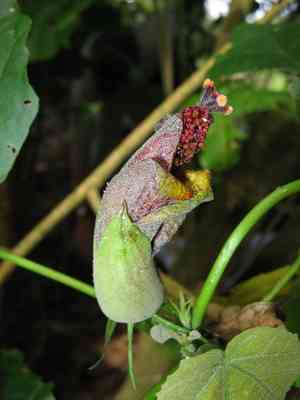
Kilauea hau kuahiwi (Hibiscadelphus giffardianus)
Also known as: Hau kuahiwi
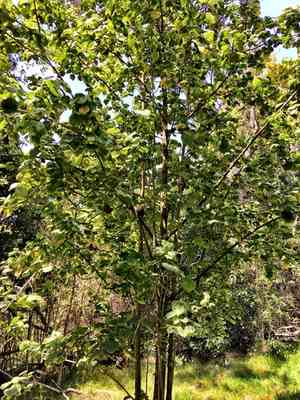
Kilauea hau kuahiwi (Hibiscadelphus giffardianus) is an uncommon tree species indigenous to the volcanic landscapes of Hawaii. It is characterized by its heart-shaped leaves and striking yellow to greenish-yellow blossoms, which may turn purplish as they age. This tree thrives in dry to moderately wet forests, often situated on volcanic soils at elevations ranging from 1,000 to 2,000 feet. It typically grows in well-drained areas with ample sunlight, often taking root in sheltered spots to avoid harsh winds and intense sunlight. Conservation efforts are crucial for this species due to its critical endangerment, primarily caused by habitat loss and invasive species.
In This Article
Attributes of Kilauea hau kuahiwi
Lifespan
Perennial
Plant Type
Tree
Plant Height
3.5 m to 11 m
Spread
2-3 meters
Leaf Color
Green
Flower Size
3-4 cm
Flower Color
Yellow, turns purplish-brown
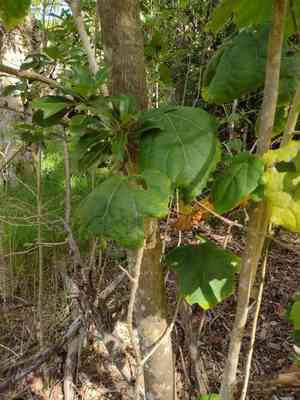
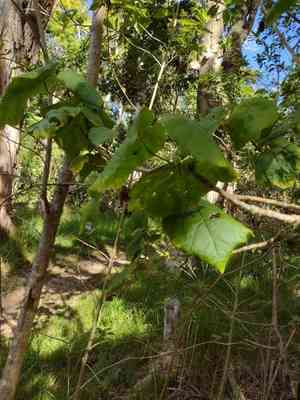
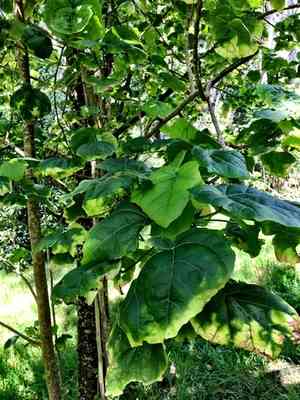
Images of Kilauea hau kuahiwi
Quickly Identify Kilauea hau kuahiwi
1
The plant can be identified by its green heart-shaped leaves, yellow flowers that eventually turn purplish-brown, and its distinctive, dome-shaped tree form.
Scientific Classification of Kilauea hau kuahiwi
Phylum
Vascular plants
Class
Dicotyledons
Order
Malvales
Family
Mallow
Genus
Hibiscadelphus
Species
Kilauea hau kuahiwi
Planting and Growing of Kilauea hau kuahiwi
Care Difficulty
Hard
Watering Schedule
Every 2 days
Sunlight Requirements
Partial sun
Sunshine Duration
6-12 hours
Ideal Temperature
68-86℉
Soil Type
Potting Mix, Peat Mix
Soil pH
6.5-7.5
Fertilizer Type
Balanced
Pruning Season
Spring, Summer
Pruning Area
Branches, Leaves
Pruning Frequency
2 times a year
Repotting Season
Spring
Pot Type
Plastic, Ceramic
 How to Water Kilauea hau kuahiwi?
The Hibiscadelphus giffardianus prefers a consistent watering schedule to thrive. Each watering session should involve approximately 500ml of water. Ensure the soil is evenly moist but not soggy to mimic its natural environment, where its roots can breathe while still accessing sufficient moisture. Let the surface of the soil dry slightly before the next watering.
What are the symptoms of an underwatered Kilauea hau kuahiwi?
›
What should I do if my Kilauea hau kuahiwi is not getting enough water?
›
What are the symptoms of an overwatered Kilauea hau kuahiwi?
›
How to save an overwatered Kilauea hau kuahiwi?
›
 What Are the Sunlight Requirements for Kilauea hau kuahiwi?
Hibiscadelphus giffardianus thrives best with partial sun exposure, receiving 4-6 hours of filtered light. This enhances photosynthesis, optimizes growth, and encourages healthy flowering, maintaining its aesthetic and biological balance.
What is the ideal light condition?
›
How to achieve ideal lighting?
›
Benefits of ideal light?
›
 What Is the Ideal Temperature Range for Kilauea hau kuahiwi?
The ideal temperature range for Hibiscadelphus giffardianus is between 68°F and 86°F. This range promotes optimal growth and flowering, ensuring the plant receives the appropriate amount of warmth without overheating. Maintaining temperatures within this range facilitates healthy physiological processes and leads to vibrant foliage and blooms.
 What Soil is Best for Kilauea hau kuahiwi?
Hibiscadelphus giffardianus thrives best in well-drained soil, preventing water from pooling, which can lead to root rot. A well-draining soil provides necessary oxygen to the roots, enhancing nutrient uptake and promoting robust growth. Incorporating organic matter like compost helps in improving the soil structure by increasing its fertility and moisture retention capabilities, providing Hibiscadelphus giffardianus with a steady supply of nutrients essential for its flourishing bloom. Maintaining moderate moisture levels is crucial for this plant. The soil should not be overly wet or completely dry, ensuring that Hibiscadelphus giffardianus remains hydrated without suffering from water stress, sustaining healthy leaf and flower development.
 How to Fertilize Kilauea hau kuahiwi?
Applying fertilizer to Hibiscadelphus giffardianus requires moderation. Use a balanced liquid fertilizer, such as a 10-10-10 NPK formula, at half the recommended strength to avoid nutrient burn. For slow-release fertilizers, a small handful (about 40-50 grams) around the base of the plant will suffice.
 How to Prune Kilauea hau kuahiwi?
Begin by inspecting the shrub for dead or diseased branches. These should be removed first to prevent the spread of disease. Next, identify any branches that cross or rub against each other, as these can cause wounds and allow pests and diseases to enter. Use sharp, clean pruning shears to make a clean cut at a 45-degree angle, about 1/4 inch above a bud that is facing the direction you want new growth to proceed. This encourages the plant to grow outward and maintains its natural shape.
More About Pruning Techniques→
 How to Propagate Kilauea hau kuahiwi plant?
1
Begin by filling a seed tray with a well-draining seed-starting mix. Sow the seeds at a shallow depth and cover lightly with soil. Water gently to keep the soil moist but not waterlogged. Place the tray in a warm, bright location, avoiding direct sunlight.
2
In early spring, use sharp pruning shears to take cuttings from the parent plant. Each cutting should be 4-6 inches long and include at least three leaves. Remove the leaves from the bottom half before potting into a moist rooting medium.
3
Once seedlings have grown strong roots and 4-5 true leaves, they can be transplanted. Choose individual pots with good drainage, filled with rich potting soil. Acclimate seedlings gradually to outdoor conditions before planting in the garden.
 How to Repot Kilauea hau kuahiwi plant?
1
Hibiscadelphus giffardianus should be repotted when roots outgrow the pot, visibly creeping through drainage holes. Leaf yellowing and reduced growth are signs, especially in spring when the plant enters active growth. Early signs of distress like wilting, despite watering, indicate the roots need more space. Spring through summer is optimal, allowing plant recovery and acclimatization. Avoid during winter dormancy to prevent stress.
2
Select a pot with adequate drainage holes, slightly larger than the current one to allow growth but not too large to risk waterlogging. Terra cotta pots are ideal because they allow breathability, preventing root rot. The size ensures stability without hindering root expansion, and a good drainage system protects against water accumulation. Ensure the material is durable and fits your aesthetic preferences, providing a practical yet visually appealing home for your plant.
3
Opt for a well-drained, loamy soil such as a cactus mix or a blend with perlite. This soil type prevents water retention, reducing root rot risk. It should balance moisture retention with drainage, providing essential aeration. The loamy composition supports nutrient retention, promoting healthy growth. Adding perlite enhances drainage, while some organic matter aids nutrient supply. The soil structure helps stabilize the plant, supporting roots during repotting shock.
Learn More About Kilauea hau kuahiwi Diseases
Anthracnose
Bacterial Leaf Spot
Bacterial Wilt
Black Spot
Chemical Injury
Crown Gall
Damping-off
Downy Mildew
Drought Stress
Fusarium Wilt
Gray Mold
Leaf Curl
Leaf Spot
Mosaic
Nutrient Deficiency
Nutrient Toxicity
Powdery Mildew
Root Rot
Root-knot Nematode
Rusts
Sooty Mold
Spider Mites
Temperature Stress
Thrips Damage
White Mold



