How to Propagate Needle leaved guinea flower?
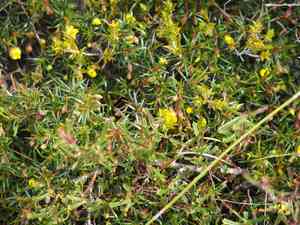
The Needle leaved guinea flower generally flourishes in sandy or porous substrates, characteristic of areas featuring dry sclerophyll woodlands and littoral heaths. Optimal propagation involves utilizing cuttings, specifically robust, semi-lignified sections. Submerge the severed ends in rooting compound and sustain consistent dampness within a well-ventilated substrate to foster root formation. Considering its indigenous environment, establishing a regulated irrigation regimen is crucial to replicate natural circumstances.
Optimal Period for Propagating Needle Leaved Guinea Flower
Propagation Method
Cutting
Propagation Season
Spring,Summer
Tools Required for Needle Leaved Guinea Flower Propagation
Sterile Pruning Shears or Scissors
Utilized for obtaining cuttings from needle leaved guinea flower. Ensure tools are sterilized to prevent pathogen introduction that could harm cuttings. Clean cuts are vital to minimize tissue damage and boost rooting success.
Rooting Hormone
Assists in the rooting process by promoting faster root formation. Dip the severed end of needle leaved guinea flower cuttings into the hormone before planting. This is especially beneficial for enhancing root development in this plant.
Propagation Trays
These offer a controlled setting for cuttings. Fill trays with a well-draining propagation mix suitable for needle leaved guinea flower, ensuring consistent moisture and aeration, crucial for healthy root growth.
Humidity Dome
Maintains elevated humidity levels around cuttings, essential for preventing desiccation and encouraging rooting in needle leaved guinea flower. Helps create a mini-greenhouse effect, retaining moisture without overwatering.
Labeling Tags
Used to identify each cutting with key details like cutting date, plant species, and treatments applied. This aids in tracking progress and simplifies monitoring and managing the propagation process.
Spray Bottle
Mists cuttings to maintain humidity, especially if a humidity dome isn't used. Regular misting keeps cuttings hydrated during the rooting phase, critical for needle leaved guinea flower's specific moisture needs.
Heated Propagation Mat
Supplies bottom heat to propagation trays, enhancing root formation by maintaining an ideal temperature. This is particularly useful in cooler climates to stimulate the rooting process for needle leaved guinea flower.
Sharp Knife or Razor Blade
For making precise cuts on cuttings, ensuring minimal damage and promoting quicker rooting. A sharp blade can be more accurate than shears, important for the delicate stems of needle leaved guinea flower.
Fine Mesh Sieve
Employed to create a fine propagation mix by removing large particles that could hinder root formation. Ensures the medium is uniform and well-aerated, optimal for the delicate roots of needle leaved guinea flower.
Alcohol Wipes
For sanitizing tools before and after use. Essential for maintaining hygiene and preventing the spread of diseases that can affect new needle leaved guinea flower cuttings.
Propagating Needle Leaved Guinea Flower
Propagation Type
Moderately Difficult
Caring for Your Newly Propagated Needle Leaved Guinea Flower
Caring for Your Newly Propagated Needle Leaved Guinea Flower
Once roots have formed, gradually introduce needle leaved guinea flower to less humid conditions by removing the humidity dome or reducing misting. Transplant young plants into individual pots with well-draining soil. Water regularly, allowing the soil to dry slightly between waterings. Provide bright, indirect light and protect from frost. Gradually harden off plants before moving them to their permanent outdoor spot, ensuring suitability to local climate.
Common Errors to Avoid When Propagating Needle Leaved Guinea Flower
Overwatering
Many gardeners provide too much water to needle leaved guinea flower, which can lead to root rot and fungal issues. Needle leaved guinea flower prefers well-draining soil and does not tolerate soggy conditions.
Using Heavy Soil
Planting needle leaved guinea flower in dense, clay-based soil can hinder drainage and air circulation to the roots, resulting in poor growth and potential plant demise.
Improper Cutting Techniques
Taking cuttings from the incorrect part of the plant or using dull tools can lead to low propagation success rates due to damaged or unhealthy cuttings.
Insufficient Light
Propagating needle leaved guinea flower in inadequate light can weaken cuttings and impede root development.
Neglecting Aftercare
Failing to properly care for cuttings post-propagation, such as not maintaining humidity or providing enough nutrients, can result in high mortality rates.
Tips For Propagating Needle Leaved Guinea Flower
Well-Draining Soil
Utilize a mix that ensures good drainage, such as sandy soil or a blend formulated for native plants to prevent water accumulation.
Sterile Cutting Tools
Always use clean, sharp scissors or knives for taking cuttings to minimize disease risk and ensure a clean cut that can heal effectively.
Healthy Plant Selection
Choose robust, disease-free stems from the parent plant for cuttings to maximize the chances of successful rooting and growth.
Bright Indirect Light
Position cuttings in a spot with bright, indirect light to provide the energy needed for root development without stress from excessive heat or direct sun.
Maintain Humidity
Keep cuttings in a humid environment, such as a covered propagator or by misting regularly, to prevent drying out and encourage rooting.



