How to Propagate Little heartleaf?
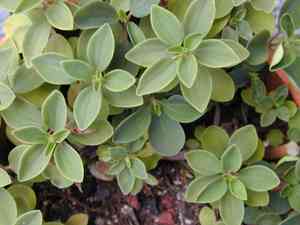
The small heartleaf plant flourishes in dimly lit forest settings where the soil is damp yet drains effectively. To propagate, acquire seeds and plant them in a specialized seed-starting substrate, making sure to provide steady moisture and warmth. Perseverance is crucial, as sprouting could require multiple weeks. Proper nurturing and adherence to these requirements will result in robust plants prepared for incorporation into your garden.
Optimal Period for Little Heartleaf Propagation
Propagation Method
Seeding
Propagation Period
Spring
Essential Tools for Little Heartleaf Propagation
Seed Trays
Seed trays are vital for organizing and nurturing seeds during germination. Their design facilitates easy watering and ensures uniform exposure to favorable conditions for sprouting little heartleaf seeds.
Heated Propagator
A heated propagator helps maintain consistent, warm soil temperatures, which is crucial for little heartleaf seed germination. This tool replicates the natural warm environment seeds need to sprout successfully.
Seed Compost
Utilizing high-quality seed compost provides the necessary nutrients and ideal texture for little heartleaf seed germination. It ensures proper drainage and aeration, essential for seedling health.
Misting Spray Bottle
A misting spray bottle allows for gentle watering, ensuring little heartleaf seeds and seedlings remain moist without becoming waterlogged, thereby preventing damping-off disease.
Transparent Cover or Cloche
A transparent cover or cloche helps maintain humidity and warmth while protecting little heartleaf seedlings from pests and extreme environmental changes, fostering a stable microenvironment for growth.
Seed Dibber
A seed dibber is useful for making precise, uniform holes in the seed compost to the correct depth for sowing little heartleaf seeds. This ensures proper seed placement and promotes uniform germination.
Labels and Markers
Labels and markers are crucial for tracking the sowing date and the little heartleaf species. This becomes particularly important when propagating multiple plant types to avoid confusion.
Fine Mesh Sieve
A fine mesh sieve helps in creating a fine layer of compost over the seeds after sowing, ensuring they are lightly covered and not buried too deeply, which can hinder germination.
How to Propagate Little Heartleaf?
Propagation Type
Simple
How to Care for Your Newly Propagated Little Heartleaf?
How to Care for Your Newly Propagated Little Heartleaf?
Water plants regularly to keep the soil consistently moist but not saturated. Provide partial to full shade, avoiding direct sunlight which can be detrimental. Ensure the area is well-draining to prevent root rot. Mulch around the plant bases to retain soil moisture and suppress weeds. Periodically check for pests and diseases to maintain plant health.
Common Mistakes to Avoid When Propagating Little Heartleaf
Incorrect Soil Type
Using a soil mix that is either too dense or poorly draining can lead to root rot and impede root development.
Overwatering
Excessive watering suffocates roots and causes fungal diseases, reducing the chances of successful propagation.
Insufficient Humidity
Failing to maintain adequate humidity can dry out cuttings or young plants, impairing growth.
Inadequate Light
Exposing cuttings to too much direct sunlight or too little light can stress the plant and impede propagation success.
Tips For Propagating Little Heartleaf
Use Well-Draining Soil
Opt for a soil mix that is light and well-draining to prevent waterlogging and root rot.
Water Wisely
Maintain slight moisture in the soil without overwatering. Allowing the soil to dry out slightly between waterings is beneficial.
Maintain Adequate Humidity
Use a humidity dome or mist regularly to keep the humidity levels high, aiding in root development.
Choose Indirect Light
Place the plant in a location with bright, indirect light to ensure optimal growth without causing stress from direct sunlight.



