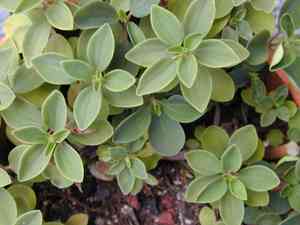
Little heartleaf (Hexastylis minor)
Also known as: Little Heartleaf, Small Heart Leaf Wild Ginger, Small Heartleaf Ginger
The little heartleaf (Hexastylis arifolia) is recognized for its distinctive heart-shaped leaves that release a spicy aroma. The plant's flowers are notably unusual, resembling purplish-brown pitchers that rest horizontally on the ground. This evergreen perennial is native to the southeastern United States and thrives in shady, woodland habitats with rich, moist soil.
In This Article
Attributes of Little heartleaf
Lifespan
Perennial
Plant Height
4 to 8 inches
Spread
0.5 to 1 foot
Leaf Color
Green Variegated
Flower Size
0.5 to 1 inch
Flower Color
Purple Brown White
Images of Little heartleaf
Quickly Identify Little heartleaf
1
Identify Hexastylis minor by looking for its small, leathery, heart-shaped leaves that grow close to the ground. The leaves are evergreen and have a distinct glossy appearance. The flowers are urn-shaped, greenish-brown, and often hidden under the foliage.
Scientific Classification of Little heartleaf
Phylum
Vascular plants
Class
Dicotyledons
Order
Piperales
Family
Birthwort
Genus
Hexastylis
Species
Little heartleaf
Planting and Growing of Little heartleaf
Care Difficulty
Moderate
Watering Schedule
Every 4 days
Sunlight Requirements
Full shade
Sunshine Duration
6-12 hours
Ideal Temperature
50-70℉
Soil Type
Potting Mix, Peat Mix
Soil pH
5.5-6.5
Fertilizer Type
Balanced
Pruning Season
Spring, Summer
Pruning Area
Branches, Leaves
Pruning Frequency
2 times a year
Repotting Season
Spring
Pot Type
Plastic, Ceramic
 How to Water Little heartleaf?
Hexastylis minor requires a moderate watering strategy that focuses on maintaining consistently moist but not waterlogged soil. Aim for about 250 ml of water per session, ensuring that the water penetrates thoroughly without pooling excessively in the soil.
What are the symptoms of an underwatered Little heartleaf?
›
What should I do if my Little heartleaf is not getting enough water?
›
What are the symptoms of an overwatered Little heartleaf?
›
How to save an overwatered Little heartleaf?
›
 What Are the Sunlight Requirements for Little heartleaf?
Partial sun to full shade. These light conditions are beneficial as they prevent dehydration and sunburn, while still providing enough light for essential photosynthetic processes, promoting robust growth.
What is the ideal light condition for Hexastylis minor?
›
How can I achieve the ideal lighting for Hexastylis minor?
›
What benefits does ideal lighting offer Hexastylis minor?
›
 What Is the Ideal Temperature Range for Little heartleaf?
The ideal temperature range for Hexastylis minor is between 50°F and 70°F. This range allows for optimal photosynthesis and healthy growth, providing the necessary warmth to encourage vital enzyme activities and foster overall plant vitality. Maintaining this temperature helps to avoid stress that might lead to diseases or stunted growth, ensuring the plant thrives in its environment.
 What Soil is Best for Little heartleaf?
Hexastylis minor thrives in well-drained soils which prevent waterlogging and root rot. This facilitates better aeration, allowing roots to access oxygen, promoting healthier growth. This plant prefers nutrient-rich soil, which supports healthy development. Rich, loamy soil provides essential minerals and organic matter, boosting the plant's growth and foliage vibrancy. While it prefers well-drained soil, maintaining consistent moisture is crucial for its growth. This balance helps its roots remain hydrated without drowning, leading to a robust root system.
 How to Fertilize Little heartleaf?
When feeding Hexastylis minor, it's critical to apply a balanced fertilizer low in nitrogen, aiming for a ratio like 5-10-10. Use about 1 tablespoon per square foot to avoid over-fertilization. This ensures a good supply of essential nutrients without overwhelming the plant.
 How to Prune Little heartleaf?
Hexastylis minor tends to grow low to the ground, forming a carpet-like appearance. Be mindful of its natural growth habit while pruning to avoid cutting too much and disrupting its characteristic spread. Over-pruning can stress Hexastylis minor and make it more susceptible to disease. Trim only what is necessary to keep the plant healthy and ensure balanced growth.
More About Pruning Techniques→
 How to Propagate Little heartleaf plant?
1
Collect seeds from mature plants and dry them thoroughly. Plant the seeds in a well-draining seed starting mix and cover them lightly with soil. Water gently to avoid washing away the seeds.
2
Gently lift the plant clumps from the ground with a spade. Shake off excess soil to expose the root system. Use a sharp knife to divide the clumps into smaller sections, ensuring each has a healthy root system.
3
For both seeds and divisions, plant them in a suitable location with enough space to grow. Water them thoroughly after planting to ensure the soil settles and the roots get hydrated.
 How to Repot Little heartleaf plant?
1
Hexastylis minor should be repotted when you see roots growing through the drainage holes or if the plant looks cramped in its pot. This is usually every two to three years. Early signs include slow growth or needing more frequent watering. Repotting during active growth in spring or early summer ensures the plant recovers quickly.
2
Select a pot slightly larger than the current one, about 1 to 2 inches wider in diameter. This prevents overwatering by allowing just enough extra soil to support new root growth without remaining soggy, thus encouraging a healthy spread of roots. Make sure the pot has good drainage holes to prevent waterlogging.
3
Opt for an acidic, well-draining soil mix, similar to what is used for rhododendrons or azaleas. Such soil typically includes pine bark and peat moss, which not only provide the required acidity but also ensure good aeration and proper moisture retention without staying waterlogged, crucial for the health of Hexastylis minor.
Learn More About Little heartleaf Diseases
Anthracnose
Bacterial Leaf Spot
Chemical Injury
Crown Gall
Cyst Nematode
Damping-off
Downy Mildew
Drought Stress
Fusarium Wilt
Gray Mold
Leaf Curl
Leaf Spot
Mosaic
Nutrient Deficiency
Nutrient Toxicity
Powdery Mildew
Root Rot
Root-knot Nematode
Rusts
Sooty Mold
Spider Mites
Temperature Stress
Thrips Damage
White Mold



