How to Propagate California stickseed?
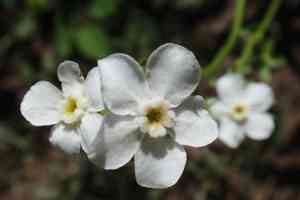
California stickseed is a perennial herbaceous plant within the Boraginaceae family. Reproduction is optimally achieved by planting seeds in soil that drains effectively. Verify that seeds are planted at the correct depth and remain uniformly damp until sprouting occurs. Soaking seeds beforehand can improve the success rate of germination. This species thrives in areas receiving partial to complete sun exposure. Sustaining a regulated setting devoid of harmful insects will contribute to robust development.
Optimal Time for California Stickseed Propagation
Propagation Method
Seeding
Propagation Period
Spring
Tools for California Stickseed Propagation
Seed Trays
Seed trays are vital for offering a controlled environment for california stickseed seeds to sprout. They aid in organizing seeds and maintaining soil moisture, which is key for successful propagation.
Seed Starting Mix
A well-draining seed starting mix is essential for california stickseed, as it supplies the necessary nutrients and ideal conditions for germination and initial growth. This mix ensures good air circulation and moisture retention.
Heat Mat
A heat mat helps keep a consistent warm temperature for seed trays, which can boost the germination rate of california stickseed seeds, especially in colder climates or seasons.
Humidity Dome
Humidity domes create a moist microenvironment, reducing water loss and encouraging faster germination for california stickseed. They also shield seeds from drafts and pests.
Mist Sprayer
A mist sprayer is useful for gently watering the delicate seeds and seedlings of california stickseed without displacing soil or disturbing seeds.
Plant Labels
Plant labels ensure correct identification of california stickseed seedlings, preventing mix-ups and allowing for better organization during the propagation process.
Fine Mesh Sieve
A fine mesh sieve is beneficial for removing larger particles from the seed starting mix, ensuring a fine-textured medium that is ideal for the tiny seeds of california stickseed.
Propagation Light
Supplemental propagation lights provide the necessary light spectrum for seed germination and seedling growth of california stickseed, especially when natural light is insufficient.
Rooting Hormone
While not always required, a rooting hormone can be used to enhance root development in california stickseed seedlings, promoting stronger and healthier plants.
How to Propagate California Stickseed?
Propagation Type
Simple
Caring for Newly Propagated California Stickseed
Caring for Newly Propagated California Stickseed
After germination and transplanting, ensure young california stickseed plants receive ample sunlight and consistent moisture. Water regularly but avoid waterlogging, as california stickseed prefers well-drained soil. Mulching around the base helps retain moisture and suppress weeds. Fertilize with a balanced fertilizer if needed. Monitor for pests and diseases, and provide support as plants grow, ensuring they are well-anchored to prevent wind damage.
Common Propagation Errors for California Stickseed
Overwatering
Excessive water can lead to root rot, hindering california stickseed's ability to establish healthy roots.
Poor Soil Drainage
Using soil that doesn't drain well can result in waterlogged roots, which can stunt growth or kill the plant.
Insufficient Light
Not providing adequate light can limit the plant's growth and vigor, as california stickseed requires sufficient sunlight to thrive.
Incorrect Soil pH
Using soil with the wrong pH can affect nutrient uptake, leading to poor plant health.
Improper Seed Handling
Not scarifying or stratifying seeds properly can result in low germination rates.
Tips For Propagating California Stickseed
Use Well-Draining Soil
Choose soil mixes that ensure good drainage to prevent waterlogging and root rot.
Water Moderately
Keep the soil moist but not saturated to maintain the necessary moisture levels without promoting rot.
Ensure Adequate Light
California stickseed thrives in areas with full to partial sun, so ensure it receives sufficient light for robust growth.
Correct Soil pH
Maintain a slightly acidic to neutral pH (around 6.0-7.5) to optimize nutrient availability.
Proper Seed Preparation
Scarify or cold stratify seeds before planting to improve germination rates and ensure successful propagation.



