How to Propagate Lesser yellowthroat gilia?
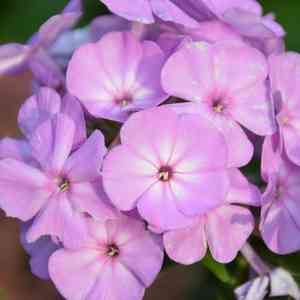
Gilia flavocincta, a blooming species from the Phlox genus, flourishes in adequately drained ground under direct sun exposure. Seeding is the primary method for reproduction; disperse seeds directly into the earth, making sure they are thinly veiled with substrate. Maintain consistent soil dampness until sprouting occurs. Utilize porous, sandy to stony substrates, and prevent excessive moisture accumulation. Proper plant separation is crucial for sufficient air circulation to deter fungal growth. Perfectly suited for arid landscapes, it draws numerous beneficial insects, such as bees.
Optimal Time for Lesser Yellowthroat Gilia Propagation
Propagation Method
Seeding
Propagation Period
Spring
Tools for Lesser Yellowthroat Gilia Propagation
Seed Trays
Utilized for planting lesser yellowthroat gilia seeds; they aid in organizing and offering a dedicated space for each seed to sprout, fostering robust root growth.
Seed Starting Mix
A specialized soil blend that provides excellent drainage and aeration essential for effective lesser yellowthroat gilia seed germination.
Mister Spray Bottle
Ensures gentle and consistent soil moisture without disturbing seeds, vital for the initial stages of lesser yellowthroat gilia development.
Heat Mat
Maintains an ideal soil temperature for germination, which is particularly beneficial for lesser yellowthroat gilia to encourage quicker and more uniform sprouting.
Humid Dome
Placed over seed trays to retain moisture and create a mini-greenhouse effect, crucial for maintaining the humidity levels required for lesser yellowthroat gilia germination.
Grow Lights
Provides sufficient illumination, necessary when propagating indoors, ensuring healthy seedling growth by mimicking natural sunlight conditions.
Labeling Sticks
Essential for tracking different seed trays, ensuring lesser yellowthroat gilia seeds are easily identifiable during germination and transplantation.
Tweezers
Useful for handling individual seeds or transplanting delicate seedlings without causing harm, ensuring the health and viability of lesser yellowthroat gilia.
How to Propagate Lesser Yellowthroat Gilia?
Propagation Difficulty
Simple
Caring for Newly Propagated Lesser Yellowthroat Gilia
Caring for Newly Propagated Lesser Yellowthroat Gilia
Post-propagation, continue to provide ample sunlight for optimal development. Water sparingly, allowing the soil to dry between watering sessions to prevent root rot. Fertilize minimally as lesser yellowthroat gilia thrives in nutrient-poor soils. Regularly inspect for pests and diseases, but remember that lesser yellowthroat gilia is relatively resilient and low-maintenance. Prune if needed to maintain shape and encourage more blooms.
Common Errors to Avoid When Propagating Lesser Yellowthroat Gilia
Overwatering
Excessive watering can lead to root rot, hindering root development and potentially killing young plants.
Poor soil drainage
Planting in soil that retains too much water can result in waterlogging, which is detrimental to root health.
Insufficient light
Lack of adequate light can lead to weak, elongated plants that are less likely to flourish.
Improper seed depth
Sowing seeds too deep or too shallow can impede proper germination.
Neglecting soil conditions
Ignoring specific soil pH and texture requirements can hinder nutrient absorption and overall plant vitality.
Tips For Propagating Lesser Yellowthroat Gilia
Moderate watering
Water the plant moderately, ensuring the soil is moist but not saturated to prevent root rot.
Well-draining soil
Utilize well-draining soil to prevent waterlogging and ensure roots receive sufficient oxygen.
Adequate sunlight
Lesser yellowthroat gilia thrives in a sunny environment, so provide ample light to promote healthy growth.
Correct seed depth
Plant seeds at a depth of approximately 1/8th inch to ensure proper germination.
Soil conditions
Maintain slightly acidic to neutral soil pH and use sandy or rocky soil to mimic lesser yellowthroat gilia's natural habitat.



