How to Propagate Blue lawngrass?
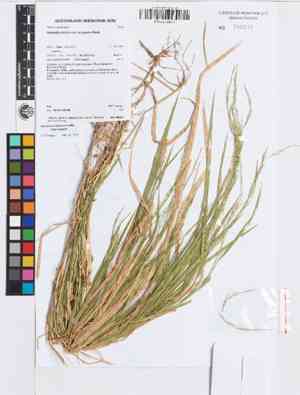
Blue lawngrass, a sturdy and appealing grass, flourishes in diverse soil conditions, though it favors substrates that drain effectively. To multiply blue lawngrass, employ the technique of division. Gently pull apart the root masses, making sure each separated portion retains an adequate amount of roots, then set them at the identical depth as the parent plant. Maintaining steady hydration is vital for fostering vigorous, fresh development. Adhere to these instructions to successfully enlarge your assortment of this attractive and resilient grass.
What Is the Best Time To Propagate Blue Lawngrass?
Propagation Type
Division
Propagation Season
Spring,Autumn
What Tools Are Used in Blue Lawngrass Propagation?
Sharp Spade
A sharp spade is crucial for dividing blue lawngrass. It helps cut through roots cleanly and efficiently, minimizing plant damage and ensuring each divided part has ample roots.
Root Knife
A root knife is especially useful for delicate tasks and can help separate blue lawngrass roots without causing excessive trauma. It's beneficial for precise division, reducing root harm.
Hand Trowel
A hand trowel is useful for planting divided blue lawngrass sections into new spots. It allows for careful placement and proper positioning, ensuring roots are covered without over-compaction.
Watering Can with Fine Rose
A watering can with a fine rose gently waters newly planted divisions without washing away soil or harming young blue lawngrass roots. It ensures consistent moisture, vital for establishment.
Pruning Shears
Pruning shears are important for trimming damaged or dead blue lawngrass foliage before and after division. This helps the plant focus energy on root and new shoot development.
Garden Fork
A garden fork aids in loosening soil around blue lawngrass before division. This reduces root damage risk when lifting clumps, improving chances for successful replanting.
Rooting Hormone
While not always needed, rooting hormone can encourage root growth in divided blue lawngrass sections. It promotes faster, stronger root development, helping divisions establish quicker.
Mulch
Mulch is important for maintaining soil moisture and temperature around newly planted blue lawngrass divisions. It also suppresses weeds, reducing nutrient competition during critical establishment.
How to Propagate Blue Lawngrass?
Propagation Type
Easy
How to Care for Your Newly Propagated Blue Lawngrass?
How to Care for Your Newly Propagated Blue Lawngrass?
After propagating blue lawngrass, ensure consistent watering to keep soil moist but not waterlogged. Place the plant in an area with indirect sunlight and watch for stress signs like wilting or yellowing leaves. Apply a balanced fertilizer once new plants show established growth. Regularly check for pests and remove competing weeds.
Common Mistakes to Avoid When Propagating Blue Lawngrass
Overwatering
Excessive watering can cause root rot in blue lawngrass, hindering growth and potentially killing the plant.
Improper Soil Type
Using heavy, clay-rich soil instead of well-draining soil can suffocate roots and impede growth.
Insufficient Light
Failure to provide adequate sunlight can lead to leggy growth and weak plants, as blue lawngrass thrives in bright, indirect light.
Using Unhealthy Parent Plants
Propagating from unhealthy or diseased parent plants can result in weak offspring more prone to diseases and poor growth.
Tips For Propagating Blue Lawngrass
Well-Draining Soil
Use a well-draining, sandy soil mix to prevent waterlogging and encourage healthy root development in blue lawngrass.
Proper Watering Schedule
Water moderately, ensuring the soil stays moist but not saturated. Allow the top layer to dry slightly between waterings.
Adequate Light
Position blue lawngrass in a spot that receives ample bright, indirect sunlight to support vigorous growth.
Healthy Parent Plants
Select robust, healthy parent plants for propagation to ensure strong and disease-resistant offspring.



