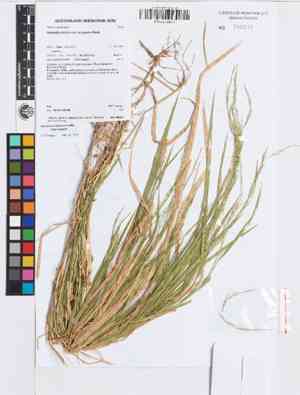
Blue lawngrass (Garnotia stricta)
Also known as: N/A
Blue lawngrass was initially described and classified as a distinct grass species in 1832. It is part of the Garnotia genus, which includes 34 species commonly found throughout the Pacific Basin, with the exception of Hawaii.
In This Article
Attributes of Blue lawngrass
Lifespan
Perennial
Plant Type
Grass
Plant Height
30-100 cm
Spread
N/A
Leaf Color
Green
Flower Size
N/A
Flower Color
Greenish or brownish
Images of Blue lawngrass
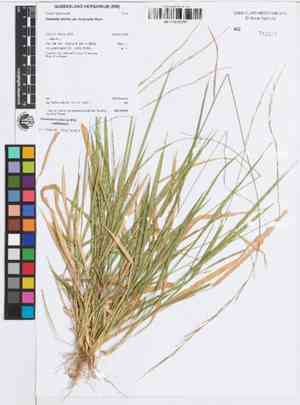
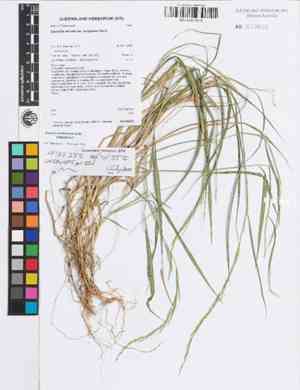
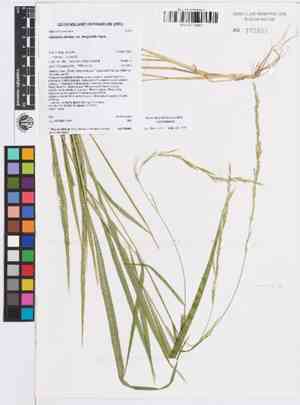
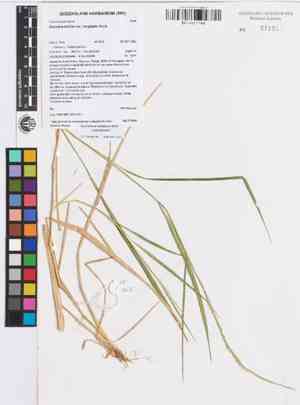
Quickly Identify Blue lawngrass
1
To identify Garnotia stricta, look for a perennial grass with narrow leaves and a distinctive flower structure with spikelets arranged in a linear fashion.
Scientific Classification of Blue lawngrass
Phylum
Vascular plants
Class
Monocotyledons
Order
Poales
Family
Grass
Genus
Lawngrass
Species
Blue lawngrass
Planting and Growing of Blue lawngrass
Care Difficulty
Moderate
Watering Schedule
Every 2 days
Sunlight Requirements
Partial sun
Sunshine Duration
6-12 hours
Ideal Temperature
60-75℉
Soil Type
Potting Mix, Peat Mix
Soil pH
5.5-7.5
Fertilizer Type
Balanced
Pruning Season
Spring, Summer
Pruning Area
Branches, Leaves
Pruning Frequency
2 times a year
Repotting Season
Spring
Pot Type
Plastic, Ceramic
 How to Water Blue lawngrass?
For Garnotia stricta, watering should be moderate and consistent. The soil should be kept slightly moist but not waterlogged. Ideally, the water should seep into the soil until it reaches a depth of about 2 inches. This helps ensure that moisture reaches the root zone without drowning the plant.
What are the symptoms of an underwatered Blue lawngrass?
›
What should I do if my Blue lawngrass is not getting enough water?
›
What are the symptoms of an overwatered Blue lawngrass?
›
How to save an overwatered Blue lawngrass?
›
 What Are the Sunlight Requirements for Blue lawngrass?
Partial sun is ideal, allowing Garnotia stricta to benefit from a balanced light environment. This range supports photosynthesis efficiently, increasing leaf robustness and overall plant health.
What is the best lighting condition for Garnotia stricta?
›
How can you achieve ideal lighting for Garnotia stricta?
›
What advantages does ideal lighting bring to Garnotia stricta?
›
 What Is the Ideal Temperature Range for Blue lawngrass?
The ideal temperature range for Garnotia stricta is between 60°F and 75°F. This ensures optimal photosynthesis and growth. Maintaining these temperatures helps the plant perform metabolic processes efficiently without stress.
 What Soil is Best for Blue lawngrass?
Garnotia stricta thrives in soils with excellent drainage to prevent waterlogging, which could lead to root rot. Good drainage ensures the roots receive adequate oxygen, promoting healthy growth. This plant prefers soil with moderate fertility, providing necessary nutrients without overwhelming the plant. Balanced nutrients in the soil enhance root development and overall vigor. While preferring drainage, Garnotia stricta benefits from soils that retain some moisture. This balance supports continuous hydration, crucial during periods of occasional drought.
 How to Fertilize Blue lawngrass?
For Garnotia stricta, fertilization should be moderate. Apply liquid fertilizer at a rate of 1 tablespoon per gallon of water. Use a balanced fertilizer like 10-10-10 to ensure all nutrient needs are met without overloading the soil with any particular nutrient. This balance helps in maintaining the health and vitality of the plant.
 How to Prune Blue lawngrass?
It's crucial to avoid over-pruning Garnotia stricta, as excessive removal of foliage can stress the plant and stunt its growth. Aim to cut back no more than a third of the plant at a time, ensuring that it retains enough leaves for photosynthesis. Ensure you're pruning during dry weather. Wet conditions can favor the spread of diseases and infections. After pruning, monitor weather patterns, avoiding watering the foliage to minimize the risk of fungal growth after cutting.
 How to Propagate Blue lawngrass plant?
1
Start by selecting a well-draining soil mix suitable for Garnotia stricta. Ensure it is slightly moist but not waterlogged. Place the soil in seed trays or small pots, packing it lightly to provide a stable base for seeds.
2
Evenly distribute the Garnotia stricta seeds over the prepared soil surface. Cover the seeds with a thin layer of soil, lightly pressing down to ensure contact. It is essential to sow seeds at an appropriate depth to ensure optimal germination.
3
Select a mature Garnotia stricta plant and gently dig it up. Divide the plant into sections ensuring each section has roots attached. Replant each division in prepared soil immediately to prevent root drying.
 How to Repot Blue lawngrass plant?
1
Garnotia stricta shows it's time for repotting when you notice roots poking through drainage holes or if growth has slowed significantly. Spring and autumn provide ideal conditions as the plant is not in its active growing phase, reducing stress at these times.
2
Select a pot that's one size larger than the current one with ample drainage holes to facilitate water flow. A slightly larger pot prevents waterlogging while giving room for root expansion, ensuring healthier growth.
3
Opt for a well-draining soil mix that retains moisture without becoming waterlogged. This ensures proper drainage, which is essential for preventing root rot and promoting nutrient absorption for your Garnotia stricta.
Learn More About Blue lawngrass Diseases
Anthracnose
Bacterial Leaf Spot
Bacterial Wilt
Chemical Injury
Cyst Nematode
Damping-off
Downy Mildew
Drought Stress
Fusarium Wilt
Gray Mold
Leaf Spot
Mosaic
Nutrient Deficiency
Nutrient Toxicity
Powdery Mildew
Root Rot
Root-knot Nematode
Rusts
Sooty Mold
Spider Mites
Temperature Stress
Thrips Damage
White Mold



