How to Propagate Purple bedstraw?
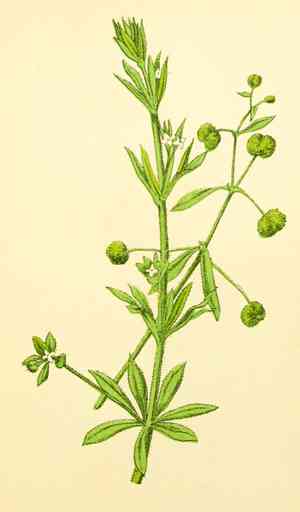
Galium purpureum, a species within the Rubiaceae family, is recognized for its appealing violet flowers. For reproduction, seeding is the advised technique. Utilize a growing medium that drains effectively and ensure the seeds are lightly covered with substrate for ideal development. Regular hydration is crucial, but prevent excessive saturation. Maintain a moderate temperature in the surroundings to encourage sprouting. Exercise patience, as the germination process can be gradual yet rewarding.
Optimal Time for Purple Bedstraw Propagation
Propagation Method
Sowing
Propagation Period
Spring
Tools for Purple Bedstraw Propagation
Seed trays
Seed trays are vital for sowing purple bedstraw, offering an organized space for seedlings. They aid in managing germination by ensuring consistent soil conditions and easy monitoring.
Fine seed starting mix
A fine seed starting mix is essential for purple bedstraw, providing a well-draining yet moisture-retentive medium that supports delicate seedling roots. This sterile mix helps prevent diseases.
Label markers
Label markers are important for tracking purple bedstraw seeds, ensuring different species or varieties are correctly identified, preventing mix-ups during propagation.
Humidity dome
A humidity dome helps maintain consistent moisture levels around purple bedstraw seedlings. This creates a microenvironment that boosts germination rates and reduces desiccation risk.
Spray bottle
A spray bottle is used to gently moisten the soil surface without disturbing purple bedstraw seeds. This tool ensures delicate seeds and seedlings are not displaced, providing even, gentle watering.
Heat mat
A heat mat ensures optimal soil temperature for purple bedstraw germination. This is crucial if ambient temperatures are insufficient. The mat provides consistent warmth, improving sprouting success.
Tweezers
Tweezers are especially useful for handling small purple bedstraw seeds. This tool allows precise seed placement into the starting mix without damage or undue stress.
How to Propagate Purple Bedstraw?
Propagation Type
Easy
Caring for Newly Propagated Purple Bedstraw
Caring for Newly Propagated Purple Bedstraw
Once purple bedstraw seedlings have developed a few true leaves, gradually introduce them to outdoor conditions by placing them outside for a few hours daily, increasing duration over a week. Transplant seedlings to a permanent location with well-draining soil and partial shade. Water regularly to keep soil moist but not waterlogged, and monitor for pests and diseases. Mulching helps retain soil moisture and reduces weed competition.
Common Errors to Avoid When Propagating Purple Bedstraw
Incorrect Soil Type
Using heavy, clay-rich soil hinders proper drainage, potentially causing root rot and stunted growth for purple bedstraw.
Overwatering
Excessive watering can lead to root rot and fungal diseases, as purple bedstraw prefers moderately moist conditions.
Inadequate Light
Placing purple bedstraw in insufficient sunlight impairs growth and propagation, as it thrives in partial to full sun.
Improper Spacing
Crowding purple bedstraw can result in poor air circulation, increasing fungal infection risk and resource competition.
Neglecting Pest Control
Failing to monitor and manage pests can cause significant damage or even death of purple bedstraw.
Tips For Propagating Purple Bedstraw
Use Well-Draining Soil
Choose a well-draining soil mix to prevent waterlogging and maintain healthy roots.
Water Moderately
Water purple bedstraw when the top inch of soil feels dry, avoiding waterlogging and ensuring roots are neither too dry nor overly wet.
Provide Adequate Light
Position purple bedstraw in a spot that receives partial to full sun to encourage vigorous growth.
Proper Spacing
Ensure sufficient space between plants to allow for good air circulation and reduce the risk of fungal diseases.
Monitor for Pests
Regularly inspect purple bedstraw for pest signs and take appropriate measures, such as using natural insecticides, to effectively manage pest populations.



