How to Propagate Hooded orchid?
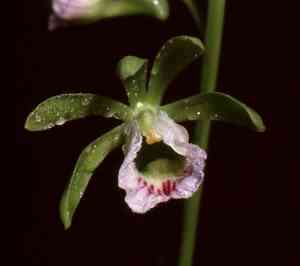
The Hooded orchid flourishes in moist, tropical environments, frequently encountered in marshy areas. For reproduction, separation is the most successful technique. Verify that each separated section possesses sound pseudobulbs and roots, then pot it in a free-draining, sphagnum-based substrate. Sustain elevated humidity and diffused illumination. Consistent spraying helps maintain an ideal atmosphere, fostering vigorous growth and maturation.
When Is the Best Time to Propagate Hooded Orchid?
Propagation Method
Division
Propagation Period
Spring,Autumn
What Tools Are Used for Hooded Orchid Propagation?
Sharp Garden Knife or Pruning Shears
Crucial for making clean cuts on rhizomes or pseudobulbs during division, minimizing plant damage.
Sterilizing Solution
Used to disinfect cutting instruments before and after use, preventing the spread of diseases that could harm hooded orchid.
Rooting Hormone
Applying this to cut sections can boost root development and improve the success rate of hooded orchid propagation.
Potting Media
A well-draining, orchid-specific potting mix is vital for providing the ideal environment for newly divided sections to establish and grow.
Clear Plastic Pots
These containers promote good air circulation and allow for monitoring root health, which is especially important for hooded orchid's successful establishment.
Spray Bottle
Maintains appropriate humidity levels around divided sections without over-saturating, preventing fungal issues and ensuring proper moisture for hooded orchid.
Plant Labels
Helps track propagation dates and varieties, essential for monitoring growth progress and care requirements of hooded orchid.
Orchid Fertilizer
Supplies balanced nutrients to the newly propagated sections, encouraging healthy growth and establishment of hooded orchid.
How to Propagate Hooded Orchid?
Propagation Difficulty
Easy
How to Care for Your Newly Propagated Hooded Orchid?
How to Care for Your Newly Propagated Hooded Orchid?
Post-propagation, ensure high humidity and place the hooded orchid in a warm, bright, but indirect light spot. Water consistently, allowing the medium to dry slightly between waterings. Fertilize every few weeks with a half-strength balanced orchid fertilizer. Regularly inspect for pests and ensure good air circulation to prevent fungal diseases. Gradually acclimate the hooded orchid to its permanent growing conditions for robust growth and blooming.
Common Mistakes to Avoid When Propagating Hooded Orchid
Overwatering
Excessive watering can lead to root rot, fungal infections, and poor plant health. Hooded orchid prefers moderate watering and well-draining soil to prevent waterlogging.
Improper Soil Mix
Using dense or poorly aerated soil can suffocate roots, hindering growth. Hooded orchid thrives in a light, well-aerated potting mix suitable for orchids.
Incorrect Lighting
Providing either too much direct sunlight or insufficient light can stress the plant. Hooded orchid requires bright, indirect light for effective growth.
Poor Air Circulation
Lack of ventilation can encourage fungal and bacterial growth. Ensuring good air circulation is vital for maintaining plant health.
Neglecting Humidity
Insufficient humidity can result in dry, unhealthy leaves. Hooded orchid benefits from a humid environment, mimicking its natural tropical habitat.
Failing to Sterilize Tools
Using unsterilized tools can introduce pathogens, leading to disease. Always sterilize tools to minimize the risk of infection during propagation.
Tips For Propagating Hooded Orchid
Optimal Watering
Water hooded orchid only when the top layer of the potting mix is dry. Ensure the pot has adequate drainage to prevent water accumulation.
Appropriate Soil Mix
Use a potting mix specifically designed for orchids, such as one that includes bark, sphagnum moss, and perlite, to provide good aeration and drainage.
Proper Light Conditions
Place hooded orchid in an area where it receives bright, indirect sunlight, avoiding prolonged exposure to direct sun which can scorch the leaves.
Maintain Good Airflow
Keep the growing area well-ventilated to reduce the risk of fungal diseases and improve overall plant health.
Humidity Control
Maintain a high humidity environment, around 60-70%, by using a humidity tray or a room humidifier, especially in dry climates.
Tool Sterilization
Always sterilize cutting tools with alcohol or a bleach solution before use to prevent the spread of disease during propagation.



