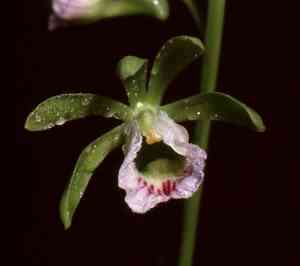
Hooded orchid (Galeandra bicarinata)
Also known as: Two-keeled hooded orchid
Galeandra bicarinata, an orchid species, is found naturally in Mexico and Guatemala. Initially considered a part of Galeandra beyrichii, which is widespread across South America and the Caribbean, it was officially described as a distinct species by George Bentham in 1838.
In This Article
Attributes of Hooded orchid
Lifespan
Perennial
Plant Type
Herb
Plant Height
Approximately 30-60 cm
Spread
N/A
Leaf Color
Green
Flower Size
Approximately 3-5 cm
Flower Color
Varies from pink, purple to yellow with distinctive markings
Images of Hooded orchid
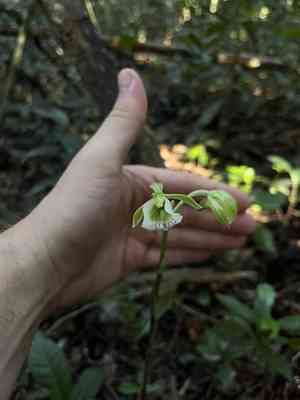
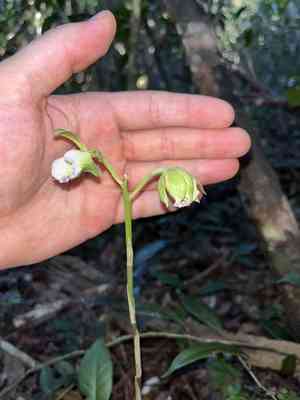
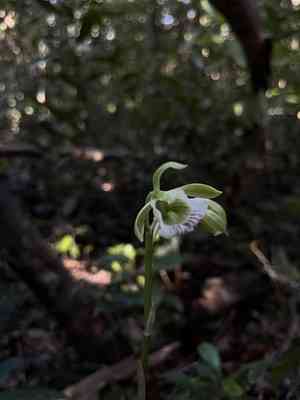
Quickly Identify Hooded orchid
1
This orchid species can be identified by its distinctive flower shape with a prominent lip and colorful markings. The flowers often have two carinae (keels) on the lip, which is a key characteristic.
Scientific Classification of Hooded orchid
Phylum
Vascular plants
Class
Monocotyledons
Order
Asparagales
Family
Orchid
Genus
Hooded orchid
Species
Hooded orchid
Planting and Growing of Hooded orchid
Care Difficulty
Hard
Watering Schedule
Every 2 days
Sunlight Requirements
Partial sun
Sunshine Duration
4-10 hours
Ideal Temperature
60-75℉
Soil Type
Potting Mix, Peat Mix
Soil pH
6.5-7.5
Fertilizer Type
Balanced
Pruning Season
Spring, Summer
Pruning Area
Branches, Leaves
Pruning Frequency
2 times a year
Repotting Season
Spring
Pot Type
Plastic, Terracotta
 How to Water Hooded orchid?
Galeandra bicarinata requires watering until the soil is visibly moist but not soggy. Aim for about 200 ml per watering, enough to saturate the potting mix without causing waterlogging. Ensure there's adequate drainage to prevent root rot.
What are the symptoms of an underwatered Hooded orchid?
›
What should I do if my Hooded orchid is not getting enough water?
›
What are the symptoms of an overwatered Hooded orchid?
›
How to save an overwatered Hooded orchid?
›
 What Are the Sunlight Requirements for Hooded orchid?
Partial sun exposure ensures Galeandra bicarinata receives essential light for photosynthesis and growth, resulting in healthier foliage and flowers.
How much light does Galeandra bicarinata need?
›
What solutions can ensure ideal lighting?
›
What benefits does ideal lighting provide?
›
 What Is the Ideal Temperature Range for Hooded orchid?
Galeandra bicarinata thrives best in temperatures between 60°F and 75°F. This ideal range provides the necessary warmth for optimum growth and ensures the plant can carry out photosynthesis effectively. Keeping temperatures steady within this range helps the plant maintain its metabolism processes efficiently, promoting healthy growth and flowering.
 What Soil is Best for Hooded orchid?
Galeandra bicarinata thrives in well-draining soil that prevents root rot and maintains optimum health for the plant. Such soil ensures that excess water is quickly drained away, reducing the risk of waterlogging. This plant benefits from soil rich in organic matter, which provides essential nutrients and encourages robust growth. Incorporating compost or well-decomposed manure can significantly enhance soil fertility. Aerated soil is crucial for Galeandra bicarinata, as it ensures proper root respiration and nutrient uptake. Using a mix that includes perlite or bark enhances soil aeration effectively.
 How to Fertilize Hooded orchid?
For Galeandra bicarinata, it's essential to apply a balanced fertilizer with a 20-20-20 NPK ratio at half strength. This provides sufficient nutrients without overwhelming the plant. When using liquid fertilizer, dissolve 5 ml in a liter of water and ensure it is thoroughly mixed before application.
 How to Prune Hooded orchid?
Start by sterilizing your shears to prevent the spread of disease. Trim back any dead or damaged stems to the base of the plant. Make clean cuts at a slight angle, which helps prevent water from pooling on the cut surface and reduces the risk of rot. Prune back any overgrown or crossing branches to improve airflow and light penetration. Always cut just above a leaf node, which encourages new growth.
 How to Propagate Hooded orchid plant?
1
Gather seeds from a mature Galeandra bicarinata specimen. Ensure seeds are mature and viable. Soak seeds in warm water for 24 hours to soften the seed coat and encourage faster germination.
2
Create a potting mix of equal parts peat moss, perlite, and sterile compost. This mix provides excellent drainage while retaining the necessary moisture for seedling development.
3
For division propagation, carefully dig up the plant and divide the rhizomes using a sharp knife. Ensure each division has at least one growth node to promote successful development.
 How to Repot Hooded orchid plant?
1
Galeandra bicarinata needs repotting when roots start to crowd and the plant shows signs of growth stagnation. Ideally, this should happen once every couple of years, especially in spring or early summer when the growth vigor is at its peak. Carefully observe the roots; they should appear at the surface or through the drainage holes, indicating the need for a new home.
2
Select a pot that is slightly larger than the current one, ensuring it's not too big to prevent waterlogging. Opt for a container with good drainage holes to facilitate proper water management. The right size prevents excess moisture, helps in avoiding root rot, and allows the plant to establish itself efficiently in its new space.
3
The ideal soil mix should be a well-draining orchid mix containing components like bark, perlite, and sphagnum moss. This composition mimics the plant's natural epiphytic habitat, promoting airflow and preventing excess moisture retention. Such a mix provides stability and supports robust growth and flowering.
Learn More About Hooded orchid Diseases
Anthracnose
Bacterial Leaf Spot
Bacterial Soft Rot
Black Spot
Chemical Injury
Damping-off
Downy Mildew
Drought Stress
Fusarium Wilt
Gray Mold
Leaf Curl
Leaf Spot
Mosaic
Nutrient Deficiency
Nutrient Toxicity
Powdery Mildew
Root Rot
Root-knot Nematode
Rusts
Sooty Mold
Spider Mites
Temperature Stress
Thrips Damage
White Mold



