How to Propagate Adobe lily?
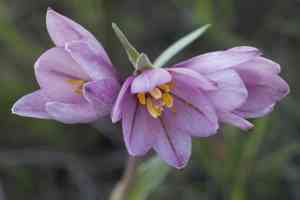
Fritillaria pluriflora flourishes in adequately drained substrates with measured irrigation. Its most effective propagation method involves tubers, which must be sound and free from pathogens. These tubers require planting at a suitable depth and with sufficient spacing to encourage peak development. Shield them from direct solar exposure, favoring environments with dappled light. Safeguard them against infestations and uphold steady hydration, but refrain from excessive watering. Periodically inspect for indications of illness and swiftly excise any compromised sections. This approach guarantees vigorous, thriving specimens.
Optimal Period for Adobe Lily Propagation
Propagation Method
UseTheTubers
Propagation Period
Spring
Tools for Adobe Lily Propagation
Hand Trowel
A hand trowel is crucial for carefully excavating around adobe lily's tubers. Its slender blade allows for precision, preventing harm to the plant's fragile root system. This is key for keeping tubers intact and viable for successful propagation.
Garden Fork
A garden fork is employed to gently loosen the earth surrounding adobe lily. Its tines can lift tubers from the ground without cutting them, minimizing damage and aiding successful replanting.
Bulb Planter
A bulb planter is specifically designed for placing bulbs and tubers, such as those of adobe lily. It helps create the appropriate depth and size for the planting hole, ensuring tubers are positioned optimally for growth.
Pruning Shears
Pruning shears are utilized to remove any dead or damaged sections of the tubers prior to planting. This prevents disease spread and encourages robust new growth, directly supporting adobe lily's vitality.
Rooting Hormone Powder
This specialized product promotes the development of new roots on adobe lily's tubers. Applying rooting hormone powder to cut or injured areas can significantly enhance the likelihood of successful root formation and propagation.
Sterile Potting Mix
Employing a sterile potting mix guarantees that the growing medium is free from harmful pathogens that could affect adobe lily. It establishes a safe environment for tubers to root and grow without disease risk.
Watering Can with Fine Rose
A watering can equipped with a fine rose (spray head) enables gentle irrigation, which is vital for adobe lily. Excessive force can dislodge tubers or harm their delicate roots. This tool helps maintain the correct moisture levels for successful propagation.
Labels and Markers
Tracking planted tubers is important for monitoring their development. Labels and markers assist in identifying the location and planting date, ensuring proper care and observation of adobe lily's progress.
How to Propagate Adobe Lily?
Propagation Type
Easy
Caring for Your Newly Propagated Adobe Lily
Caring for Your Newly Propagated Adobe Lily
Post-propagation, maintain consistent moisture without overwatering, as adobe lily prefers well-drained soil. Fertilize sparingly in early spring with a balanced, slow-release product. Shield young plants from strong winds and extreme temperatures. Mulch around plants to retain soil moisture and deter weeds. Regularly check for pests and diseases, treating promptly if issues arise. With proper care, adobe lily will flourish and produce beautiful blooms.
Common Mistakes to Avoid When Propagating Adobe Lily
Overwatering
Excessive watering frequently leads to root rot, which can be fatal for adobe lily, as they prefer well-draining soil conditions.
Inadequate Soil Drainage
Using dense or compacted soil can suffocate roots due to poor drainage, impeding growth and causing root diseases.
Improper Light Conditions
Exposing adobe lily to too much direct sunlight can scorch their delicate leaves, while insufficient light can result in weak, leggy growth.
Incorrect Planting Depth
Planting bulbs too deeply can prevent adobe lily from emerging properly, whereas planting too shallowly can expose them to temperature fluctuations.
Neglecting Soil pH
Failing to monitor and adjust soil pH can lead to nutritional deficiencies, as adobe lily prefers slightly acidic to neutral pH levels.
Tips For Propagating Adobe Lily
Well-Draining Soil
Utilize a mix specifically formulated for bulbs or incorporate perlite to enhance soil drainage and prevent waterlogging.
Consistent Watering
Keep the soil consistently moist but not saturated, allowing the top inch to dry before rewatering.
Filtered Light
Provide bright, indirect sunlight to prevent leaf burn while ensuring adequate light for healthy development.
Correct Depth
Plant bulbs at a depth of approximately 2-3 times their height, ensuring they are neither too deep nor too shallow.
Soil pH Management
Ensure the soil is slightly acidic to neutral, ideally within the 6.0 to 7.0 range, to support optimal nutrient absorption.



