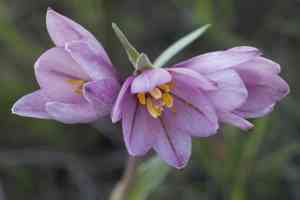
Adobe lily (Fritillaria pluriflora)
Also known as: Adobe Lily, Stinkbells
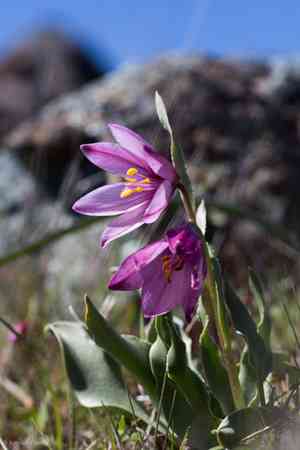
The Adobe lily (Fritillaria pluriflora) features charming bell-shaped flowers in shades of pink to purple, gracefully hanging from thin stems. These blossoms often appear in clusters, showcasing their beauty against the dry, rocky terrain where the plant naturally thrives, highlighting its hardy nature. This perennial herb has narrow, lance-shaped leaves that create a vivid green backdrop for its vibrant flowers, which bloom in early spring, drawing in pollinators in its native regions.
In This Article
Attributes of Adobe lily
Lifespan
Perennial
Plant Type
Herb
Plant Height
20-50 cm
Spread
Not applicable as it does not form a crown
Leaf Color
Green
Flower Size
4-5 cm
Flower Color
Purple, pinkish
Images of Adobe lily
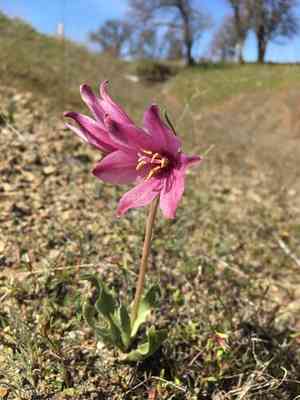
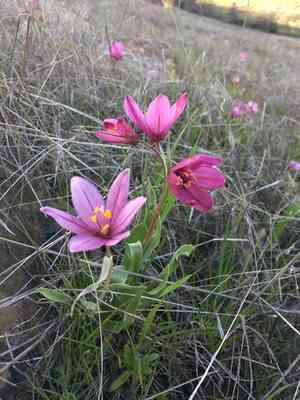
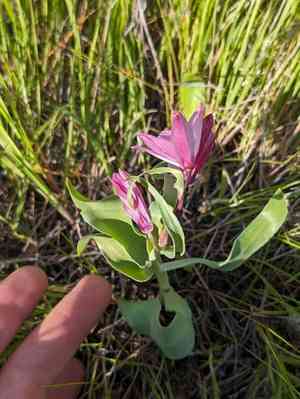
Quickly Identify Adobe lily
1
Fritillaria pluriflora can be identified by its tall, single stem with whorled leaves and one to several conspicuous, nodding blooms. The flowers are bell-shaped with tepals that are light purple to pinkish and finely mottled inside. The plant also emits a distinct aroma which helps in its identification.
Scientific Classification of Adobe lily
Phylum
Vascular plants
Class
Monocotyledons
Order
Liliales
Family
Lily
Genus
Fritillaries
Species
Adobe lily
Planting and Growing of Adobe lily
Care Difficulty
Moderate
Watering Schedule
Every 2 days
Sunlight Requirements
Partial sun
Sunshine Duration
6-10 hours
Ideal Temperature
60-75℉
Soil Type
Potting Mix, Peat Mix
Soil pH
6.5-7.5
Fertilizer Type
Balanced
Pruning Season
Spring, Summer
Pruning Area
Branches, Leaves
Pruning Frequency
2 times a year
Repotting Season
Spring
Pot Type
Plastic, Ceramic
 How to Water Adobe lily?
Fritillaria pluriflora prefers a moderate watering approach. Aim to provide around 250ml of water per session. Ensure the soil is evenly moist without being overly saturated. The water should seep through the drainage holes, indicating the roots are adequately getting hydrated.
What are the symptoms of an underwatered Adobe lily?
›
What should I do if my Adobe lily is not getting enough water?
›
What are the symptoms of an overwatered Adobe lily?
›
How to save an overwatered Adobe lily?
›
 What Are the Sunlight Requirements for Adobe lily?
Partial sunlight provides the perfect balance for Fritillaria pluriflora. It ensures sufficient light for photosynthesis without the risk of sunlight damage, promoting optimal growth and health.
Lighting Hours
›
Solution for Ideal Sunlight
›
Benefits of Ideal Sunlight
›
 What Is the Ideal Temperature Range for Adobe lily?
Fritillaria pluriflora thrives best in temperatures ranging from 60 to 75 degrees Fahrenheit. This range provides optimal conditions for photosynthesis and growth, ensuring the plant develops strong roots and vibrant flowers.
 What Soil is Best for Adobe lily?
Fritillaria pluriflora thrives in well-drained soil which prevents waterlogging, crucial for avoiding root rot. This type of soil allows excess water to drain away effectively, improving root health and overall plant vitality. The plant prefers soil of moderate fertility. Excessive nutrients can be detrimental, causing leggy growth, whereas too little nutrients can stunt growth. Balanced fertilization helps maintain optimal plant health and flowering. Applying a thin layer of organic mulch helps retain moisture, suppresses weed growth, and adds vital organic matter to the soil as it breaks down. This enhances the soil structure and nutrient availability, promoting robust plant growth.
 How to Fertilize Adobe lily?
For Fritillaria pluriflora, balanced fertilization is crucial. Use a 10-10-10 NPK liquid fertilizer diluted to half strength. Apply about 250 ml per plant each time, ensuring soil moisture to avoid fertilizer burn.
 How to Prune Adobe lily?
The optimal time to prune Fritillaria pluriflora is immediately after its blooming period in late spring or early summer. This helps ensure that the plant does not expend energy on maintaining old blooms and can focus on developing healthy bulbs for the next flowering season. Regularly inspect the plant for dead or diseased parts, cutting back any damaged foliage to encourage air circulation and prevent disease spread. Be sure to dispose of these parts away from the garden to reduce contamination risk.
More About Pruning Techniques→
 How to Propagate Adobe lily plant?
1
Collect seeds from mature Fritillaria pluriflora plants after they have flowered. Clean the seeds by removing any debris and allow them to dry. This prepares them for planting and reduces the risk of diseases.
2
Fill seed trays with a well-draining potting mix. Sow the seeds evenly across the surface and cover lightly with soil. Water gently to ensure the seeds are moistened but not waterlogged.
3
For division, dig up the plants carefully in early spring. Use a sharp knife or spade to separate the bulbs, ensuring each section has a piece of the crown. Replant them immediately in a suitable location.
 How to Repot Adobe lily plant?
1
Fritillaria pluriflora signals its need for repotting when its growth slows, roots start escaping through the drainage holes, or the soil becomes compacted and waterlogged. The ideal time to repot is during the spring, right after the last frost, when the plant is ready to embark on its active growing season. This ensures the plant can quickly recover and establish itself in its new environment.
2
Selecting an appropriate pot for Fritillaria pluriflora involves choosing a container that is slightly larger than the current one, with ample drainage holes. A slightly deeper pot allows for root expansion and ensures adequate space for the plant's growing needs. A good pot choice helps maintain soil moisture, prevent root rot, and supports healthy plant development.
3
Opt for a well-draining sandy soil mix when repotting Fritillaria pluriflora. This choice supports its natural preference for a dry environment and prevents excess moisture, which can lead to root rot. The right soil mix ensures proper aeration and is conducive to healthy bulb growth.
Toxicity
Ingestion
WARNING
The judgment on toxicity and danger is for reference only. We DO NOT GUARANTEE any accuracy of such judgment. Therefore, you SHALL NOT rely on such judgment. It is IMPORTANT TO SEEK PROFESSIONAL ADVICE in advance when necessary.
Learn More About Adobe lily Diseases
Anthracnose
Bacterial Leaf Spot
Bacterial Soft Rot
Chemical Injury
Crown Gall
Cyst Nematode
Damping-off
Downy Mildew
Drought Stress
Fusarium Wilt
Gray Mold
Leaf Spot
Mosaic
Nutrient Deficiency
Nutrient Toxicity
Powdery Mildew
Root Rot
Root-knot Nematode
Rusts
Sooty Mold
Spider Mites
Temperature Stress
Thrips Damage
White Mold



