How to Propagate Spotted hideseed?
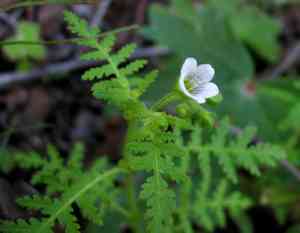
Spotted hideseed is multiplied by planting seeds. For successful sprouting, a porous soil blend and steady hydration are essential. Broadcasting seeds on the surface is advised because light assists the germination of spotted hideseed seeds. Precise irrigation is vital to prevent dislodging the seeds or fostering fungal problems. After sprouting, young plants require slow adaptation to external environments if first cultivated indoors. Consistent inspection for insects and illnesses guarantees the robust growth of spotted hideseed.
Optimal Time for Spotted Hideseed Propagation
Propagation Method
Seeding
Propagation Period
Spring
Essential Tools for Spotted Hideseed Propagation
Seed trays
Seed trays are vital for the seeding technique of propagating spotted hideseed. These containers enable consistent sowing and offer ample room for initial root formation. The ability to manage a controlled environment in each section helps ensure uniform germination and development.
Fine-grained soil or seed starting mix
A fine-textured soil or seed starting mix is crucial for spotted hideseed, as it promotes proper drainage and aeration, essential for the germination of small seeds like those of spotted hideseed. This specialized medium also reduces the risk of fungal diseases, common in overly damp conditions.
Misting bottle
A misting bottle is utilized to gently irrigate the seeds without disturbing them. For spotted hideseed, which requires light moisture for successful germination, the misting bottle offers an ideal solution to maintain humidity around the seeds without overwatering.
Grow lights (if indoor propagation)
Grow lights are advised if propagating spotted hideseed indoors. They ensure that seedlings receive adequate illumination, which might not be sufficiently available indoors. Proper light exposure is critical for the healthy development of spotted hideseed, fostering stronger and more resilient plants.
Heat mat (optional)
For spotted hideseed, employing a heat mat can boost the germination rate by maintaining a steady soil temperature, especially in cooler climates or during colder months. This device aids in creating an optimal growing environment that mimics the warm habitats where spotted hideseed naturally thrives.
Spotted Hideseed Propagation Guide
Propagation Type
Simple
Caring for Newly Propagated Spotted Hideseed
Caring for Newly Propagated Spotted Hideseed
Post-germination, ensure spotted hideseed receives sufficient light, typically in partial shade, as excessive direct sunlight can cause stress. Water plants regularly to keep the soil moist but be wary of overwatering. As spotted hideseed matures, thin out crowded plants to encourage healthy growth and air circulation. Fertilization isnât necessary initially, but consider a balanced, slow-release fertilizer once plants are established and show significant growth.
Common Errors to Avoid When Propagating Spotted Hideseed
Overwatering
Providing too much water can lead to root rot for spotted hideseed, which prefers drier conditions. Excessive moisture often hinders root growth, resulting in poor health and potentially fatal outcomes for the plant.
Too much direct sunlight
While spotted hideseed appreciates light, excessive direct sunlight can scorch its leaves, especially during peak intensity hours. This can impair the photosynthetic process, reducing propagation success and overall vigor.
Using nutrient-rich soil
Spotted hideseed naturally thrives in less fertile, well-drained soils. Planting in rich, nutrient-dense soil can lead to excessive foliage growth at the expense of flower and seed development, impeding effective propagation.
Tips for Propagating Spotted Hideseed
Use sandy, well-draining soil
Opt for a mix that mirrors spotted hideseed's natural habitat, which is typically sandy and well-draining. This will help prevent water retention and root rot, thereby supporting healthier growth and easier propagation.
Provide bright, indirect light
Ensure spotted hideseed receives bright but indirect sunlight. Ideal exposure promotes robust growth without the risks of leaf burn, increasing the plant's capacity to propagate successfully.
Moderate watering schedule
Establish a moderate watering regimen, allowing the soil to dry out between waterings. Spotted hideseed's preference for drier conditions means that itâs crucial to balance moisture to encourage healthy root development for propagation.



