How to Propagate Fragrant eryngo?
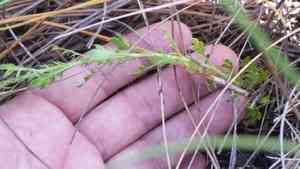
Cultivating fragrant eryngo is efficiently achieved by planting seeds. Verify that the seeds are new and embed them in soil that drains properly. Maintain consistent moisture in the soil until sprouting begins. A warm, brightly lit spot encourages development. Applying a thin layer of earth or vermiculite over the seeds can aid in successful germination. Regular observation is crucial to avert problems with mold or fungi.
When Is the Optimal Time to Propagate Fragrant Eryngo?
Propagation Method
Seeding
Propagation Period
Spring
What Equipment Is Used for Fragrant Eryngo Propagation?
Seed Tray
An essential item for sowing fragrant eryngo seeds, offering a controlled setting for even sprouting and simple seedling care. Choose a tray with good drainage to avoid waterlogging, which can harm young plants.
Seed Compost
Utilizing premium seed compost supports the initial growth phases of fragrant eryngo. This medium is typically fine, allowing delicate roots to easily penetrate and supplying vital nutrients for germination.
Fine Mister
A fine mister helps maintain proper moisture levels without disturbing the soil or dislodging fragrant eryngo seeds. Consistent dampness is crucial for germination and early seedling growth.
Labeling Stakes
Labeling stakes are used to identify the seeds planted in each tray section. Proper labeling ensures fragrant eryngo can be correctly identified and monitored during germination and growth, preventing mix-ups with other plants.
Glass or Plastic Dome
Covering the seed tray with a glass or plastic dome creates a greenhouse effect, maintaining high humidity and warmthâconditions favorable for fragrant eryngo seed germination. This also protects seeds from temperature shifts and drafts.
Heating Mat
A heating mat placed beneath the seed tray can provide consistent warmth, especially beneficial if ambient temperatures are low. Steady warmth promotes quicker and more reliable germination of fragrant eryngo.
Sterile Scalpel
If pre-sowing seed treatment is necessary, such as scarification or nicking the seed coat to aid germination, a sterile scalpel ensures fragrant eryngo seeds are treated without contamination.
Spray Bottle with Fungicide
Applying a mild fungicide with a spray bottle can prevent damping-off disease, a common seedling issue. Protecting young fragrant eryngo seedlings from fungal infections is crucial for their survival and development.
How to Propagate Fragrant Eryngo?
Propagation Difficulty
Simple
How to Care for Your Newly Propagated Fragrant Eryngo?
How to Care for Your Newly Propagated Fragrant Eryngo?
Once seedlings are established, gradually introduce them to outdoor conditions by placing them outside for a few hours daily, increasing exposure over a week. Transplant them into well-draining soil in a sunny spot. Water regularly, allowing the soil to dry slightly between waterings. Apply a balanced, low-nitrogen fertilizer sparingly to encourage healthy growth without excessive foliage.
Common Errors to Avoid When Propagating Fragrant Eryngo
Overwatering
Excessive moisture can lead to root rot, hindering the plant's nutrient absorption and potentially causing its demise.
Insufficient Light
Providing inadequate light can impede growth and negatively affect the plant's ability to perform photosynthesis effectively.
Poor Soil Drainage
Using soil that retains too much water can foster fungal diseases and root rot, detrimental to the plant's well-being.
Improper Seed Handling
Failure to correctly handle or store seeds can result in reduced germination rates and weak seedlings.
Advice for Propagating Fragrant Eryngo
Well-Drained Soil
Utilize soil that drains well to prevent waterlogging and root rot. Soil mixes containing sand or perlite can enhance drainage.
Adequate Light
Ensure fragrant eryngo receives ample sunlight. If growing indoors, consider using grow lights to supplement natural light.
Moderate Watering
Water the plant moderately, allowing the soil to dry out slightly between watering sessions to prevent overwatering.
Seed Stratification
Stratify the seeds by subjecting them to a period of cold treatment before planting to improve germination rates.
Correct Spacing
Provide sufficient space between plants to ensure good air circulation and reduce the risk of fungal infections.



