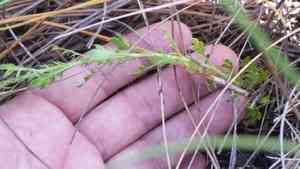
Fragrant eryngo (Eryngium aromaticum)
Fragrant eryngo is a notable perennial known for its distinct spiky blue or violet flower heads, resembling tiny thistles. When its silvery or green foliage is crushed, it releases a unique aroma. Preferring well-drained soils, this plant adapts well to different settings, making it a magnet for bees and an eye-catching addition to gardens or dried flower displays.
In This Article
Attributes of Fragrant eryngo
Lifespan
Perennial
Plant Type
Herb
Plant Height
30-60 cm
Spread
20-40 cm
Leaf Color
Green
Flower Size
1-2 cm
Flower Color
Blue, Violet
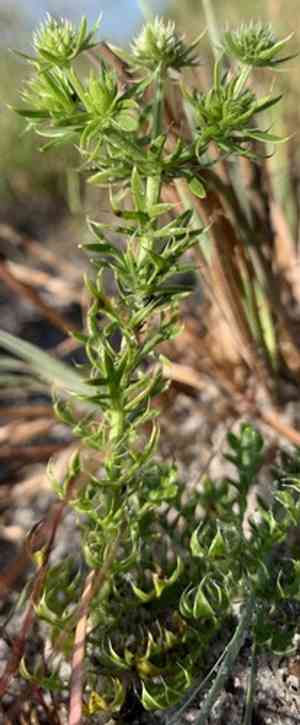
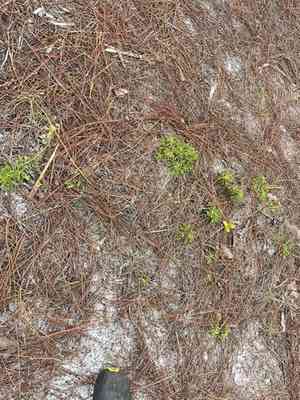
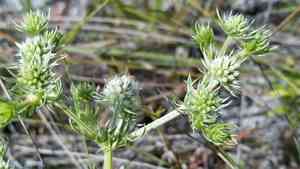
Images of Fragrant eryngo
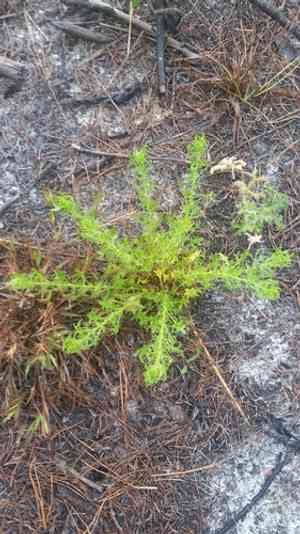
Quickly Identify Fragrant eryngo
1
To identify Eryngium aromaticum, look for spiny, serrated leaves and a branching stem. The plant has umbels of small, blue to violet flowers and a strong aromatic scent.
Scientific Classification of Fragrant eryngo
Phylum
Vascular plants
Class
Dicotyledons
Order
Apiales
Family
Umbellifers
Genus
Eryngos
Species
Fragrant eryngo
Planting and Growing of Fragrant eryngo
Care Difficulty
Moderate
Watering Schedule
Every 3 days
Sunlight Requirements
Partial sun
Sunshine Duration
4-6 hours
Ideal Temperature
68-77℉
Soil Type
Potting Mix, Peat Mix
Soil pH
6.5-7.5
Fertilizer Type
Balanced
Pruning Season
Spring, Summer
Pruning Area
Branches, Leaves
Pruning Frequency
2 times a year
Repotting Season
Spring
Pot Type
Plastic, Ceramic
 How to Water Fragrant eryngo?
Eryngium aromaticum prefers a modest amount of water. Ensure the soil is moist but not waterlogged. A typical watering session should involve approximately 200 ml of water, enough to seep into the soil slightly and reach the roots, but not so much as to cause pooling.
What are the symptoms of an underwatered Fragrant eryngo?
›
What should I do if my Fragrant eryngo is not getting enough water?
›
What are the symptoms of an overwatered Fragrant eryngo?
›
How to save an overwatered Fragrant eryngo?
›
 What Are the Sunlight Requirements for Fragrant eryngo?
Eryngium aromaticum prefers partial sun, thriving best with 4 to 6 hours of light. This ensures a balanced environment for growth, enhancing its lush foliage and aromatic essence while minimizing the risk of light-induced stress.
What is the best light condition for Eryngium aromaticum?
›
How can I ensure Eryngium aromaticum gets ideal lighting?
›
What benefits does Eryngium aromaticum receive from ideal lighting?
›
 What Is the Ideal Temperature Range for Fragrant eryngo?
The ideal temperature range for growing Eryngium aromaticum is between 68°F and 77°F. This range provides optimal conditions for growth and development, ensuring that the plant receives the right amount of warmth without stress. Consistent temperatures within this range promote healthy foliage and bloom production, making it essential for successful cultivation.
 What Soil is Best for Fragrant eryngo?
Eryngium aromaticum thrives best in well-draining soil to prevent waterlogging, which can lead to root rot. Proper drainage allows roots to access oxygen and nutrients efficiently, fostering healthy plant growth and vibrant foliage. This plant benefits from soil enriched with organic matter to support its robust growth and aromatic foliage. Compost or organic fertilizers enhance soil fertility, providing the necessary nutrients that promote vigorous development and appealing aromas. While Eryngium aromaticum prefers well-drained conditions, moderate moisture retention is beneficial. It ensures the plant has adequate water availability during dry periods, maintaining its lushness and reducing stress from prolonged drought.
 How to Fertilize Fragrant eryngo?
Eryngium aromaticum should receive a balanced fertilizer application at a concentration of 500 mg/L for liquid feeds and approximately 50 grams for slow-release fertilizers annually. This ensures optimal growth without overwhelming the plant.
 How to Prune Fragrant eryngo?
Start by removing any dead or damaged leaves or stems from the plant, using sharp and clean scissors or pruning shears. This encourages healthy new growth by providing more access to sunlight and air. Focus on shaping the plant to encourage a neat and compact form, making sure not to cut more than one-third of the plant at a time. Trim back the stems of Eryngium aromaticum to maintain a desirable shape, typically around the middle to late spring season. This shaping helps maintain a balanced and visually appealing plant, which can be especially important in garden landscapes where aesthetic matters. Monitor the growth and conduct additional minor trimming as needed through early summer.
More About Pruning Techniques→
 How to Propagate Fragrant eryngo plant?
1
Use a well-draining potting mix enriched with organic matter. This ensures adequate aeration and moisture retention, providing the ideal environment for seed germination or cuttings to take root.
2
When sowing seeds, plant them at a shallow depth, about twice the diameter of the seed. For cuttings, immerse the cut end in rooting hormone before placing it into the soil to enhance rooting.
3
New cuttings or seedlings should be watered gently to avoid disturbing them. Ensure the soil remains moist but not waterlogged, as excessive water can lead to rot or fungal issues.
 How to Repot Fragrant eryngo plant?
1
Eryngium aromaticum needs repotting when its roots outgrow the current container, visible at the drainage holes, or when its growth significantly slows down. Early signs include roots emerging from the pot base or a noticeable decline in foliage vibrancy. It's best to tackle this task during its growing seasons in spring or summer, as this allows the plant to recover quickly with enhanced nutrient uptake.
2
Opt for a pot that is 1-2 inches larger in diameter than the current one. Choose a container with ample drainage holes to prevent waterlogging, which can lead to root rot. A slightly larger pot supports adequate growth without overwhelming the plant, maintaining optimal growing conditions and enhancing root health.
3
Select a well-draining sandy soil mix. This type of soil helps prevent root rot by facilitating efficient water movement and aeration, crucial for Eryngium aromaticum's root health. A mix of garden soil, sand, and perlite can offer the balance needed for moisture retention and drainage, fostering robust plant growth.
Learn More About Fragrant eryngo Diseases
Anthracnose
Bacterial Leaf Spot
Bacterial Soft Rot
Bacterial Wilt
Chemical Injury
Damping-off
Downy Mildew
Drought Stress
Fusarium Wilt
Gray Mold
Leaf Spot
Mosaic
Nutrient Deficiency
Nutrient Toxicity
Powdery Mildew
Root Rot
Root-knot Nematode
Rusts
Sooty Mold
Spider Mites
Temperature Stress
Thrips Damage
White Mold



