How to Propagate Chamisso's cottongrass?
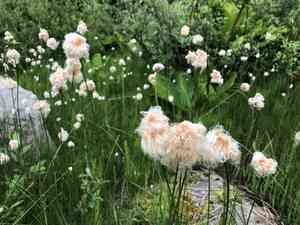
Eriophorum chamissonis, a robust perennial, frequently thrives in damp, boggy environments. Effective reproduction typically entails seeding. To achieve optimal outcomes, utilize newly harvested seeds, ideally gathered straight from established specimens. Create a damp, adequately draining seedbed, and guarantee continuous hydration without saturation. Gently conceal the seeds and sustain a steady atmosphere until sprouting occurs. Commonly present in acidic substrates, Eriophorum chamissonis flourishes under comparable circumstances during its propagation phase.
Optimal Time for Chamisso's Cottongrass Propagation
Propagation Method
Seeding
Propagation Period
Spring
Tools for Chamisso's Cottongrass Propagation
Seed Trays
Seed trays are crucial for initiating chamisso's cottongrass from seed. They provide a controlled setting where seeds can sprout uniformly. Utilizing seed trays aids in managing moisture levels and offers ample room for root growth.
Humidity Dome
A humidity dome is advantageous for sustaining the high moisture levels vital for chamisso's cottongrass seed germination. It assists in retaining dampness and warmth, which quickens the sprouting process.
Misting Bottle
A misting bottle is important for gently watering chamisso's cottongrass seeds. A fine mist ensures the seeds and young seedlings receive adequate moisture without being displaced or overly saturated.
Seed Starting Mix
A premium seed starting mix offers the perfect medium for germinating chamisso's cottongrass seeds. It is typically light, well-draining, and sterile, which prevents seed decay and illness.
Label Markers
Label markers are essential for tracking the various stages of chamisso's cottongrass's propagation. They assist in monitoring germination times, growth progress, and any necessary care notes.
Spray Bottle
In addition to misting, a separate spray bottle can be employed for applying diluted fungicides or nutrient solutions to prevent contamination and ensure seedling health.
Heating Mat
A heating mat can be utilized to provide consistent bottom warmth, which is beneficial for chamisso's cottongrass seed germination. This is particularly useful in cooler climates or indoor environments where maintaining optimal soil temperature is challenging.
Fine Sieve
A fine sieve helps in covering chamisso's cottongrass seeds with a thin layer of substrate or sand, ensuring even coverage and better contact with the soil, which promotes successful germination.
How to Propagate Chamisso's Cottongrass?
Propagation Type
Simple
Caring for Newly Propagated Chamisso's Cottongrass
Caring for Newly Propagated Chamisso's Cottongrass?
After successful sprouting, thin the seedlings to prevent overcrowding and enhance air circulation. Move the container to a brighter spot, but continue to provide indirect light to prevent scorching the young plants. Gradually expose them to more sunlight over time. Ensure the soil remains consistently moist and never completely dries out, mimicking their natural wetland environment. Mulching around the base can help retain soil moisture. Regularly check for any signs of pests or disease, treating promptly if any issues arise.
Common Errors to Avoid When Propagating Chamisso's Cottongrass
Overwatering
Excessive water can lead to root rot, negatively impacting the plant's vitality.
Poor Soil Selection
Using non-acidic soil fails to meet chamisso's cottongrass's need for acidic, moisture-retentive soil.
Incorrect Light Exposure
Placing chamisso's cottongrass in direct, harsh sunlight can stress the plant, which thrives in partial shade.
Neglecting Humidity
Low humidity levels can cause the plant to dry out, as it naturally grows in moist environments.
Incorrect Division Practices
Improperly dividing the plant can harm its delicate root system, leading to poor growth and establishment.
Tips For Propagating Chamisso's Cottongrass
Maintain Optimal Moisture
Ensure the soil remains consistently moist but not waterlogged to maintain healthy roots.
Choose Acidic Soil
Use acidic, moisture-retentive soil to replicate chamisso's cottongrass's natural habitat.
Provide Partial Shade
Place chamisso's cottongrass in an area with partial shade to prevent stress from excessive sunlight.
Enhance Humidity
Increase ambient humidity by misting regularly or using a humidity tray.
Careful Division
When dividing chamisso's cottongrass, ensure careful handling of the root system to promote successful re-establishment.



