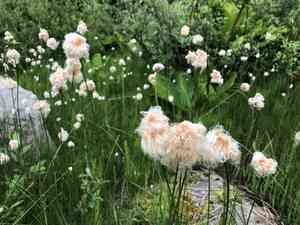
Chamisso's cottongrass (Eriophorum chamissonis)
Also known as: Chamisso's Cottongrass, Yellow Cottongrass
Chamisso's cottongrass is a perennial plant that prospers in wet, boggy areas such as wetlands and tundra habitats. It is characterized by its distinctive white, cotton-like seed heads that emerge following its yellow-green flowers in the summer. With its long, grass-like leaves and tall, upright stems, it stands out in its moist surroundings. This plant is vital for stabilizing soil, reducing erosion, and offering habitat and nourishment for various wildlife species.
In This Article
Attributes of Chamisso's cottongrass
Lifespan
Perennial
Plant Height
10 cm to 76 cm
Spread
N/A, as it primarily grows tall and slender
Leaf Color
Green
Flower Size
N/A, flowers are inconspicuous
Flower Color
N/A, flowers are inconspicuous
Images of Chamisso's cottongrass
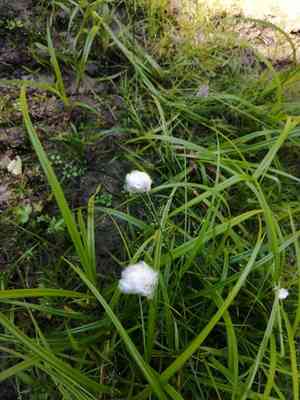
Quickly Identify Chamisso's cottongrass
1
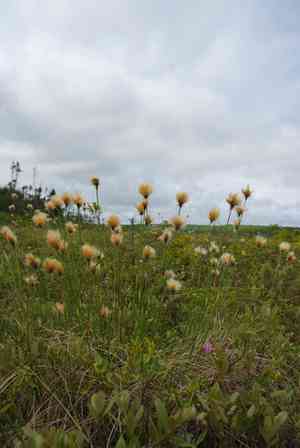
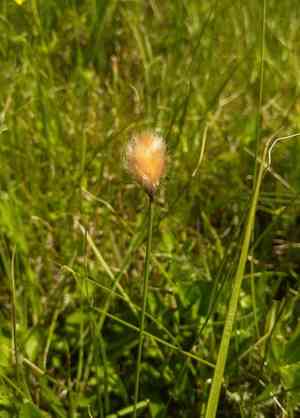
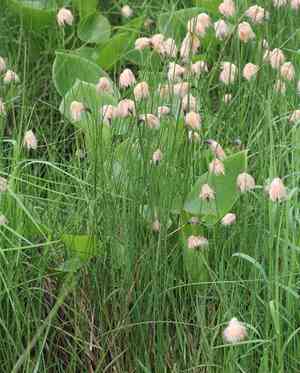
Eriophorum chamissonis can be identified by its tall, slender stems and white, cotton-like tufts at the top. The leaves are grass-like and narrow, and the plant often grows in wet, marshy areas.
Scientific Classification of Chamisso's cottongrass
Phylum
Vascular plants
Class
Monocotyledons
Order
Poales
Family
Sedge
Genus
Cotton-grass
Species
Chamisso's cottongrass
Planting and Growing of Chamisso's cottongrass
Care Difficulty
Moderate
Watering Schedule
Every 2 days
Sunlight Requirements
Full sun
Sunshine Duration
8-12 hours
Ideal Temperature
50-70℉
Soil Type
Potting Mix, Peat Mix
Soil pH
4.5-6.5
Fertilizer Type
Balanced
Pruning Season
Spring, Summer
Pruning Area
Branches, Leaves
Pruning Frequency
2 times a year
Repotting Season
Spring
Pot Type
Plastic, Ceramic
 How to Water Chamisso's cottongrass?
For Eriophorum chamissonis, water until the soil is thoroughly moist, about 300ml per session. This plant thrives in moist conditions but dislikes waterlogged roots, so ensure excess water can drain away.
What are the symptoms of an underwatered Chamisso's cottongrass?
›
What should I do if my Chamisso's cottongrass is not getting enough water?
›
What are the symptoms of an overwatered Chamisso's cottongrass?
›
How to save an overwatered Chamisso's cottongrass?
›
 What Are the Sunlight Requirements for Chamisso's cottongrass?
Eriophorum chamissonis ideally needs full to partial sun exposure. This ensures the plant maintains healthy growth patterns, initiates proper flowering, and sustains its vibrant appearance.
How much sunlight does Eriophorum chamissonis need?
›
What are the benefits of providing ideal lighting for Eriophorum chamissonis?
›
How can you ensure Eriophorum chamissonis gets adequate sunlight?
›
 What Is the Ideal Temperature Range for Chamisso's cottongrass?
The ideal temperature range for Eriophorum chamissonis, between 50°F and 70°F, ensures optimal growth and development. These temperatures mimic the plant's natural environment, allowing for the best physiological functions and minimizing stress.
 What Soil is Best for Chamisso's cottongrass?
Eriophorum chamissonis thrives in soil rich in organic matter. This supports its nutrient uptake and helps retain moisture, which is crucial for its growth. This plant requires wet or damp conditions, often found in peat soils. Constant moisture availability ensures the plant's roots are adequately hydrated. It is well adapted to acidic soils, which prevent nutrient leaching and support the unique microbes beneficial for the plant's growth.
 How to Fertilize Chamisso's cottongrass?
When it comes to fertilizing Eriophorum chamissonis, it is important to use a balanced fertilizer. Liquid fertilizers should be diluted to half the recommended strength and applied sparingly, ensuring not to oversaturate the soil to prevent nutrient stickiness.
 How to Prune Chamisso's cottongrass?
Begin by identifying and removing any brown, dead, or weak stems. This not only helps to tidy the Eriophorum chamissonis but also enables the plant to focus its energy on healthy growth. Cut back the longer, leggier stems to just above a node or leaf. This encourages the plant to produce side shoots, resulting in a fuller and bushier appearance. Shape the plant by selectively trimming stems to create a uniform and desirable form. This helps in maintaining an aesthetic appearance and encourages uniform growth.
More About Pruning Techniques→
 How to Propagate Chamisso's cottongrass plant?
1
Choose a vigorous, healthy Eriophorum chamissonis plant for propagation to ensure the new plants have the best chance for success.
2
Create a well-draining soil mix suitable for bog plants. You can use a peat-based mix combined with sand to provide essential nutrients and moisture retention for developing seedlings or divisions.
3
Sow the seeds evenly in the prepared seed tray, covering them lightly with soil. Ensure adequate moisture and light conditions to facilitate germination.
 How to Repot Chamisso's cottongrass plant?
1
Eriophorum chamissonis requires repotting mainly in spring or summer. Look for signs like roots poking out of drainage holes, compacted soil, or slowed growth. These indicators suggest that your plant is outgrowing its home and needs more space.
2
Select a pot that is one size larger than the current one, with good drainage. A pot that is too large can lead to overwatering issues, while a pot that's too small can restrict root growth. Proper drainage ensures that the roots do not sit in water, preventing root rot.
3
Opt for a peat-based, well-draining soil mix. This setup provides essential nutrients and ensures water doesn't stagnate around the roots, which can lead to root rot. A well-drained mix imitates the plant's natural habitat, promoting healthier growth.



