How to Propagate Frosted buckwheat?
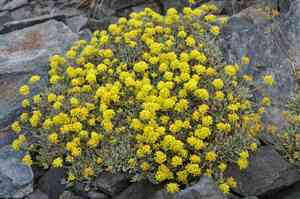
Eriogonum fasciculatum, a perennial herb native to dry environments, is prized for its appealing silver leaves and groupings of tiny white blossoms. This species flourishes in soil that drains effectively and receives ample sunlight. To propagate, employ stem sections cut with a sanitized, keen implement, making sure each cutting possesses a minimum of two nodes. Rooting stimulant assists in more rapid development. Position the cuttings in damp, sandy substrate, and sustain moisture levels until roots emerge.
Optimal Time for Frosted Buckwheat Propagation
Propagation Type
Cutting
Propagation Season
Spring,Summer
Tools for Frosted Buckwheat Propagation
Sharp Pruning Shears
Crucial for obtaining clean, precise cuttings from frosted buckwheat. Sharp shears prevent tissue damage, reducing disease risk and promoting faster rooting.
Rooting Hormone
Assists in the development of roots on frosted buckwheat cuttings. Applying rooting hormone to the cut end encourages quicker and stronger root formation, boosting propagation success.
Sterile Potting Medium
Offers a pathogen-free environment for frosted buckwheat cuttings to root. A sterile mix minimizes the risk of fungal infections and other harmful agents.
Propagation Trays with Dome
Maintains high humidity and consistent temperatures, creating ideal conditions for frosted buckwheat cuttings to root. The dome ensures moisture retention, vital for preventing desiccation.
Heat Mat
Provides steady warmth for the rooting zone of frosted buckwheat cuttings. Maintaining an optimal temperature encourages quicker and more effective root growth.
Misting Bottle
Delivers gentle hydration to frosted buckwheat cuttings without over-saturating the medium. Regular misting keeps humidity levels high around cuttings, crucial for their success.
Propagating Frosted Buckwheat
Propagation Type
Moderately Difficult
Caring for Newly Propagated Frosted Buckwheat
Caring for Newly Propagated Frosted Buckwheat
After propagating frosted buckwheat, transfer rooted cuttings to individual pots with well-draining soil. Position them in an area with full sun to partial shade. Water moderately, allowing the soil to dry between waterings. Regularly check for pests and diseases, and apply a balanced, low-nitrogen fertilizer bi-monthly during the growing season. Prune as needed to maintain shape and encourage bushy growth.
Common Propagation Errors for Frosted Buckwheat
Overwatering
Excessive moisture can lead to root rot and fungal diseases, as frosted buckwheat prefers well-drained soil and is drought-tolerant.
Using Rich Soil
Nutrient-dense soil can actually harm frosted buckwheat, which thrives in poor, rocky soils typical of its natural habitats.
Incorrect Sunlight
Placing frosted buckwheat in shaded areas can hinder sufficient growth because it requires full sun exposure to thrive.
Ignoring Pests
Failing to monitor for pests like aphids and spider mites can result in infestations that weaken frosted buckwheat and inhibit its growth.
Insufficient Air Circulation
Planting too densely restricts air flow, which can lead to mold and mildew growth on frosted buckwheat.
Tips for Frosted Buckwheat Propagation
Well-Drained Soil
Ensure the soil has excellent drainage to prevent root rot and mimic the plant’s natural environment.
Sun Exposure
Place frosted buckwheat in an area where it will receive full sunlight for most of the day.
Moderate Watering
Water sparingly and allow the soil to dry out completely between waterings to avoid over-saturation.
Pebbly or Rocky Substrate
Use a substrate that includes sand, gravel, or small rocks to create the right soil texture for frosted buckwheat.
Spacing
Provide ample space between plants to promote good air circulation and prevent mold or mildew.
Monitor for Pests
Regularly inspect frosted buckwheat for signs of pests and treat promptly to avoid infestation.



