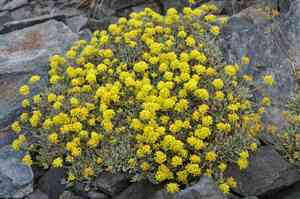
Frosted buckwheat (Eriogonum incanum)
Also known as: Woolly Buckwheat
Frosted buckwheat (Eriogonum flavum) displays several key characteristics that enable it to flourish in its native rocky terrain. The plant produces clusters of small, dusty-pink flowers on robust, woody stems, which are well-suited to withstand harsh conditions. Its rounded, silvery leaves are specially adapted to reflect intense sunlight and minimize water loss. The compact form of frosted buckwheat helps in retaining moisture, demonstrating its effective adaptation to arid, rocky environments. These features collectively highlight the plant’s ability to endure and thrive amidst challenging habitats.
In This Article
Attributes of Frosted buckwheat
Lifespan
Perennial
Plant Type
Shrub
Plant Height
0.3 to 0.5 meters
Spread
0.5 to 1 meter
Leaf Color
Gray-green
Flower Size
0.2 to 0.5 centimeters
Flower Color
Yellow to cream
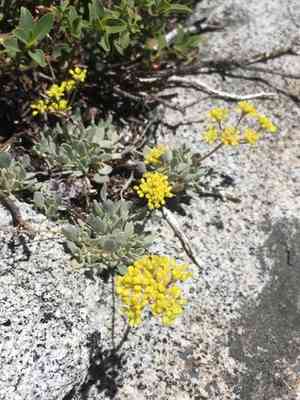
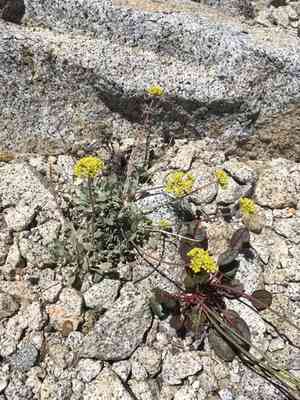
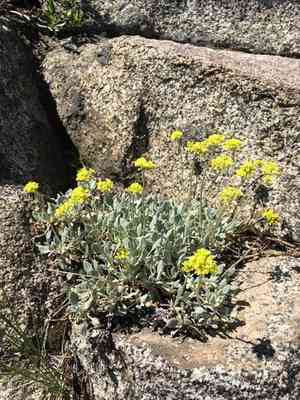
Images of Frosted buckwheat
Quickly Identify Frosted buckwheat
1
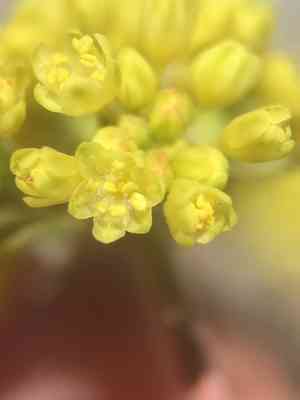
Eriogonum incanum can be identified by its woolly, gray-green leaves and small, clustered, yellow to cream-colored flowers that grow in rounded clusters.
Scientific Classification of Frosted buckwheat
Phylum
Vascular plants
Class
Dicotyledons
Order
Caryophyllales
Family
Buckwheat
Genus
Wild Buckwheat
Species
Frosted buckwheat
Planting and Growing of Frosted buckwheat
Care Difficulty
Moderate
Watering Schedule
Every 2 days
Sunlight Requirements
Full sun
Sunshine Duration
4-6 hours
Ideal Temperature
50-75℉
Soil Type
Potting Mix, Peat Mix
Soil pH
6.5-7.5
Fertilizer Type
Balanced
Pruning Season
Spring, Summer
Pruning Area
Branches, Leaves
Pruning Frequency
2 times a year
Repotting Season
Spring
Pot Type
Terracotta, Plastic
 How to Water Frosted buckwheat?
Eriogonum incanum should be watered with about 300 milliliters each time. The key is to ensure the soil is moist but not waterlogged. The plant prefers drier conditions, so it's crucial to allow the top layer of soil to dry out between waterings.
What are the symptoms of an underwatered Frosted buckwheat?
›
What should I do if my Frosted buckwheat is not getting enough water?
›
What are the symptoms of an overwatered Frosted buckwheat?
›
How to save an overwatered Frosted buckwheat?
›
 What Are the Sunlight Requirements for Frosted buckwheat?
Full sun to partial sun is optimal, guaranteeing the plant gets a minimum of 4 hours of direct sun. Under these conditions, Eriogonum incanum achieves optimal growth, maximizes photosynthesis rates, and maintains health.
What is the best light condition for Eriogonum incanum?
›
How can you ensure Eriogonum incanum receives ideal sunlight?
›
What benefits does ideal sunlight offer to Eriogonum incanum?
›
 What Is the Ideal Temperature Range for Frosted buckwheat?
Eriogonum incanum thrives best in an ideal temperature range of 50°F to 75°F. This range allows the plant to maintain optimal growth and health. It prevents stress caused by extreme temperatures while fostering strong, vibrant foliage and blooms. Consistent temperatures within this range ensure the plant can utilize water and nutrients efficiently.
 What Soil is Best for Frosted buckwheat?
Eriogonum incanum thrives in well-drained soil, which helps avoid waterlogging that can damage roots. Ensuring adequate drainage prevents root rot and supports robust plant growth. This plant is adapted to thrive in nutrient-poor conditions, often found in sandy loam. Such conditions encourage the plant to develop a strong root system while maintaining a balanced growth rate. A soil that retains moderate moisture while allowing excess water to escape is ideal for Eriogonum incanum. This helps maintain a stable hydration level, promoting healthy leaf and flower development.
 How to Fertilize Frosted buckwheat?
When fertilizing Eriogonum incanum, use a balanced fertilizer, such as a 10-10-10 NPK ratio. For liquid fertilizers, apply at a rate of 1 tablespoon per gallon of water. For slow-release granular fertilizers, use approximately 1/4 cup per plant, distributing it evenly around the base of the plant.
 How to Prune Frosted buckwheat?
Begin by identifying and removing any dead, diseased, or damaged stems and branches. Cutting these parts off redirects the plant’s resources to healthier areas, promoting better overall growth. Trim back overgrown stems to maintain a favorable shape. Eriogonum incanum naturally adopts a rounded form, so focus on trimming to enhance this structure, promoting even light distribution and airflow. During spring, lightly prune young stems to stimulate growth. This will lead to a bushier appearance and healthier plant overall, ensuring it sustains vigorous growth throughout the season.
More About Pruning Techniques→
 How to Propagate Frosted buckwheat plant?
1
Start by collecting mature seeds from Eriogonum incanum. Clean the seeds thoroughly to remove any debris. It's important to select healthy seeds as they have a higher germination success rate.
2
Fill a seed tray with a well-draining potting mix. Sow the seeds either by scattering them evenly over the soil surface or by placing them individually into small holes. Cover them lightly with soil.
3
Select a healthy stem from the parent plant and cut a section around 4-6 inches long. Remove the lower leaves to avoid rot, then dip the cut end in rooting hormone before planting it in well-draining soil.
 How to Repot Frosted buckwheat plant?
1
Eriogonum incanum shows signs of needing a repot when its roots start appearing through the drainage holes or the plant becomes top-heavy. Spring and autumn are ideal times for repotting as the plant is not in a dormant state, allowing it to establish in its new environment effectively.
2
Select a pot that is one size larger than the current one, with adequate drainage holes. This allows room for root expansion and helps prevent waterlogging, ensuring the plant's roots have enough space to breathe while minimizing the risk of root rot.
3
Opt for a well-draining sandy soil mix that mimics the natural habitat of Eriogonum incanum. This provides essential drainage that reduces water retention issues, facilitating robust root health and preventing potential fungal infections.
Learn More About Frosted buckwheat Diseases
Anthracnose
Bacterial Leaf Spot
Bacterial Soft Rot
Bacterial Wilt
Black Spot
Chemical Injury
Crown Gall
Cyst Nematode
Damping-off
Downy Mildew
Drought Stress
Fusarium Wilt
Gray Mold
Leaf Curl
Leaf Spot
Mosaic
Nutrient Deficiency
Nutrient Toxicity
Powdery Mildew
Root Rot
Root-knot Nematode
Rusts
Sooty Mold
Spider Mites
Temperature Stress
Thrips Damage
White Mold



