How to Propagate Hairy yerba santa?
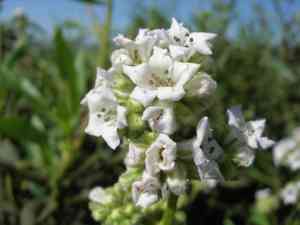
Eriodictyon trichocalyx, a adaptable perennial bush, flourishes in porous ground. Utilize semi-lignified cuttings obtained from vigorous, non-blooming stalks. Confirm that cuttings measure 4-6 inches in length and possess multiple leaves, then insert them into a damp rooting substrate. Sustain moisture levels to encourage root formation. This propagation technique produces sturdy specimens, ideally suited for their indigenous environments in California.
Optimal Period for Hairy Yerba Santa Propagation
Propagation Method
Cutting
Propagation Period
Spring,Summer
Tools Required for Hairy Yerba Santa Propagation
Pruning Shears
Utilized for obtaining cuttings from hairy yerba santa. Ensure sharpness and sterility for clean cuts and reduced infection risk.
Rooting Hormone
Applied to the severed ends of hairy yerba santa cuttings to stimulate root formation. Hormones enhance propagation success rates.
Propagation Trays
Used for planting and arranging hairy yerba santa cuttings. These trays offer a controlled environment for rooting.
Heat Mat
Supplies warmth from below to hairy yerba santa seeds or cuttings, fostering quicker root development, especially in cooler climates.
Humidity Dome
Placed over propagation trays to maintain elevated humidity levels around hairy yerba santa cuttings, preventing dehydration during rooting.
Misting Bottle
Employed to keep hairy yerba santa cuttings damp without over-saturating. Regular misting ensures leaves remain hydrated.
Sterile Substrate
A clean, well-draining medium such as perlite or vermiculite for planting hairy yerba santa cuttings. Minimizes rot risk and improves aeration.
Grow Lights
Provide sufficient illumination, particularly if natural light is inadequate. Ensures vigorous growth and prevents legginess in hairy yerba santa cuttings.
Labeling Stakes
Aids in tracking various batches of hairy yerba santa cuttings and their propagation stages. Crucial for organized monitoring.
Scalpel or Grafting Knife
For making precise incisions on hairy yerba santa cuttings. These instruments allow for smaller, cleaner cuts which can aid in rooting success.
How to Propagate Hairy Yerba Santa?
Propagation Difficulty
Moderately Difficult
Caring for Your Newly Propagated Hairy Yerba Santa
Caring for Your Newly Propagated Hairy Yerba Santa
Post-transplant, ensure hairy yerba santa is situated in a sunny spot with well-draining soil. Water consistently but allow the soil to dry between waterings to avert root rot. Apply mulch around the base to retain moisture and inhibit weeds. Trim dead or damaged branches to encourage healthy growth. Monitor for any pest or disease issues and address them promptly.
Common Errors to Avoid When Propagating Hairy Yerba Santa
Overwatering
Excessive watering can lead to root rot, potentially killing the plant before it can establish.
Inadequate Drainage
Poorly draining soil can suffocate roots, causing decay and hindering successful propagation.
Incorrect Soil Blend
Using soil that is too rich in organic matter or retains too much moisture can impede root development and water absorption.
Insufficient Light
Lack of sunlight can result in weak, elongated growth and poor establishment of propagated cuttings.
Poor Sanitation Practices
Failing to sterilize tools and containers can introduce pathogens that may infect cuttings and prevent successful propagation.
Advice for Propagating Hairy Yerba Santa
Utilize Well-Draining Soil
Ensure the soil drains effectively to prevent waterlogging and root rot. A sandy or gritty mixture is ideal.
Maintain Moderate Watering
Water the plant moderately, ensuring the soil is moist but not saturated to promote healthy root development.
Provide Ample Light
Position the plant in an area with abundant indirect sunlight to encourage vigorous growth.
Sanitize Equipment
Use sterilized tools and clean containers to minimize the risk of introducing diseases to the cuttings.
Employ Rooting Hormone
Applying a rooting hormone can enhance the likelihood of successful root development in the cuttings.



