How to Propagate Desert yellow fleabane?
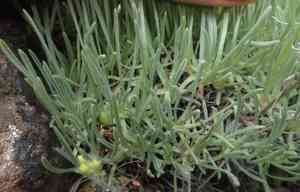
Desert yellow fleabane, a robust species within the Asteraceae family, flourishes when reproduced via cuttings. When harvesting cuttings, verify they are vigorous stems severed in the morning to preserve hydration. Submerge the severed tips into a rooting compound to encourage robust root development and embed them in a porous soil blend. Steady dampness and filtered sunlight will assist in the prosperous rooting of desert yellow fleabane.
Optimal Period for Desert Yellow Fleabane Propagation
Propagation Type
Cutting
Propagation Season
Spring,Summer
Tools Utilized for Desert Yellow Fleabane Propagation
Sharp pruning shears
Pruning shears are vital for obtaining healthy cuttings from desert yellow fleabane. They allow for clean cuts without harming the parent plant, which is key to preventing infection and ensuring the cutting's health. Sharp, well-maintained blades ensure plant tissues aren't crushed, promoting faster healing and rooting.
Rooting hormone
Rooting hormone, whether powder or gel, significantly boosts root development in desert yellow fleabane cuttings. Applying it to the fresh cut base stimulates quicker root growth, crucial for successful establishment. Its use increases propagation success by minimizing failures from poor root formation.
Sterilized pots
Employing sterilized pots for planting desert yellow fleabane cuttings prevents the introduction of pathogens that could harm young plants. Sterility ensures vulnerable cuttings get the best start without disease stress, which can greatly impact propagation success.
Well-draining growing medium
A well-draining growing medium, like a mix of peat, perlite, and sand, offers an ideal environment for desert yellow fleabane's root development. This medium prevents waterlogging and root rot, conditions that can kill new cuttings. It also improves root aeration, important for growth and health.
Plastic domes or covers
Creating a humid microenvironment benefits the initial rooting phase of desert yellow fleabane cuttings. Plastic domes or covers help maintain high humidity around cuttings, reducing water loss from leaves and stems and promoting successful rooting. Ensure ventilation to prevent mold.
Method for Propagating Desert Yellow Fleabane
Propagation Type
Easy
Post-Propagation Care for Desert Yellow Fleabane
Post-Propagation Care for Desert Yellow Fleabane
Once desert yellow fleabane cuttings have rooted and show new growth, gradually introduce them to less humid conditions by removing any plastic cover. Continue providing indirect sunlight and avoid overwatering, as its desert origin makes it prone to root rot with excess moisture. For optimal growth, move to a sunnier spot and apply a balanced, slow-release fertilizer during active growth to support strong development.
Common Errors to Avoid During Desert Yellow Fleabane Propagation
Overwatering
Excessive watering of desert yellow fleabane can lead to root rot, a condition detrimental to its survival, especially given its preference for well-drained soils. Too much moisture suffocates roots, hindering proper oxygen uptake.
Deep planting
Planting desert yellow fleabane seeds too deeply can impede germination, as they require light to sprout effectively. Sowing them too deep will obstruct their access to sufficient light.
Neglecting light requirements
Desert yellow fleabane thrives in full sun. Insufficient light can result in stunted growth and poor flowering, compromising the plant's overall vigor.
Advice for Propagating Desert Yellow Fleabane
Surface sowing
Sow desert yellow fleabane seeds on the soil surface or with only a very thin layer of soil covering them, as they need ample light for effective germination.
Well-drained soil
Utilize well-drained soil when planting desert yellow fleabane to prevent water retention around the roots, which could lead to fungal diseases and negatively impact the plant's growth.
Gradual acclimatization
When propagating desert yellow fleabane, slowly acclimate the plantlets to outdoor conditions to minimize shock. This preparation enhances their adaptability and survival rate when permanently moved outside.



